
Mold Removal in Arlington, TX
Arlington is one of the largest cities in DFW, and its housing stock spans nearly a century of construction — from early 20th-century homes near the historic core to mid-century neighborhoods east of downtown to newer developments on the city's outer edges. Across all of those eras, one constant remains: Texas humidity, aging infrastructure, and slab construction create conditions where mold can take hold faster than most homeowners realize. When it does, it rarely stays contained on its own. United Cleaning & Emergency Restoration provides mold remediation in Arlington, TX and across the greater DFW area. Our family-owned team has handled mold removal in Arlington homes of every age and construction type for more than 40 years. We respond fast, work thoroughly, and coordinate directly with your insurance company throughout the process. If you're dealing with mold — visible or suspected — call us now.
Emergency Mold Removal Services for Arlington Homeowners Since 1979
How fast can mold spread in Arlington homes?
In Arlington's climate, a mold colony can begin establishing on a damp surface within 24 to 48 hours of moisture exposure. Given that the city's summer temperatures rarely drop low enough to slow growth significantly, and that much of the housing stock includes older materials that absorb moisture readily, Arlington homes are particularly susceptible to rapid mold development after any water intrusion event. Once established inside a wall cavity or under flooring, a colony can double its coverage every few days under the right conditions.
Will homeowners insurance cover mold remediation in Texas?
It generally will, when the mold is linked to a covered underlying event. Mold that resulted from a burst pipe, hail damage to your roof, an appliance failure, or storm flooding is typically covered under the same claim as the original water damage. Mold from long-standing, known leaks that the homeowner didn't address is usually not covered. Thorough documentation from the moment we arrive is what protects your claim — and that documentation is a standard part of every job we complete.
Why Mold Is a Widespread Issue in Arlington, TX
Arlington's combination of aging infrastructure, expansive geography, and North Texas weather patterns creates more avenues for mold development than in many surrounding communities.
Homes in older Arlington neighborhoods — particularly those built in the 1950s and 1960s — contain original or near-original plumbing in various states of wear. Pinhole leaks in copper lines, corroded galvanized fittings, and slow drips at fixture connections keep wall interiors and subfloor spaces in a state of chronic low-level dampness. That kind of sustained moisture doesn't trigger a visible flood event — it just feeds mold growth steadily over weeks and months until someone opens a cabinet, pulls back flooring, or notices a smell that wasn't there before.
Arlington sits in an area with significant seasonal hail exposure. Hail damage that compromises roofing materials allows water to penetrate into attic spaces during every subsequent rain event. If that roof damage wasn't caught and properly repaired — or if the attic moisture from previous intrusions wasn't professionally dried — mold in the attic insulation and roof sheathing is a predictable result. Attic mold is among the most commonly under-diagnosed mold problems in Arlington homes because few homeowners inspect their attics regularly.
The Trinity River corridor and its tributaries run through portions of Arlington, and flood-prone areas near these waterways experience periodic high-water events that can push moisture into slab foundations and through lower floor levels. Post-flood mold is a direct consequence of inadequate or delayed drying following those events.
Clay soil movement — which causes slab foundations to shift seasonally as the soil expands and contracts — creates stress fractures in below-slab plumbing over time. A slab leak in an Arlington home provides a consistent source of moisture beneath flooring with no surface indicator until the damage is already extensive.
Common Signs of Mold in Arlington Homes
Mold in Arlington homes typically announces itself through one or more recognizable patterns.
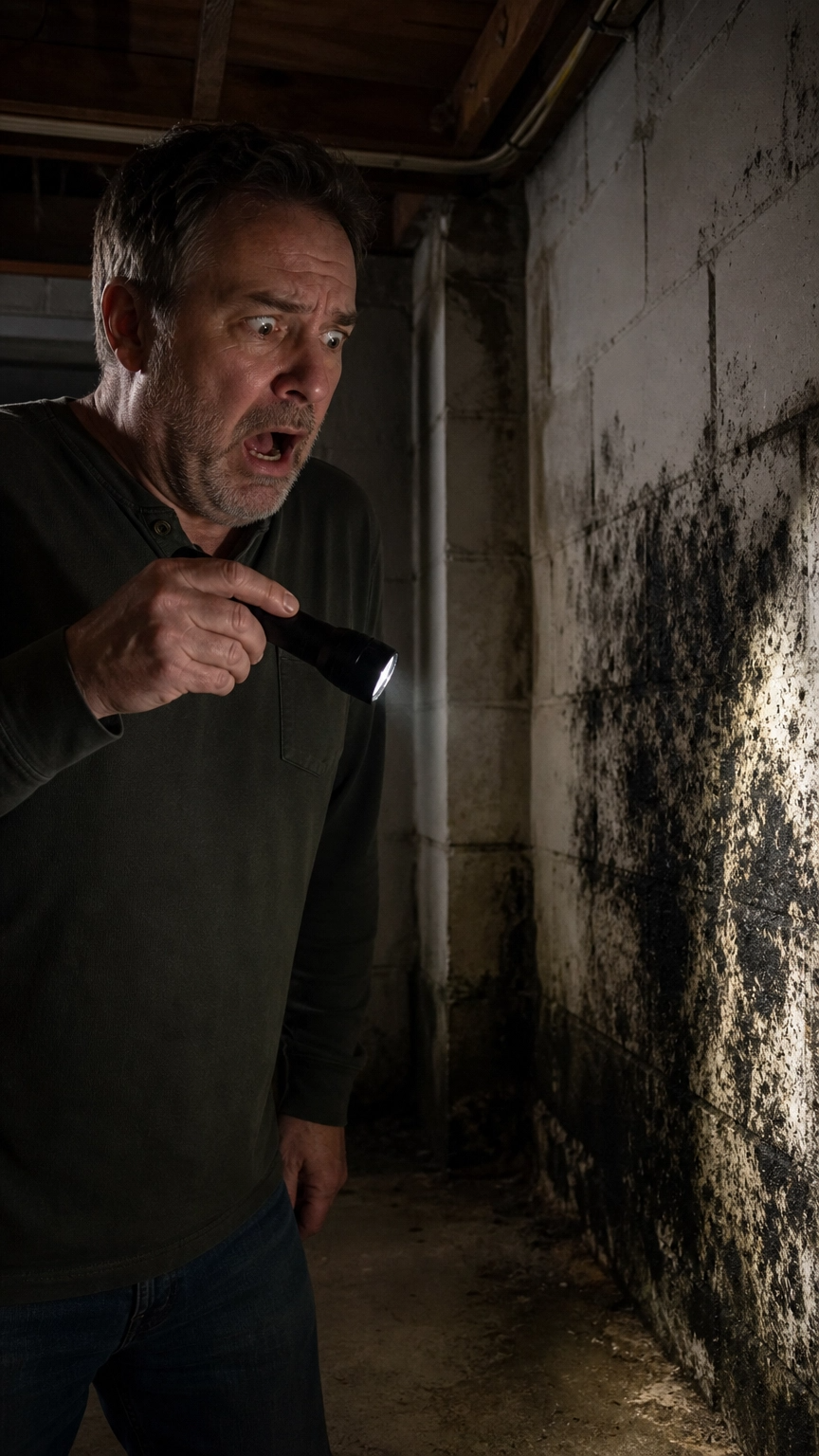
An earthy or musty odor that lingers in certain rooms regardless of cleaning — often stronger in bathrooms, closets, or rooms located above garages — is frequently the first sensory sign that mold is present nearby.
Dark staining on drywall or ceiling tile, particularly in corners or near HVAC registers, that reappears after painting or cleaning indicates an active moisture source feeding ongoing mold growth behind the surface.
Household members with unexplained respiratory irritation, persistent congestion, or worsening allergy symptoms who feel measurably better outside the home may be reacting to elevated indoor mold spore levels circulating through the HVAC system.
Warped baseboards, soft spots in drywall near floor level, bubbling paint at wall seams, and grout discoloration in shower surrounds all indicate sustained moisture in enclosed areas — exactly where mold develops unseen in Arlington homes.
Our Mold Remediation Process
Step 1 — Inspection and Assessment
We conduct a full visual inspection of your Arlington home, including attic spaces, below-sink areas, and any recently water-affected zones. Our goal is to understand the complete picture — not just where mold is visible, but where moisture is still active and where additional growth is likely.
Step 2 — Professional Containment
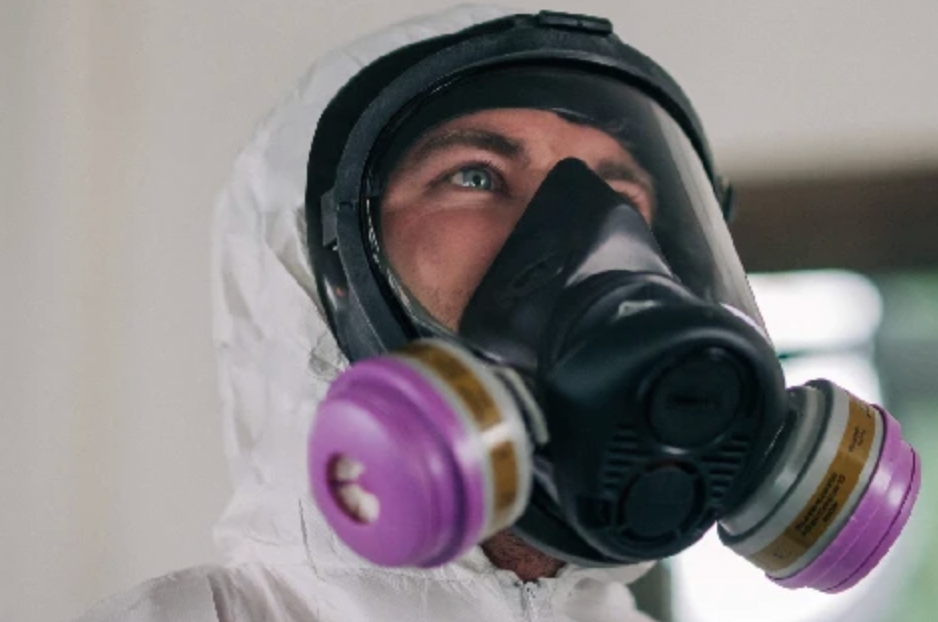
Containment is established using negative air pressure and physical barriers before any remediation work begins. This step prevents spores from becoming airborne in unaffected areas of your home during the removal process.
Step 3 — Moisture Detection & Source Correction
Thermal imaging and moisture meters identify every active moisture contributor — from slow pipe drips to inadequate attic ventilation to ongoing slab moisture migration. We address the source, because treating mold without fixing the cause is not remediation.
Step 4 — HEPA Air Filtration
Commercial-grade HEPA air scrubbers run continuously in the work area throughout remediation, capturing spores from the air before they can settle in clean areas of the home. HEPA vacuuming removes visible surface colonies prior to chemical treatment.
Step 5 — Antimicrobial Treatment & Removal
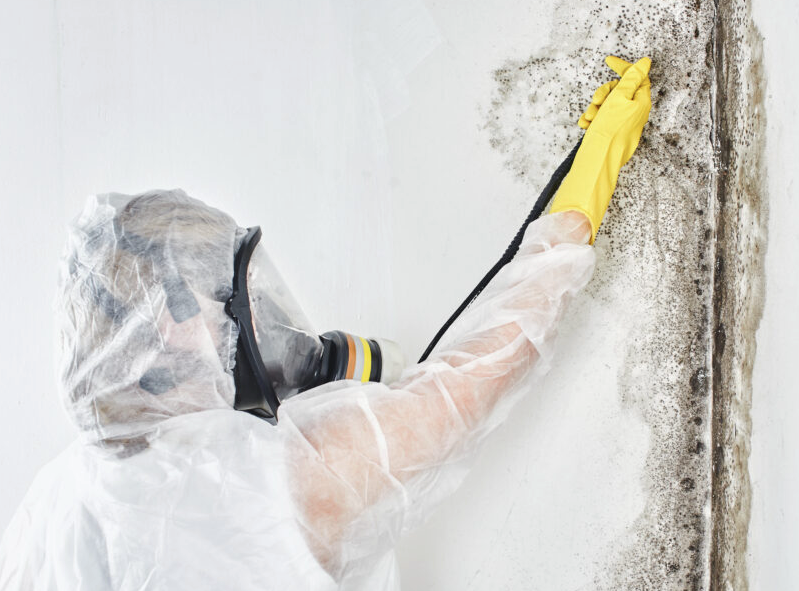
EPA-approved antimicrobial solutions are applied across all affected surfaces. Materials that are too saturated or structurally compromised to treat are removed and disposed of safely.
Step 6 — Structural Reconstruction
With mold cleared and moisture sources resolved, we rebuild — replacing drywall, flooring, insulation, and any other structural materials affected during remediation.
Step 7 — Insurance Coordination & Documentation
Complete photographic and written documentation is compiled throughout the job and submitted to your insurance carrier. We communicate directly with adjusters and handle the billing coordination from start to finish.
Why Arlington Locals Choose United Cleaning & Emergency Restoration
- Family-owned by the Larriviere family since 1979 — over four decades of DFW restoration
- IICRC-certified team with extensive experience in Arlington's diverse housing stock
- 40+ years of active residential mold and water damage restoration work
- Direct insurance billing and adjuster coordination on every mold remediation job
- 80+ five-star Google reviews from real Arlington-area and DFW homeowners
- Non-toxic, EPA-registered antimicrobial products safe for families and pets
- Full moisture source elimination — not just surface-level treatment
- Clear communication, realistic timelines, and no inflated scopes
A Message From the Company
"Arlington is a city I know well after more than 40 years in this business. The older neighborhoods near downtown, the mid-century slab homes spread across the middle of the city, the newer construction on the edges — each part of Arlington has its own profile when it comes to water and mold risk.
What they all have in common is that when mold is discovered, homeowners want two things: to know their family is safe, and to know the problem is going to be handled right. That's our commitment on every job — honest assessment, thorough remediation, and a finished product that gives you confidence the problem is actually solved.
Call us when you're ready."
— United Cleaning & Emergency Restoration
Providing Mold Remediation to Arlington, TX and Beyond
United Cleaning & Emergency Restoration provides mold inspection and remediation throughout Arlington and the surrounding DFW communities of Grand Prairie, Mansfield, Fort Worth, and across Tarrant and Dallas Counties.
If water damage in your Arlington home preceded the mold growth — or if you're unsure whether water damage is still present beneath the surface — visit our Water Damage Restoration in Arlington, TX page to understand how we approach the full scope of moisture-related damage from initial intrusion through final rebuild.
Frequently Asked QuestionS About Mold Removal
What should I do the moment I discover mold in my home?
Don't touch it, scrub it, or try to clean it with household products. Disturbing mold without proper containment spreads spores throughout your living space and can make the problem significantly harder to address. Close off the room, reduce airflow through the HVAC if you can, and call a certified professional to assess and contain the situation properly.
How long does the mold testing and removal process take?
Most mold remediation jobs in Arlington homes take two to five days from inspection through final treatment. Jobs requiring significant structural removal — drywall, subfloor, or insulation — and subsequent reconstruction can extend to one to two weeks. We give you an accurate timeline based on the actual scope, not the worst-case estimate.
Are your remediation products safe for children and pets?
Yes. All products we use are EPA-registered for residential use and are applied by trained technicians following proper handling protocols. Some areas may require limited access during active treatment, but we'll explain clearly what's needed and for how long.
Can mold grow back after professional remediation?
Not if the moisture source is corrected. Mold that returns following remediation always traces back to an unresolved moisture problem — a pipe that wasn't repaired, an AC drain that re-clogged, or a ventilation issue that was overlooked. Our process prioritizes moisture source elimination precisely to prevent recurrence.
Should we leave the house during mold remediation?
For most contained situations, no — our containment protocols protect unaffected areas of your home throughout the process. For jobs involving extensive demolition, widespread spore counts, or contaminated materials, temporary relocation may be the safer choice. We'll give you a direct, honest recommendation based on the scope of work.
Don't Let Mold Define Your Arlington Home — Call United Now
Mold doesn't plateau and wait for you to get around to it. In Arlington's warm, humid climate, an untreated mold colony expands its footprint as long as moisture is present — and that means every week of delay is a larger remediation scope and a higher cost.
United Cleaning & Emergency Restoration is available 24 hours a day. We've served Arlington homeowners for more than 40 years, and we approach every mold remediation job with the same commitment: find it all, fix the source, treat it thoroughly, and document everything.
United Cleaning & Emergency Restoration
24/7 Mold Remediation — Arlington, TX and Greater DFW — Family-Owned Since 1979
Contact Us for Mold Removal Services in Arlington!
Contact Us
We will get back to you as soon as possible.
Please try again later.