Blog

March 20, 2026
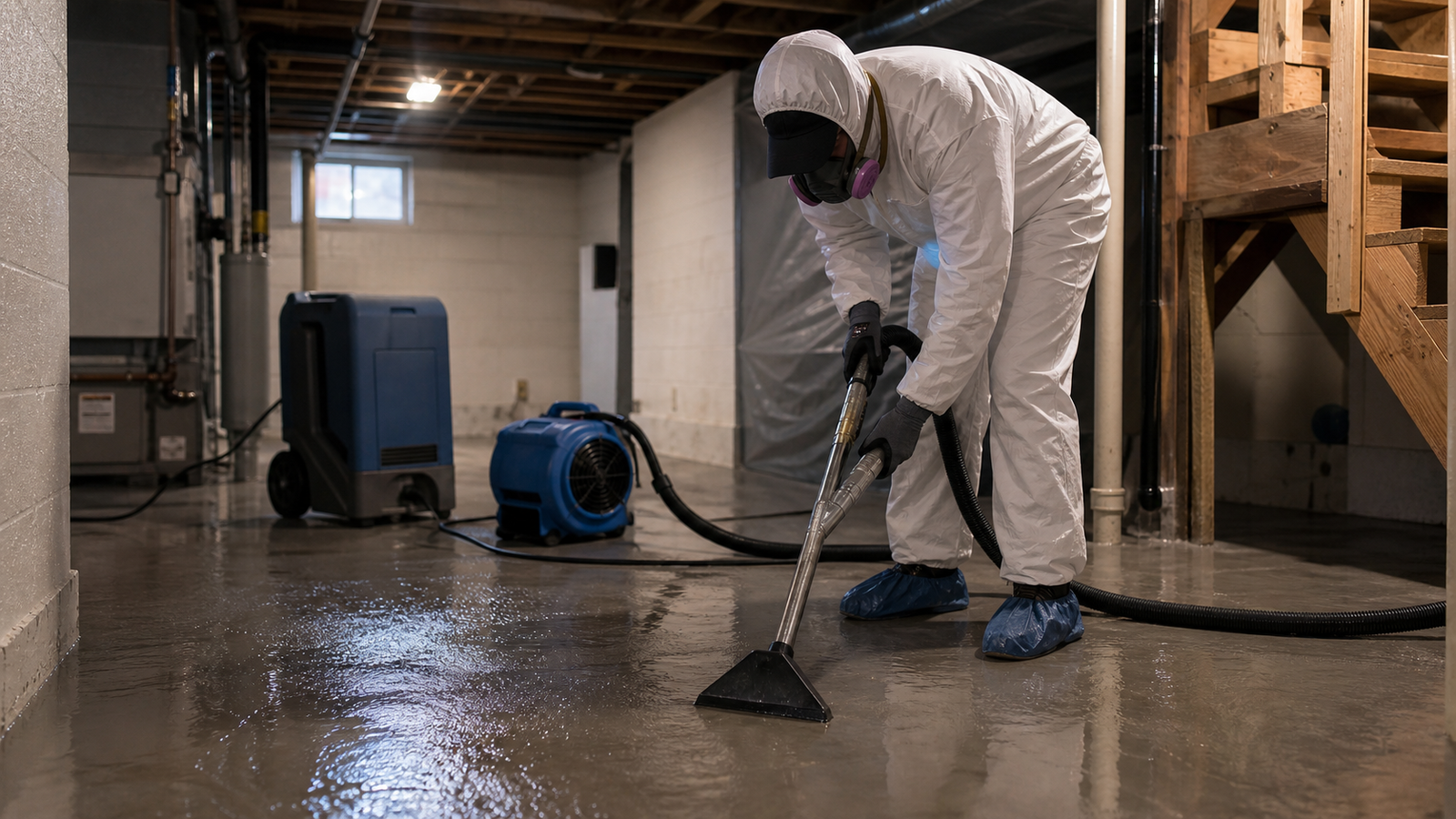
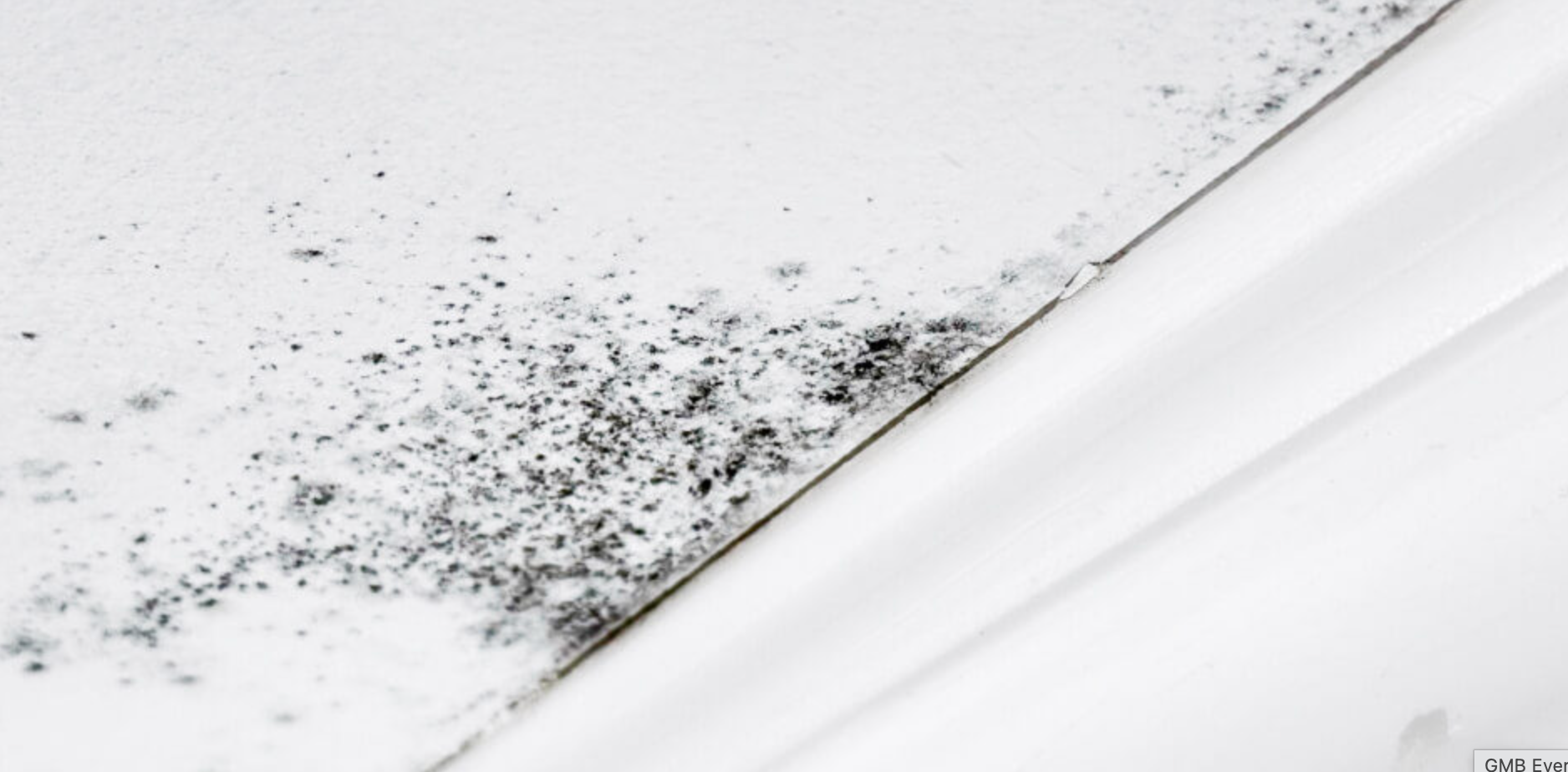
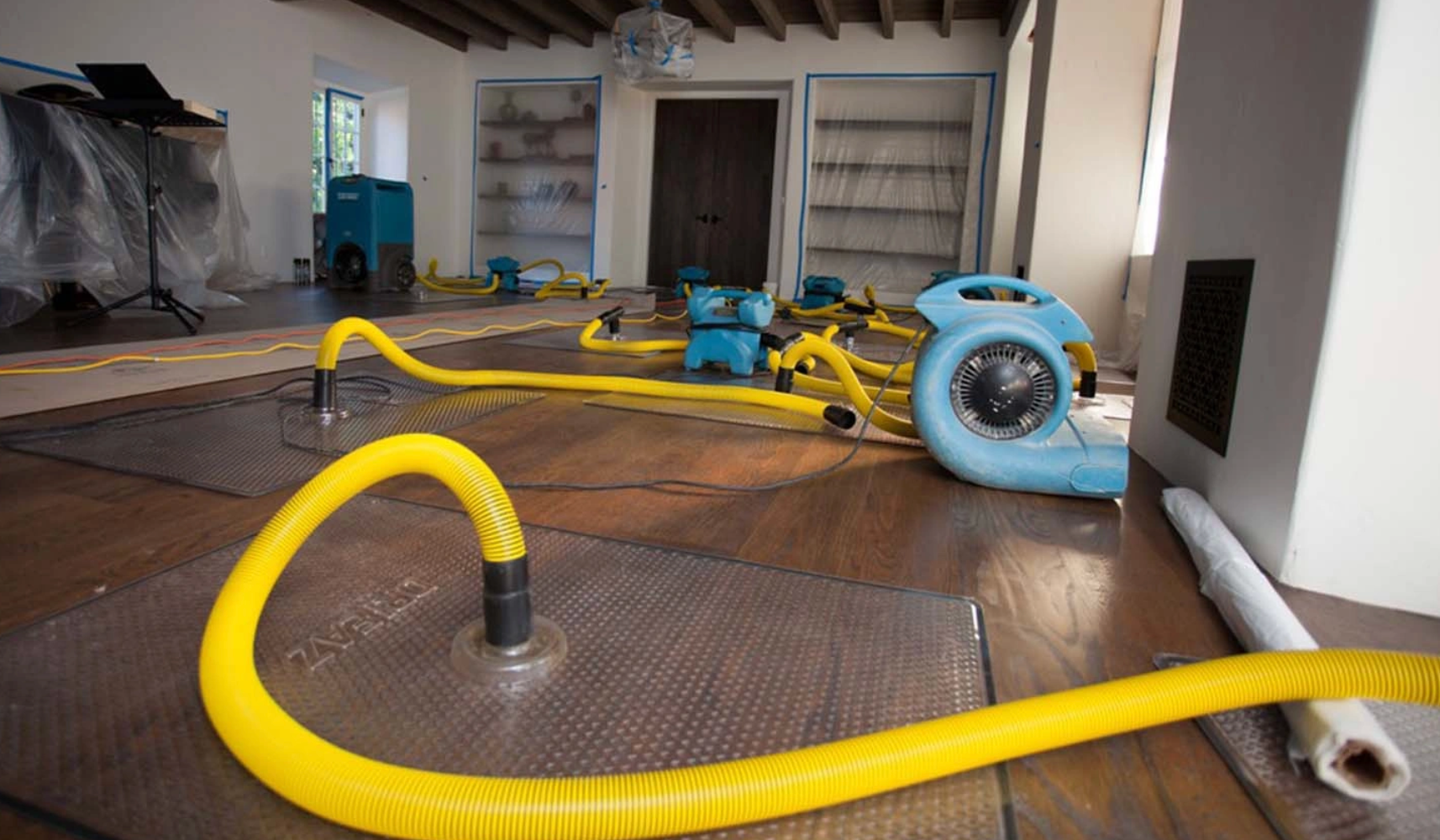
Basement flooding is one of the most stressful and expensive problems homeowners face in the Dallas–Fort Worth area. While some floods are obvious—standing water, soaked belongings—many start quietly and worsen over time before homeowners realize there’s a serious issue. In North Texas, a mix of heavy storms, clay soil, aging plumbing, and slab foundations makes basement and lower-level flooding more common than many people expect. What starts as minor moisture can quickly lead to structural damage, mold growth, and insurance complications if not addressed early. This guide is written by United Clean & Emergency Restoration, a family-owned restoration company based in Hurst with over 30 years of experience helping homeowners throughout the Dallas–Fort Worth area respond to flooding, leaks, and water-related emergencies. 1. Musty Odors That Don’t Go Away A persistent damp or musty smell is often the first indicator of hidden moisture in a basement or lower level. In DFW homes, water can seep through foundation walls or slab penetrations and evaporate slowly, leaving odors long before visible water appears. These smells are common in: Finished basements Utility rooms Storage areas near exterior walls Ignoring odors often allows moisture to linger long enough for mold to develop behind walls or under flooring. 2. Damp or Stained Walls Near the Foundation Water intrusion frequently shows up as discoloration, bubbling paint, or damp drywall along basement walls. In North Texas, expansive clay soil expands when saturated, pushing moisture through small foundation cracks. This is especially common after: Heavy rainstorms Rapid temperature changes Prolonged wet seasons Even minor staining can indicate ongoing water pressure against the foundation. 3. Warped or Buckling Flooring Basement flooring—especially laminate, engineered wood, or vinyl—can warp when exposed to moisture from below. Flooding doesn’t always mean standing water; prolonged humidity trapped beneath flooring can cause damage over time. If floors feel uneven or begin separating at the seams, moisture intrusion is likely already advanced. 4. Efflorescence on Concrete or Masonry Efflorescence appears as a white, chalky residue on concrete walls or floors. It forms when water moves through masonry and leaves mineral deposits behind as it evaporates. While it may seem cosmetic, efflorescence is a strong sign that water is actively moving through the foundation—often during storms common in the DFW area. 5. Pooling Water After Heavy Rain Some basements only flood during major storms. Water may pool near: Floor drains Sump pits Foundation corners In many DFW homes, overwhelmed drainage systems or improper grading cause water to enter faster than it can exit. 6. Rusting Appliances or Metal Fixtures Water heaters, HVAC components, shelving, and support posts in basements may begin rusting due to prolonged moisture exposure—even without visible flooding. Rust indicates elevated humidity levels that can lead to: Equipment failure Electrical hazards Hidden structural damage 7. Mold Growth in Corners or Hidden Areas Mold often develops in areas homeowners rarely check, such as behind storage boxes or under stairs. Basements are especially vulnerable due to limited airflow and cooler temperatures. If mold is visible, moisture has likely been present for days or weeks—requiring professional assessment. Why Basement Flooding Is So Common in DFW Basement flooding occurs more frequently in North Texas due to a combination of environmental and structural factors: Expansive clay soil that shifts and cracks foundations Sudden, heavy rainstorms that overwhelm drainage systems Aging plumbing infrastructure in older neighborhoods Slab-on-grade foundations with limited natural drainage Poor yard grading directing water toward the home Seasonal storms and flash flooding events across DFW significantly increase the risk, especially in low-lying areas. Why Acting Quickly Matters Time is one of the most critical factors in basement flooding situations. Within hours: Water begins seeping into porous materials 24–48 hours: Mold risk increases dramatically 3–5 days: Structural materials may start to deteriorate 1+ week: Insurance claims become more complicated Delaying response often turns a manageable issue into a major restoration project. What Homeowners Should Do Immediately Stop the water source if safe (shut off water supply if plumbing-related) Avoid electrical hazards in wet areas Document damage with photos and videos Remove valuables from affected areas if possible Notify your insurance provider Call a professional restoration company for assessment For confirmed flooding, professional water extraction and drying are essential. Reach out to United Cleaning & Emergency Restoration for their water damage services today! When to Call a Professional DIY solutions are rarely sufficient when: Water has been present longer than 24 hours Flooding involves sewage or contaminated water Moisture has reached walls, insulation, or subfloors Mold is suspected Structural materials are saturated Professionals use: Moisture meters Thermal imaging cameras Commercial drying and dehumidification equipment These tools identify hidden damage that homeowners can’t see. Basement Flooding Cost Expectations in DFW Costs vary based on severity and response time: Minor flooding: Limited water removal and drying Moderate flooding: Water extraction, drying, material removal Severe flooding: Structural drying, mold remediation , reconstruction Insurance may cover sudden water damage but often excludes long-term seepage. Proper documentation and fast action improve claim outcomes. Why Homeowners Trust United Clean & Emergency Restoration Homeowners across DFW choose United Clean & Emergency Restoration because of: Over 30 years of local restoration experience Family-owned, community-focused service 24/7 emergency response Full-service water, mold, and fire restoration Insurance documentation and claims support Their team understands DFW homes, soil conditions, and storm risks. Frequently Asked Questions Can basement flooding cause mold even if water is removed quickly? Yes. Moisture trapped in walls or flooring can lead to mold within 24–48 hours. Is basement flooding covered by homeowners insurance? Coverage depends on the cause. Sudden events are often covered; long-term seepage usually is not. How long does basement drying take? Typically 3–5 days with professional equipment, depending on saturation levels. Can slab leaks cause basement flooding? Yes. Slab leaks are a common cause of hidden water damage in North Texas homes. Should I stay out of a flooded basement? Yes, especially if electrical systems or contaminated water are involved. Get Help for Basement Flooding in Hurst & DFW Basement flooding doesn’t resolve on its own—and delaying action often leads to bigger problems. If your home in Hurst, Fort Worth, Dallas, or anywhere in the DFW area shows signs of flooding or moisture intrusion, professional assessment is critical. United Clean & Emergency Restoration is available 24/7 to inspect, mitigate, and restore water damage before it escalates. Contact us today for an inspection or emergency response.