
Mold Removal in Bedford, TX
Mold doesn't announce itself. It grows in the dark — behind drywall, inside wall cavities, beneath bathroom tile, and above ceiling panels — long before anyone in the house notices a smell or sees a stain. By the time there are visible signs, the colony has usually been spreading for weeks. In Bedford's warm, humid climate, that window from first growth to serious structural and health impact is short. United Cleaning & Emergency Restoration provides mold remediation in Bedford, TX and across the Mid-Cities area backed by more than 40 years of local restoration experience. Our IICRC-certified team contains the problem fast, eliminates the source, and treats every affected area thoroughly — all with direct insurance coordination from start to finish. If you've spotted mold or suspect it's growing somewhere in your home, call us now. Early action is always the right move.
Emergency Mold Removal Services for Bedford Homeowners Since 1979
How fast can mold spread in Bedford homes?
Faster than most people expect. In the right conditions — moisture, warmth, and an organic surface — mold colonies can begin establishing within 24 to 48 hours of a water event. Bedford's high seasonal humidity means those conditions are rarely far off. A leak that goes unaddressed for a week in a wall cavity or attic space can produce a mold problem that takes significantly more effort to remediate than if it had been caught and treated early.
Will homeowners insurance cover mold remediation in Texas?
Often yes — but it depends on the underlying cause. If mold developed as a result of a covered water damage event (a burst pipe, storm intrusion, or appliance failure), most standard Texas homeowners policies will include mold remediation as part of that claim. Mold that developed from a slow, unaddressed leak that the homeowner knew about is typically excluded. We document the source and scope of every mold job thoroughly, which is what a well-organized insurance claim requires.
Why Mold Develops in Bedford, TX Homes
Bedford sits in the heart of the Mid-Cities corridor, and the combination of North Texas humidity and the city's housing stock creates consistent mold risk for homeowners throughout the year.
Seasonal humidity is the foundation of the problem. Spring and early summer in Tarrant County bring extended periods of elevated moisture in the air. When that outdoor humidity finds its way into attic spaces, wall cavities, and crawlspaces with limited airflow, condensation builds on cooler surfaces — and that condensation creates the moisture that mold needs to establish.
Many homes in Bedford were built in the 1970s and 1980s, and those structures carry specific vulnerability points. AC drain lines in older systems are a major source of hidden moisture. When a condensate line clogs — which happens regularly in systems that run nearly year-round in Texas — water backs up and overflows into attic insulation, ceiling framing, and wall structure. By the time a stain appears on the ceiling below, mold has often already established inside the assembly above.
Slab foundations with aging plumbing create another pathway. Pinhole leaks inside walls and slow drips beneath bathroom fixtures keep moisture levels elevated in enclosed spaces for months at a time. That chronic low-level moisture is exactly the environment where mold spreads steadily without triggering an obvious flooding event that would prompt a homeowner to call for help.
Storm-related water intrusion — from hail-damaged roofing, compromised flashing, or flooding during heavy rain events — is a consistent trigger for mold growth in Bedford homes every spring and fall. If that initial water damage wasn't addressed and fully dried by a professional, mold remediation is often the next step.
Common Signs of Mold in Bedford Properties
Mold is often hidden, but it leaves clues. Watch for:
A musty, earthy odor in specific rooms, closets, or hallways — particularly after the AC has been running for a while. This is one of the earliest detectable signs that mold is present somewhere in the air system or nearby wall cavities.
Discoloration on drywall, baseboards, or ceiling corners — often appearing as dark gray, green, or black patches that didn't wash off when you cleaned them. Staining that returns after cleaning is a reliable sign that the underlying moisture source hasn't been addressed.
Respiratory irritation, persistent coughing, or allergy-like symptoms in household members that improve when they leave the house. Mold spores circulate through HVAC systems and can affect indoor air quality throughout the home even when the colony is in a contained area.
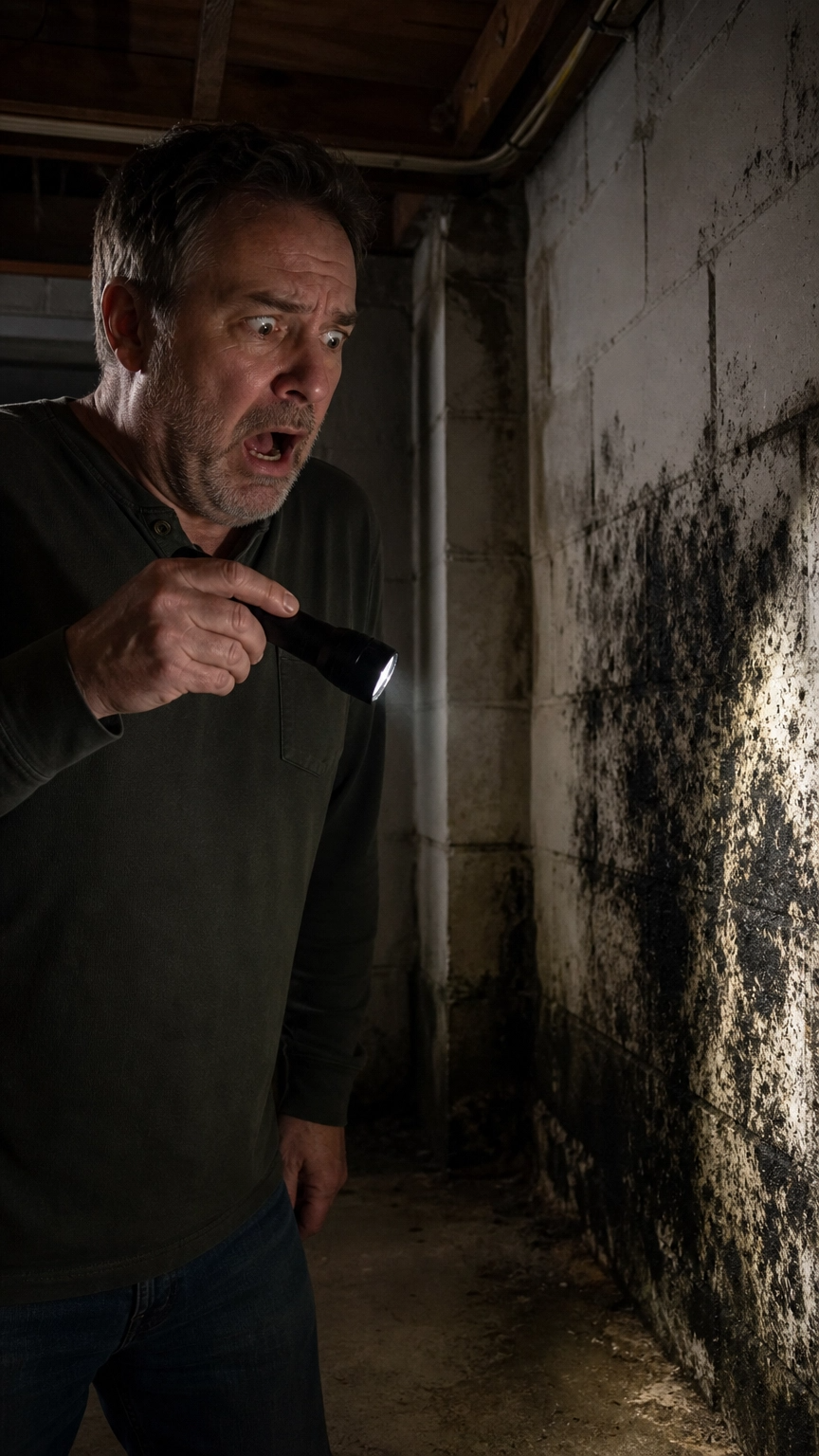
Hidden moisture behind showers, under bathroom sinks, and beneath kitchen cabinetry where small drips have gone unnoticed. These areas don't dry naturally and are among the most common locations for mold to establish in Bedford homes.
Our Mold Remediation Process
Step 1 — Visual Inspection and Assessment
We start with a thorough inspection of your home — including attic spaces, wall interiors, and under-sink areas — to identify where mold is present and where moisture is still active. You'll understand the full scope before any remediation begins.
Step 2 — Containment
We establish containment barriers using negative air pressure and physical partitioning to prevent mold spores from spreading to unaffected areas of your home during the remediation process. This is a critical step that many homeowners overlook when attempting DIY cleanup.
Step 3 — Moisture Detection & Source Elimination
Using thermal imaging and moisture meters, we locate every active moisture source contributing to mold growth — and we address the source, not just the symptom. Remediation without source elimination is temporary at best.
Step 4 — HEPA Air Filtration & Vacuuming
Commercial HEPA air scrubbers run continuously throughout the remediation to capture airborne spores. HEPA vacuuming removes surface colonies and spore deposits from structural materials before treatment.
Step 5 — Antimicrobial Treatment & Removal
EPA-registered antimicrobial solutions are applied to all affected surfaces. Materials that cannot be treated and cleared are safely removed and disposed of according to industry protocols.
Step 6 — Repairs and Reconstruction
Once remediation is confirmed complete, we rebuild — replacing drywall, insulation, flooring, and any other materials removed during the process. Your home is restored to pre-mold condition.
Step 7 — Insurance Documentation
We handle the full documentation package for your insurance claim and work directly with your adjuster throughout the process. You focus on your family; we handle the paperwork.
Why Bedford Locals Choose United Cleaning & Emergency Restoration
- Family-owned and operated by the Larriviere family since 1979 — local, accountable, and experienced
- IICRC-certified technicians who follow industry-standard remediation protocols on every job
- 40+ years of active damage restoration experience throughout the DFW Mid-Cities area
- Direct insurance coordination — we handle adjuster communication and billing support
- 80+ five-star Google reviews from real DFW-area homeowners
- Safe, EPA-registered, non-toxic remediation products that are effective for families and pets
- Thorough source elimination — we don't just treat the mold, we address why it was there
- Transparent scope and timeline from the first call forward
A Message From the Company
"Mold is one of those issues that homeowners often feel embarrassed about, like they should have caught it sooner. I want to be clear: mold happens in well-maintained homes. It happens in new homes. It happens whenever moisture finds a dark enclosed space, and in Texas, that's not an uncommon combination of circumstances.
What matters isn't that it happened — it's that it gets handled correctly. Our team treats every mold job with the same thoroughness whether it's a small bathroom colony or a significant attic infestation. We contain it, eliminate it, document it for your insurance, and make sure it doesn't come back.
Call us. We'll take it from there."
— United Cleaning & Emergency Restoration
Providing Mold Remediation to Bedford, TX and Surrounding Areas
United Cleaning & Emergency Restoration provides mold remediation throughout Bedford and the neighboring Mid-Cities communities of Hurst, Euless, and surrounding areas throughout Tarrant and Dallas Counties. Our team is local, our response is fast, and our knowledge of the housing stock and climate patterns in this part of DFW is firsthand.
Whether you need mold inspection in Bedford, water damage assessment in Hurst, or emergency restoration anywhere in the Mid-Cities corridor, we're available 24/7 and ready to help. You can also learn more about water damage restoration — the most common precursor to mold growth — on our Water Damage Restoration in Bedford, TX page.
Frequently Asked QuestionS About Mold Removal
What should I do if I spot mold in my home?
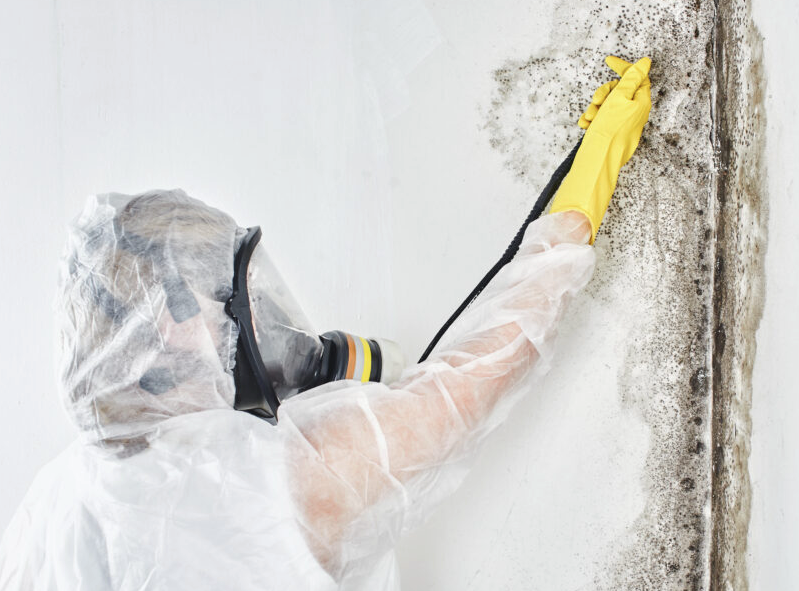
Don't disturb it. Attempting to scrub or clean visible mold without proper containment releases spores into the air and can spread the problem to other areas of your home. Keep the area closed off, reduce HVAC circulation to that room if possible, and call a certified remediation company. We'll assess it properly from the start.
How long does the mold testing and removal process take?
Most residential mold remediation jobs in Bedford take two to five days from initial inspection through clearance testing. Jobs requiring significant structural removal and reconstruction may extend to one to two weeks depending on scope. We'll give you a realistic timeline after the initial assessment.
Are the products you use safe for my family and pets?
Yes. We use EPA-registered antimicrobial treatments that are approved for residential use and safe for occupied homes when applied correctly. We'll let you know if any specific areas need to remain off-limits temporarily during the process.
Can mold come back after treatment?
Not if the moisture source is properly eliminated. Mold that returns after remediation is almost always the result of an unresolved moisture problem — a leak that wasn't repaired, a drain line that re-clogs, or an attic ventilation issue that wasn't addressed. Our process identifies and eliminates moisture sources as a standard step, not an afterthought.
Should we stay in the home while mold is being removed?
In most cases, yes — particularly for smaller, contained mold situations. Our containment procedures prevent spore spread to unaffected living areas during remediation. For larger-scale jobs involving extensive demolition or significant airborne spore counts, temporary relocation may be advisable. We'll give you an honest recommendation based on what we find.
Mold in Your Bedford Home Needs Professional Attention Now
Mold doesn't slow down on its own. It continues growing as long as a moisture source is present — and in a Bedford home, the conditions that support mold growth are present much of the year. Waiting means a larger affected area, more materials to remove, and a higher cost to restore your home.
United Cleaning & Emergency Restoration is available 24 hours a day, every day. We've served Bedford and the Mid-Cities area for more than 40 years, and we bring the same professional standard to every mold remediation job we take on.
Call us now. We'll answer and we'll be there.
United Cleaning & Emergency Restoration
24/7 Mold Remediation — Bedford, TX and All of DFW — Family-Owned Since 1979

Contact Us for Mold Removal Services in Bedford!
Contact Us
We will get back to you as soon as possible.
Please try again later.