
Mold Removal in Fort Worth, TX
If you've found mold in your Fort Worth home, the clock is already running. Mold spreads fast — especially in North Texas's warm, humid climate — and what looks like a small patch on drywall is often the visible edge of a much larger problem behind the wall. United Cleaning & Emergency Restoration has been handling mold remediation across Fort Worth and Tarrant County since 1979. We're IICRC-certified, available 24/7, and we work directly with your insurance company so you're not managing this alone.
Mold Removal in Fort Worth, TX — What You're Actually Dealing With
Fort Worth's climate is one of the biggest reasons mold thrives here. Long, hot summers push humidity into attics and crawl spaces. Severe thunderstorms flood garages and seep under slab foundations. Flash flooding along the Trinity River corridor and low-lying neighborhoods throughout Tarrant County leaves moisture trapped inside walls for days before anyone notices. HVAC drain lines back up and quietly saturate insulation for weeks. Slab leaks — extremely common in Fort Worth due to the expansive clay soils that shift with every dry spell and rain cycle — allow water to wick up through flooring and into wall cavities without a single visible sign on the surface.
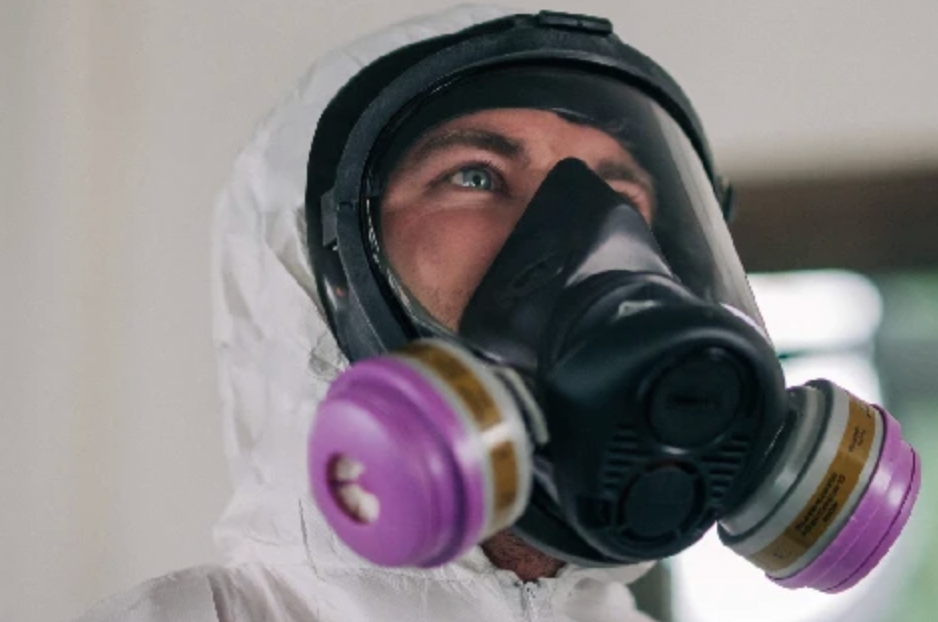
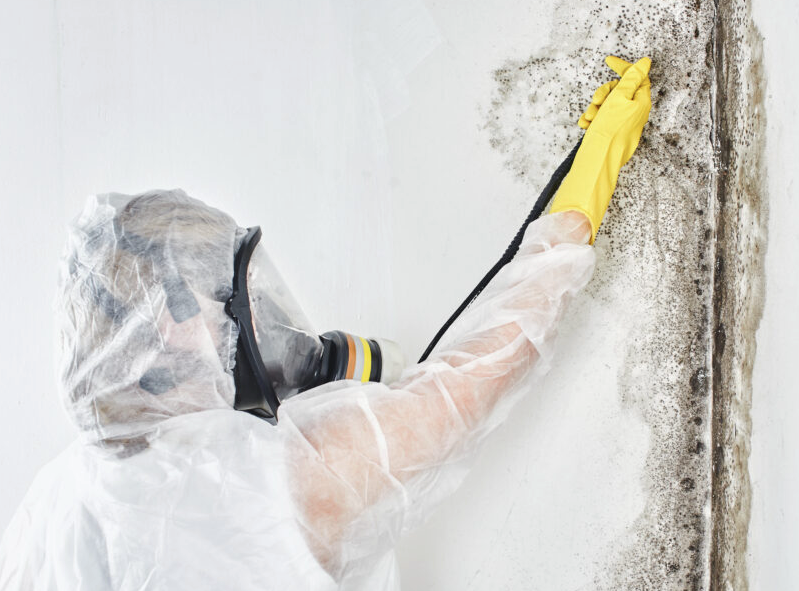
By the time you smell it or see it, the mold colony is usually well established. That discoloration near a window, the musty smell in a closet, the bubbling paint in a bathroom — those are symptoms. The source is almost always a moisture problem that hasn't been fully dried out. That's what we fix first. Treating mold without eliminating the moisture source is like painting over rust. It comes back.
Our Fort Worth Mold Remediation Process
Step 1 — Inspection & Moisture Mapping
We don't just look at what's visible. We use thermal imaging cameras and calibrated moisture meters to map water intrusion behind walls, under flooring, and in ceiling cavities. In Fort Worth homes — particularly older construction in areas like Poly, Meadowbrook, or Stop Six — moisture often migrates farther than expected due to slab-on-grade construction. We identify the source, document the affected area, and give you a clear picture of what you're dealing with before any work begins.
Step 2 — Containment
Before we remove anything, we isolate the work area using physical containment barriers and negative air pressure. This keeps mold spores from becoming airborne and spreading to unaffected parts of your home during the remediation process. HEPA air scrubbers run continuously throughout this phase. If you have family members with respiratory sensitivities, this step is what protects them while work is underway.
Step 3 — Removal & Treatment
Affected materials — drywall, insulation, subfloor, framing — are removed and properly disposed of following IICRC S520 protocols. We don't spray over mold and call it done. Contaminated porous materials come out. Structural surfaces that can be cleaned are treated with EPA-registered antimicrobial agents and dried to confirmed moisture content levels. Every step is documented with photos for your insurance claim and for your own records.
Step 4 — Drying, Restoration, & Clearance Testing
Once mold is removed, we bring in commercial drying equipment to get the structure to proper moisture levels before any reconstruction begins. Rebuilding over elevated moisture is one of the most common mistakes homeowners make when they hire a general contractor who doesn't understand restoration. We handle the drying, coordinate the rebuild, and can arrange post-remediation clearance testing to confirm the space is clean — giving you documented proof the job was done right.
Why Fort Worth Homeowners Have Called Us Since 1979
45+ Years of Restoration Experience in This Market
We've been working in Fort Worth and Tarrant County since 1979. We know how homes here are built, how the clay soil affects foundations and plumbing, and how quickly mold escalates after a North Texas storm season. That's not something you get from a franchise that opened three years ago.
IICRC-Certified Remediation Technicians
IICRC certification in mold remediation isn't optional for us — it's the baseline. The IICRC S520 standard governs every step of how we work, from containment to clearance. You can verify our certification. That matters when your insurance adjuster is reviewing the scope of work or when you're selling the home and the buyer's inspector asks questions.
We Handle the Insurance Process With You
As members of both the Greater Fort Worth Association of Realtors and the Arlington Board of Realtors, we work alongside real estate professionals, adjusters, and property managers regularly. We document everything in the format adjusters need, communicate directly with your carrier when you want us to, and make sure the scope of work reflects the actual damage — not a lowball estimate. You focus on your family. We handle the paperwork.
BBB Accredited and Locally Rooted
We're accredited by the Better Business Bureau and active members of the HEB Chamber of Commerce. These aren't vanity credentials — they reflect 45 years of accountability to this community. When something goes wrong in a Fort Worth home at 2 a.m. after a severe storm, we pick up the phone. That's what neighbors do.
Serving Fort Worth & Surrounding Tarrant County
Our primary service area covers Fort Worth and the surrounding communities of Hurst, Arlington, Bedford, Colleyville, Euless, Haltom City, North Richland Hills, and Watauga. Whether you're dealing with mold in a 1960s ranch home near TCU, a newer build in the Alliance corridor, or a commercial property along Camp Bowie, we can typically be on-site within hours of your call. We understand the neighborhoods, the construction eras, and the specific water intrusion risks that come with each part of the Metroplex. If you're not sure whether you're in our coverage area, just call — we'll tell you straight.
Mold Isn't a Wait-and-See Problem — Call United Cleaning & Emergency Restoration Now
Every day mold is left untreated, it grows into more wall cavity, more subfloor, more square footage — and more of your claim cost. If you've spotted mold, smell something musty you can't locate, or just had a water event and want it checked out, call us now. United Cleaning & Emergency Restoration is available 24 hours a day, 7 days a week. Reach us at (817) 268-6531. We'll give you a straight answer about what you're dealing with and what it takes to fix it right.
Frequently Asked QuestionS About Mold Removal
What should I do when I find mold in my Fort Worth home?
Don't attempt to clean it with household products. In an older Fort Worth home especially, disturbing mold without professional containment can release large volumes of spores into original wood structure and plaster walls that are difficult to fully treat after the fact. Keep the affected area closed off and call us before doing anything else.
How long does mold remediation take in a Fort Worth home?
Most residential jobs run two to five days from inspection through clearance. Larger jobs in historic homes — where original materials require more careful assessment and matching — or jobs involving significant structural removal and reconstruction can take one to three weeks. We'll give you an accurate estimate based on the actual scope we find at inspection.
Are your remediation products safe for my family and pets?
Yes. EPA-registered antimicrobial agents are approved for residential use and are safe for families and pets when applied by trained professionals following proper protocols. We'll explain any temporary area restrictions at the start of the job.
Can mold come back after treatment?
Only if the moisture source is not corrected. Fort Worth's clay soil, aging plumbing, and storm exposure all create ongoing moisture risk — but if we've identified and corrected the specific sources contributing to the mold, recurrence in that area is not expected. Our process makes source correction a standard step, not an optional one.
Should we leave our home during mold remediation?
For most contained mold situations, no — our containment protocols protect unaffected living areas. For jobs involving widespread colonization, significant demolition in central living areas, or elevated airborne spore counts throughout the home, temporary relocation during the active remediation phase may be advisable. We'll give you an honest recommendation after the assessment.
Contact Us for Mold Removal Services in Fort Worth!
Contact Us
We will get back to you as soon as possible.
Please try again later.