
Mold Removal in North Richland Hills, TX
If you've found mold in your North Richland Hills home, you need it gone — completely, not just wiped down. United Cleaning & Emergency Restoration has been handling mold removal across Tarrant County since 1979. We inspect, contain, remediate, and document everything your insurance adjuster needs. IICRC-certified. BBB accredited. Available 24/7. Call (817) 268-6531 and we can have someone out to you the same day.
Mold Removal in North Richland Hills: What You're Probably Dealing With
Most mold calls we get from North Richland Hills trace back to one of three things: a slab leak that went undetected for weeks, an AC drain line that backed up and soaked the ceiling or wall cavity, or a roof leak that turned the attic into a petri dish over a humid Texas summer. Older post-1980s homes in neighborhoods like Home Town and Iron Horse are especially prone to this — the construction era, the slab-on-grade foundations, and the clay-heavy soils underneath all work against you.
Clay soil expands and contracts with moisture. That movement shifts foundations, opens gaps in slab seams, and lets groundwater wick in beneath flooring and behind baseboards. By the time you see a stain or smell something musty, mold has typically been growing for days or weeks inside the wall. That's not a surface cleaning problem — that's a remediation job. We also see a lot of HVAC condensation mold in North Richland Hills. Attic-mounted air handlers with clogged drain pans, poorly ventilated bathrooms where exhaust fans blow into the attic instead of outside — these are recurring issues we know how to find because we've been working in these homes for over four decades. If you've had any recent water damage in North Richland Hills, mold testing should be your next call.
Why Mold Is Such a Common Issue in North Richland Hills, TX
NRH's combination of storm frequency, slab construction, and housing age creates one of the more consistent mold risk profiles in Tarrant County.
Storm-driven water intrusion is the leading trigger. North Richland Hills is positioned in a part of Tarrant County that receives strong spring and fall storm systems with regularity. Hail damages shingles on roofs that have been through years of previous storm cycles. Wind-driven rain finds gaps in flashing, ridge vents, and soffit areas that weren't there a season ago. When that water enters the attic and isn't addressed quickly, it saturates insulation and moves into ceiling framing — creating exactly the conditions where mold can establish without any visible surface sign in the living space below.
Aging plumbing across many of NRH's established neighborhoods feeds chronic moisture problems. Homes built in the 1960s, 1970s, and 1980s often contain original galvanized supply lines that have been corroding from the inside for decades. These pipes don't announce failure dramatically — they develop pinhole leaks, weeping joints, and slow drips that keep interior wall spaces in a constant state of elevated moisture. That sustained dampness in an enclosed space is exactly what mold needs to grow steadily and silently.
AC drain line overflows are a consistent source of mold calls throughout the summer in NRH. Condensate drain lines in systems that run from May through September are exposed to algae growth, debris accumulation, and eventual blockage. The backup floods into attic insulation or through interior walls without triggering any obvious alarm — until a ceiling stain appears or a soft spot develops in drywall, by which point mold has often been active for some time.
Common Signs of Mold in North Richland Hills Homes
NRH homeowners should watch for these indicators, particularly in the weeks following a significant storm or during and after the summer AC season.
A musty smell in rooms that have experienced ceiling stains or water damage — even if those stains were painted over without professional drying — often signals active mold growth in the assembly above.
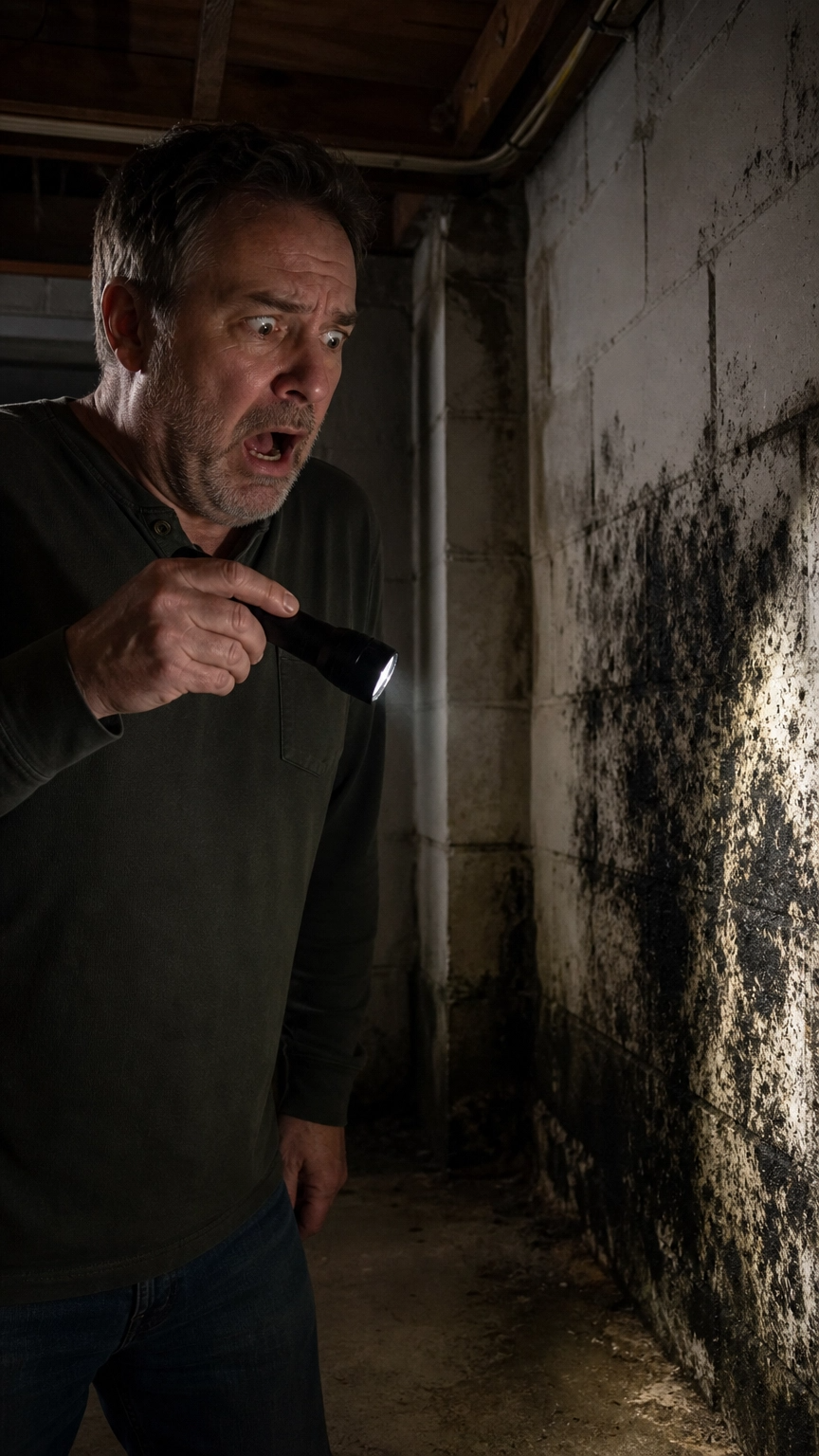
Dark spots or streaking in ceiling corners, at wall-floor junctions, or around HVAC registers that appeared after a storm or over the course of a humid summer are consistent with mold growth behind or at the surface of drywall.
Persistent respiratory irritation, congestion, or itchy eyes in household members that don't have a clear seasonal explanation — especially if the symptoms began or worsened around the same time as a water event in the home.
Soft or spongy baseboards near exterior walls, doors that stick or don't close flush, and drywall that flexes when pressed near floor level are physical signs of prolonged moisture in wall structure — a reliable indicator of mold activity in the surrounding material.
Our Mold Remediation Process: Step-by-Step
Step 1 — Same Day Inspection
A certified technician comes to your property — usually within 2 to 4 hours of your call. We use moisture meters, thermal imaging, and visual inspection to locate active mold growth and identify the moisture source driving it. You'll know where the problem is and what caused it before we leave that first visit.
Step 2 — Containment
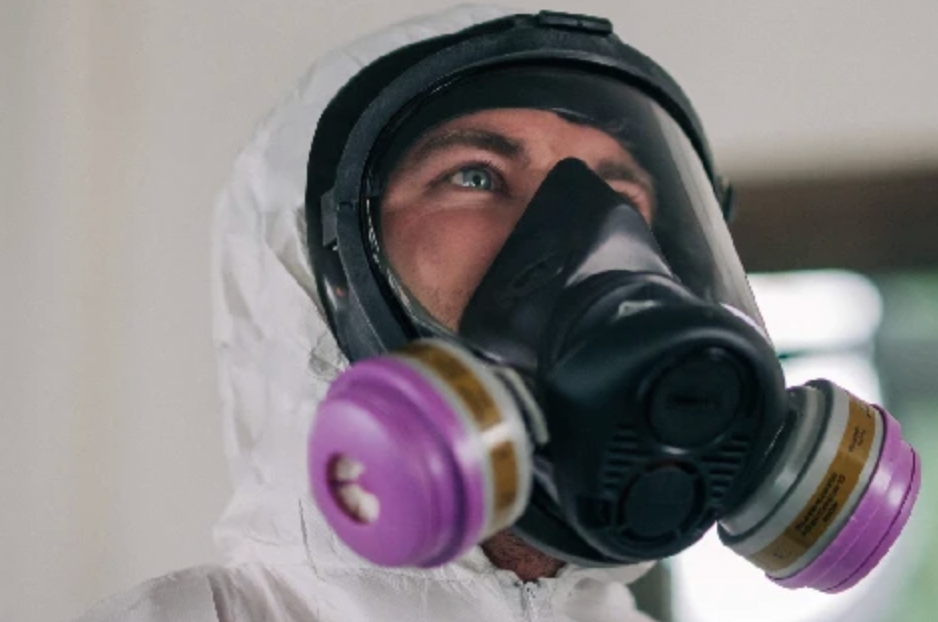
Before any mold is disturbed, we seal off affected areas with 6-mil poly sheeting and establish negative air pressure using HEPA air scrubbers. This keeps spores from migrating into clean parts of your home during the remediation process. Your family stays protected — we're not just tearing out drywall and letting spores fly.
Step 3 — Remediation & Material Removal
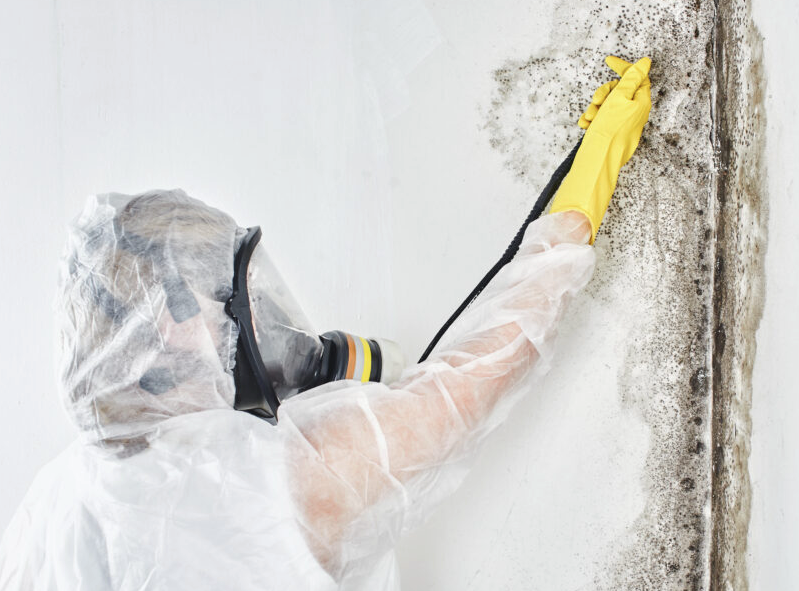
Porous materials that can't be cleaned — drywall, insulation, saturated wood — get bagged and removed. Non-porous surfaces are treated with EPA-registered antimicrobial agents. Structural wood showing surface growth gets HEPA-vacuumed, wire-brushed, and treated. This phase typically takes one to three days depending on the scope.
Step 4 — Drying and Moisture Control
If the underlying moisture source hasn't been resolved, mold will come back. We address the root cause — whether that's a plumbing repair referral, improved ventilation, or coordination with a waterproofing contractor — and we run commercial drying equipment until readings confirm the structure is dry. Usually 3 to 5 days for a standard affected area.
Step 5 — Post Remediation Clearance Test
Once remediation is complete, we conduct clearance testing to verify that airborne spore counts have returned to normal levels. You get a written clearance report — the document your insurance company and any future buyer's inspector will ask for. We handle the documentation so you don't have to figure out what your adjuster needs.
Start to finish, most residential mold removal jobs in North Richland Hills are completed within 5 to 7 days. Larger contamination areas or jobs involving attic remediation can run 7 to 10 days. We'll give you an honest timeline on day one.
Ready to get started? Contact us here or call (817) 268-6531 — we're available around the clock.
Why North Richland Hills Homeowners Call Us First
We're not a franchise that parachutes in from Dallas. United Cleaning & Emergency Restoration is a family-owned company, founded in 1979, and we've been working Tarrant County neighborhoods since before most of the homes in North Richland Hills were built. That history means we know the regional building styles, the soil conditions, and the insurance documentation standards that are specific to this area.
IICRC Certified: Our technicians meet the industry's highest standard for mold remediation training and protocol. Not every restoration company in the area can say that.
BBB Accredited: We've maintained our accreditation for decades — that's not a badge you buy, it's a track record.
Members of the Greater Fort Worth Association of Realtors and the Arlington Board of Realtors: Real estate transactions often surface mold issues at the worst possible time. Agents and buyers in North Richland Hills know they can call us and get fast turnaround with proper documentation.
HEB Chamber of Commerce Member: We're embedded in this community — not just passing through for a job.
Insurance Coordination: We work directly with your adjuster, document everything to insurance standards, and make sure the claim process doesn't fall on your shoulders to manage.
You don't have to juggle contractors, figure out what paperwork your insurance company needs, or wonder if the job was done to code. We handle it. Learn more about who we are and why we've been Tarrant County's go-to restoration company for over 45 years.
A Message From the Company
"North Richland Hills is a community I've worked in for decades. The homes here are solid, and the people who own them take care of them — but the combination of storm exposure and older infrastructure means water damage and mold are problems that come up repeatedly in this area.
When a homeowner calls us about mold, I want them to know two things: first, that we're going to find the full extent of the problem, not just what's visible on the surface. And second, that we're going to fix what caused it so they don't go through this again. That's the only way to do this work correctly, and it's how we've operated since 1979."
— United Cleaning & Emergency Restoration
Serving North Richland Hills & the Surrounding Tarrant County Area
Our primary service area covers all of North Richland Hills — from the newer developments near Iron Horse to established neighborhoods around Boulevard 26 and Precinct Line Road. We also serve the full Tarrant County region, including Hurst, Bedford, Colleyville, Euless, Haltom City, Watauga, Arlington, and Fort Worth. If you're in North Richland Hills, we're close. Response times in the area are typically under two hours for emergency calls. Whether you're dealing with a slow-developing mold problem in a bathroom that was never properly vented, or you've just discovered black mold behind a wall after a plumber fixed a slab leak — the call is the same: (817) 268-6531. For a full look at our mold removal services in North Richland Hills, including what's covered and how we approach different types of contamination, visit that page for more detail.
Frequently Asked QuestionS About Mold Removal
How much does mold removal cost in North Richland Hills, TX?
Most mold removal jobs in North Richland Hills can run between $1,500 and $6,000, depending on the size and location of the affected area. Attic remediation or mold behind multiple walls can push costs higher. We provide a written estimate after the initial inspection — no surprises after work begins.
Does homeowners insurance pay for mold removal in Texas?
Texas homeowners insurance often covers mold removal when it results from a covered peril — like a sudden pipe burst or storm damage — but typically excludes mold from long-term neglect or maintenance issues. Coverage varies by policy. We document everything to insurance standards and can work directly with your adjuster.
What kills black mold immediately?
Nothing kills black mold immediately in a way that's safe and permanent for structural surfaces. EPA-registered antimicrobial agents kill active mold, but porous materials like drywall must be physically removed. Bleach masks surface growth without reaching roots in porous materials and is not an approved remediation method per IICRC standards.
How long does mold removal take in North Richland Hills?
Most residential mold removal jobs in North Richland Hills take 5 to 7 days from start to clearance testing. Larger areas, attic contamination, or jobs requiring significant material removal can run 7 to 10 days. We give you a specific timeline on day one after the initial inspection.
Can I remove mold myself instead of hiring a professional?
DIY mold removal on surfaces larger than 10 square feet is not recommended by the EPA. Disturbing mold without proper containment spreads spores throughout your home. You also won't get the clearance documentation required by insurance companies or future home buyers. IICRC-certified remediation is the only way to verify the job is actually done.
Mold in Your NRH Home Can Grow Every Day — Call United Now
In North Richland Hills, where storms are common and slab homes with older infrastructure are the norm, mold can move from a manageable problem to an expensive one surprisingly fast. Every week of delay is more surface area, more material loss, and more potential health exposure for your family.
United Cleaning & Emergency Restoration is available 24 hours a day. We've served this community for more than 40 years and we bring professional, thorough mold remediation to every job in NRH and across DFW.
United Cleaning & Emergency Restoration
24/7 Mold Remediation — North Richland Hills, TX and Greater DFW — Family-Owned Since 1979
Contact Us for Mold Removal Services in North Richland Hills!
Contact Us
We will get back to you as soon as possible.
Please try again later.