Why Does My House Smell Like Mildew?
March 31, 2026
What Actually Causes That Musty Smell in Your Home?
That musty smell — whether your house smells like old socks, damp earth, or stinks when the AC turns on — almost always means hidden moisture is feeding active mold or mildew growth somewhere inside your walls, ductwork, attic, or crawlspace. In Hurst and the greater Fort Worth area, high Texas humidity makes this one of the most common problems homeowners face.
What Actually Causes That Musty Smell in Your Home?
Mildew odor is caused by microbial volatile organic compounds (MVOCs) — gases released by mold and mildew colonies as they digest organic material. Even a colony too small to see can produce a powerful, persistent smell.
In North Texas, the specific culprits we find most often are:
- Slow roof leaks saturating attic insulation or OSB decking
- HVAC condensate pan overflow — the reason your house stinks when the AC turns on
- Foundation moisture intrusion driven by hydrostatic pressure after heavy rain
- Plumbing leaks inside walls behind bathrooms, kitchens, and laundry rooms
- Poor crawlspace ventilation trapping ground moisture under your floors
- Improperly dried building materials from a past flood or water event
Why Does My House Smell Like Old Socks or Wet Dog After Rain?
That wet-dog or old-sock odor after rain is a classic sign of mold activated by moisture — often inside walls absorbing humidity from outside.
Fort Worth and Hurst average over 36 inches of rainfall annually, and summer relative humidity routinely exceeds 70%. That sustained moisture load is enough to activate dormant mold spores on any organic surface — drywall, wood framing, duct liner — within 24 to 48 hours of a saturation event.
Why Does My House Stink When the AC Turns On?
AC-activated odor almost always points to mold or bacterial growth inside your air handler, evaporator coil, or ductwork — and it circulates spores throughout your home every time the system runs.
The evaporator coil sits at roughly 40°F while humid Texas air passes over it, creating the perfect condensation environment. If the condensate line is even partially blocked, standing water collects in the drain pan — a petri dish sitting inside your ceiling or air handler cabinet.
Step-by-Step Homeowner Inspection: What to Check Right Now
You can gather valuable information before calling a professional — just stay safe and don't disturb anything that looks like active mold growth.
How to Inspect Your Home for Mildew and Moisture Damage
A 30-minute walkthrough covering these six areas will tell you a lot about where the problem is coming from.
- Attic first. Take a flashlight and look at the underside of your roof decking. Black or gray staining, discoloration on rafters, or insulation that looks matted and dark are red flags. Feel the insulation — it should not feel damp or heavy.
- Check your HVAC drain pan. Locate your air handler (usually in a closet, attic, or utility room). Look inside or below for standing water. A rusty ring in the pan means it has overflowed before.
- Inspect supply vents. Pull a few return-air vent covers off and shine your light inside. Dark spotting or visible fuzz on the duct lining is a significant finding.
- Look under sinks and behind toilets. Check for soft cabinet floors, water stains, or mineral deposits on supply lines — telltale signs of a slow, chronic leak.
- Walk the exterior foundation. Look for soil sloping toward your house rather than away from it. After rain, water pooling against your foundation creates hydrostatic pressure that forces moisture through concrete and slab cracks.
- The paper towel test. Press a dry white paper towel firmly against the lower section of drywall in your bathroom, laundry room, or near exterior walls. If it comes away with any moisture or gray/black transfer, you have active moisture intrusion.
What a professional adds: Our technicians use calibrated moisture meters to detect elevated moisture content inside wall cavities without opening drywall, and FLIR thermal imaging cameras to map temperature differentials that reveal hidden wet spots behind surfaces. These tools routinely find damage that no visual inspection can catch.
The Hidden Danger of Waiting 48 Hours to Address a Musty Smell
Waiting even 48 hours after identifying a moisture problem is not a neutral decision — it is one that can dramatically increase health risks, structural damage, and your out-of-pocket costs.
What Happens to Mold in 24–48 Hours Inside a Texas Home?
Under ideal conditions — which North Texas summer heat and humidity readily provide — mold colonies can double in size every 24 hours once they have a sustained moisture source.
Here is what that timeline looks like in practice:
Hours 1–24:
Mold spores activate. MVOCs begin off-gassing — that's the smell you're noticing. No visible growth yet.
Hours 24–48:
Colonies establish on drywall paper, wood framing, and insulation. Cross-contamination to adjacent cavities begins through your HVAC if the system is running.
Hours 48–72:
Structural cellulose materials — OSB, plywood, studs — begin to lose integrity. What was a surface remediation job becomes a structural drying and rebuild project.
Beyond 72 hours:
Electrical junction boxes inside wet walls become shock hazards. HVAC ductwork becomes permanently contaminated. Health exposure risks rise significantly for household members with asthma, allergies, or compromised immune systems.
IICRC S520 standards define a Class 3 mold condition as one where the entire air space of a structure may be affected. Getting there from a minor leak in humid Texas heat takes days — not weeks.
The Insurance Truth: Why Professional Documentation Is Non-Negotiable
Most homeowner policies do cover sudden and accidental water damage
— but claims are routinely denied or underpaid when the damage cannot be properly documented at the time of the event.
How Professional Moisture Documentation Protects Your Insurance Claim
Without a certified professional's moisture mapping on file, your insurer has no obligation to pay for hidden damage — only what's visible to the naked eye.
Here is what professional documentation provides that your phone camera cannot:
- Timestamped moisture meter readings at dozens of points, creating a legal record of the affected area's scope
- Thermal imaging reports showing moisture migration paths behind walls and ceilings
- IICRC-compliant drying logs that satisfy the "reasonable steps to mitigate" requirement in most Texas policies
- A written scope of work corresponding to industry-standard Xactimate pricing — the same software your adjuster uses
United Cleaning & Emergency Restoration provides full documentation packages built specifically to support insurance claims. We work directly with adjusters so you don't have to fight for what you're owed.
Why Hurst and Fort Worth Homes Are Especially Vulnerable to Mildew Problems
North Texas climate creates a near-perfect environment for moisture intrusion and mold growth — and most homeowners don't realize it until the smell is already there.
Texas Humidity, Expansive Clay Soils, and Your Foundation
Hurst sits on the same expansive black clay soil that runs throughout Tarrant County — soil that absorbs and releases enormous amounts of water, creating constant hydrostatic pressure against your foundation.
During wet springs and after late-summer storm systems, that pressure forces moisture through hairline cracks in slab foundations and block walls. Add an HVAC system that runs nine months a year, and you have an ideal environment for chronic moisture cycling — a pattern we see constantly in homes throughout Hurst, Euless, and Bedford.
Summer AC Season: The Mildew Incubation Window
When your AC runs continuously from May through September, it pulls enormous volumes of warm, humid outside air across a cold evaporator coil — and any organic debris in that system becomes a mold substrate.
This is precisely why so many Hurst homeowners notice the smell peaking in late summer. The system has been running for months, slowly cultivating a colony no one can see.
Don't Guess With Your Family's Health.
A musty smell is your home asking for help. The longer you wait, the larger the colony grows, the deeper the moisture penetrates, and the harder it becomes to document for insurance. If you need a mold removal
team in DFW, we'll happily get the job done.
Call United Cleaning & Emergency Restoration at 817-268-6531
for a free quote today. We offer 24/7 emergency response, professional moisture metering, thermal imaging, and full insurance documentation — serving Hurst, Fort Worth, and all of the DFW Metroplex.
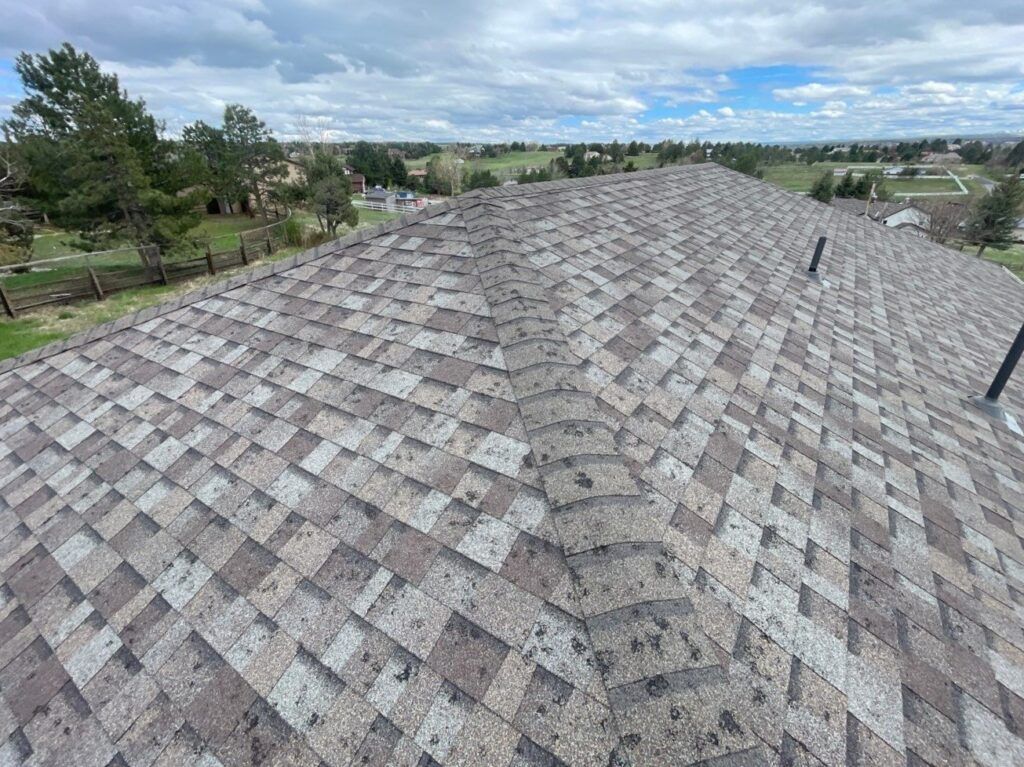
Hail and storm damage in Tarrant County requires two things within 48 hours: emergency temporary protection and professional interior water damage mitigation.
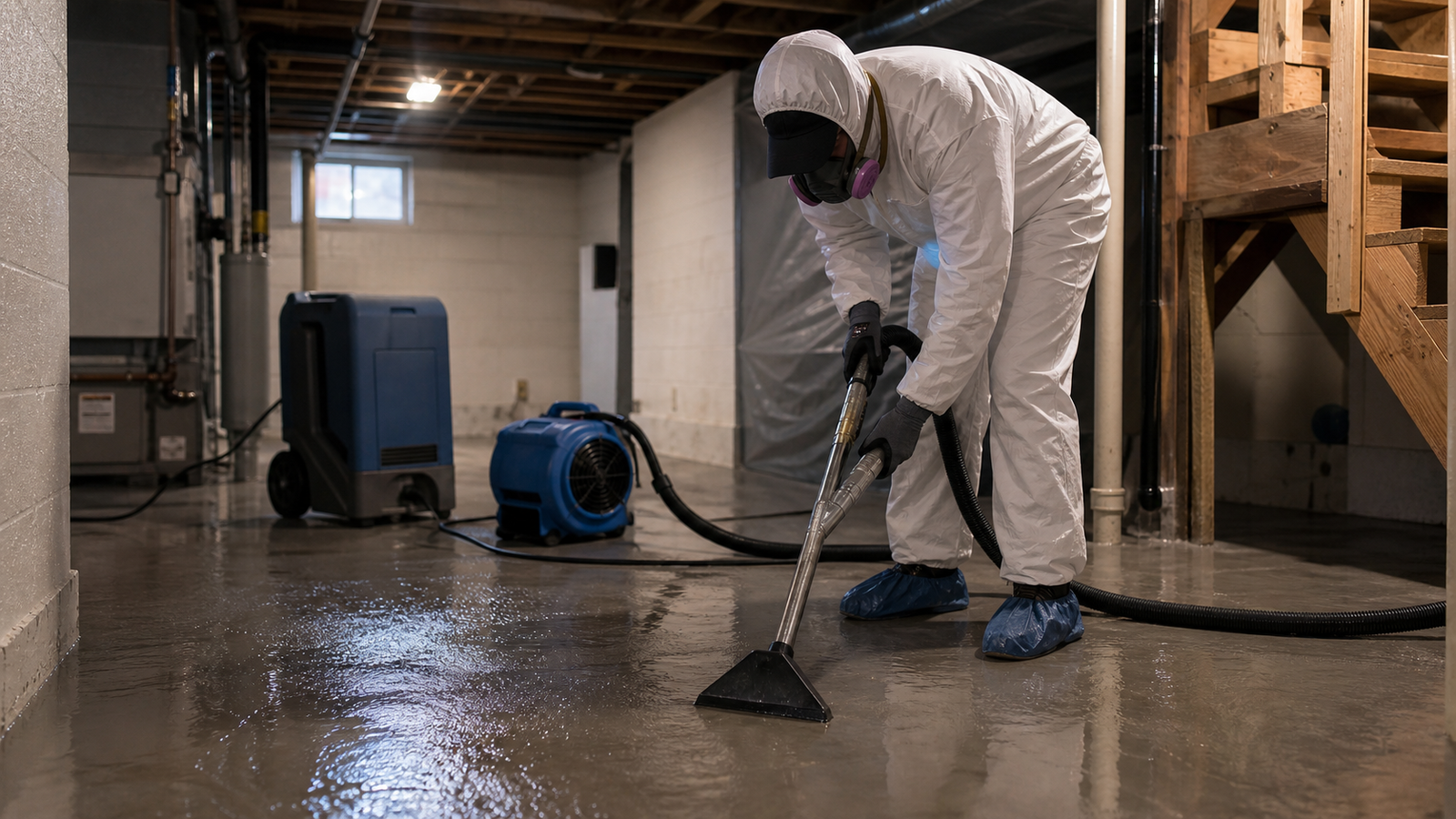
A sewage backup in your home is a Category 3 biohazard emergency — call United Emergency Restoration to help with your sewage issue today!
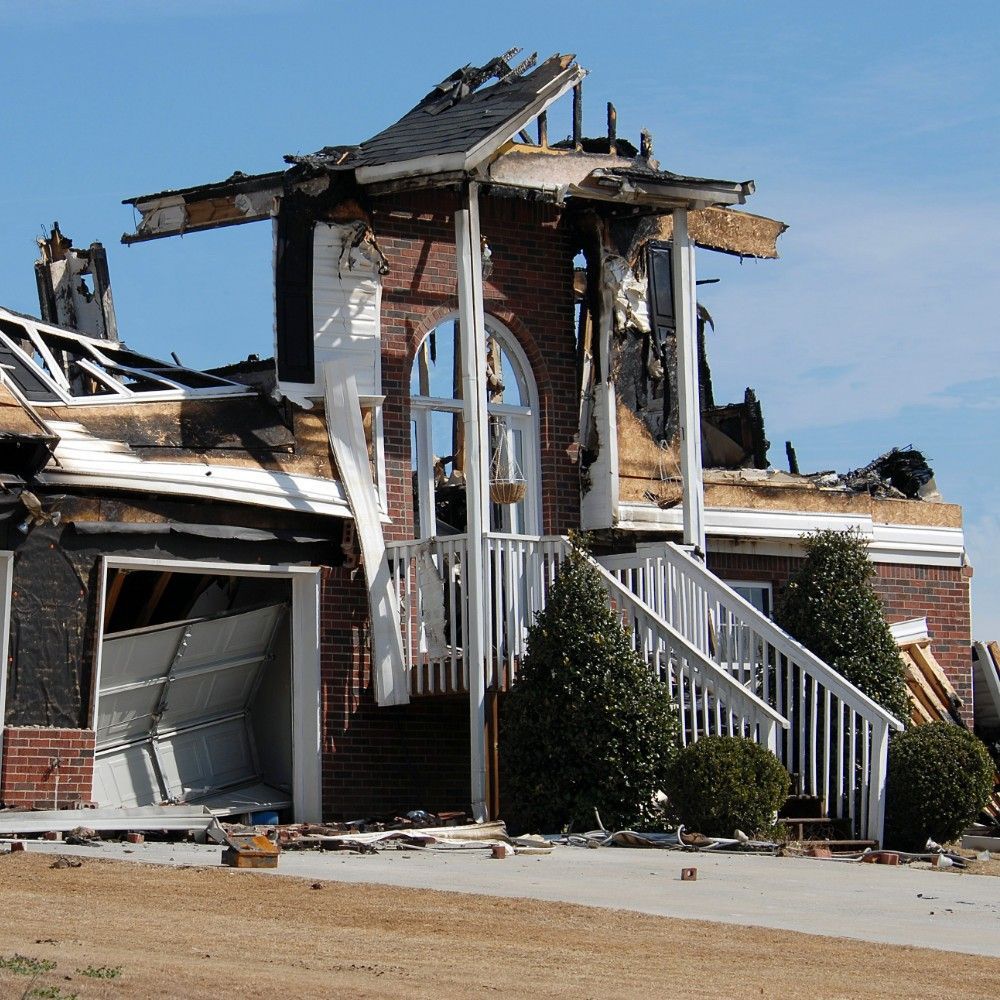
After a house fire in Texas, don't re-enter the structure until the fire department has officially cleared it as safe. See here for more details!
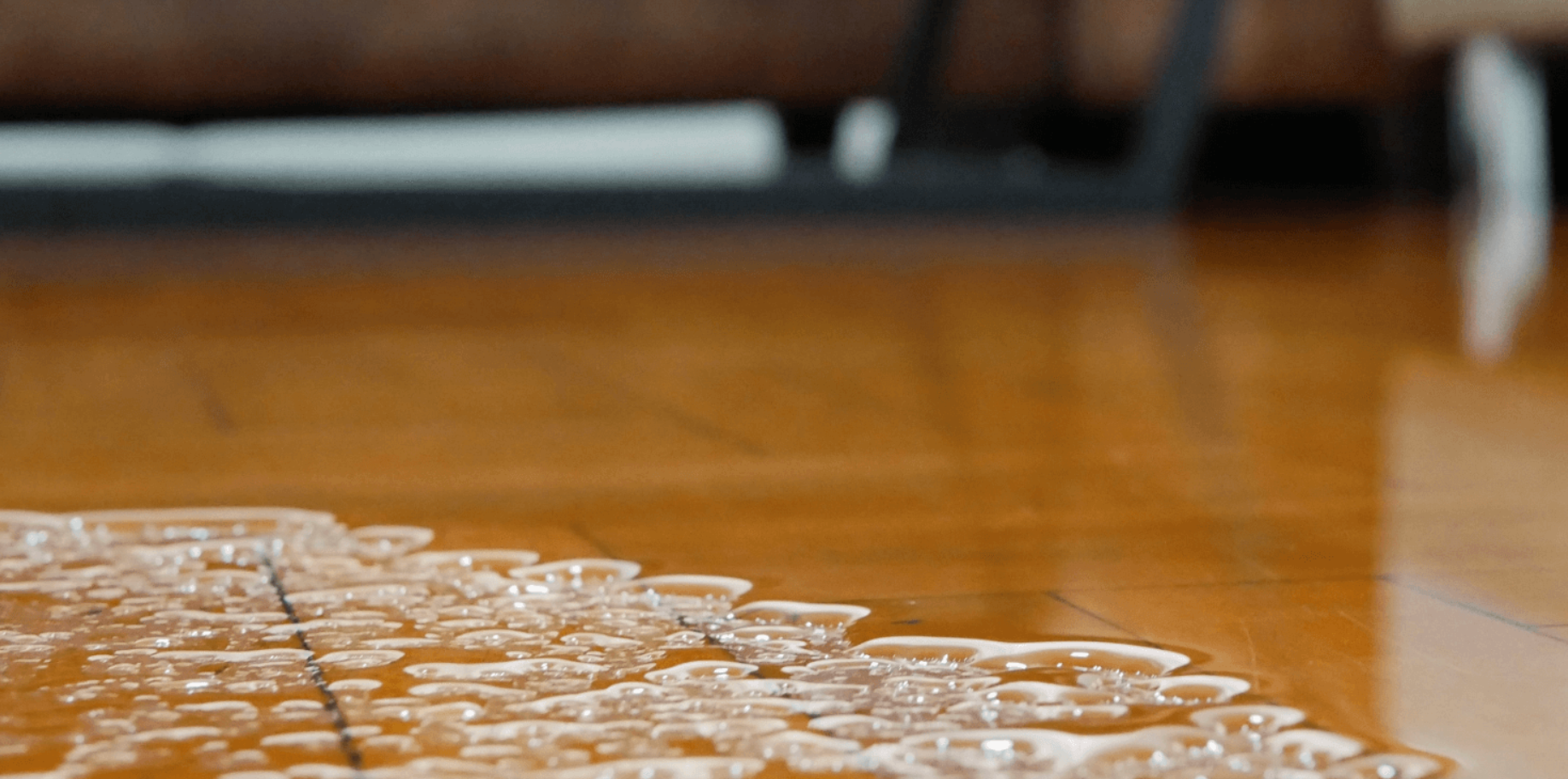
Water damage restoration in the Dallas-Fort Worth area typically costs between $1,500 and $8,000 for a standard residential job. While commercial jobs are more.
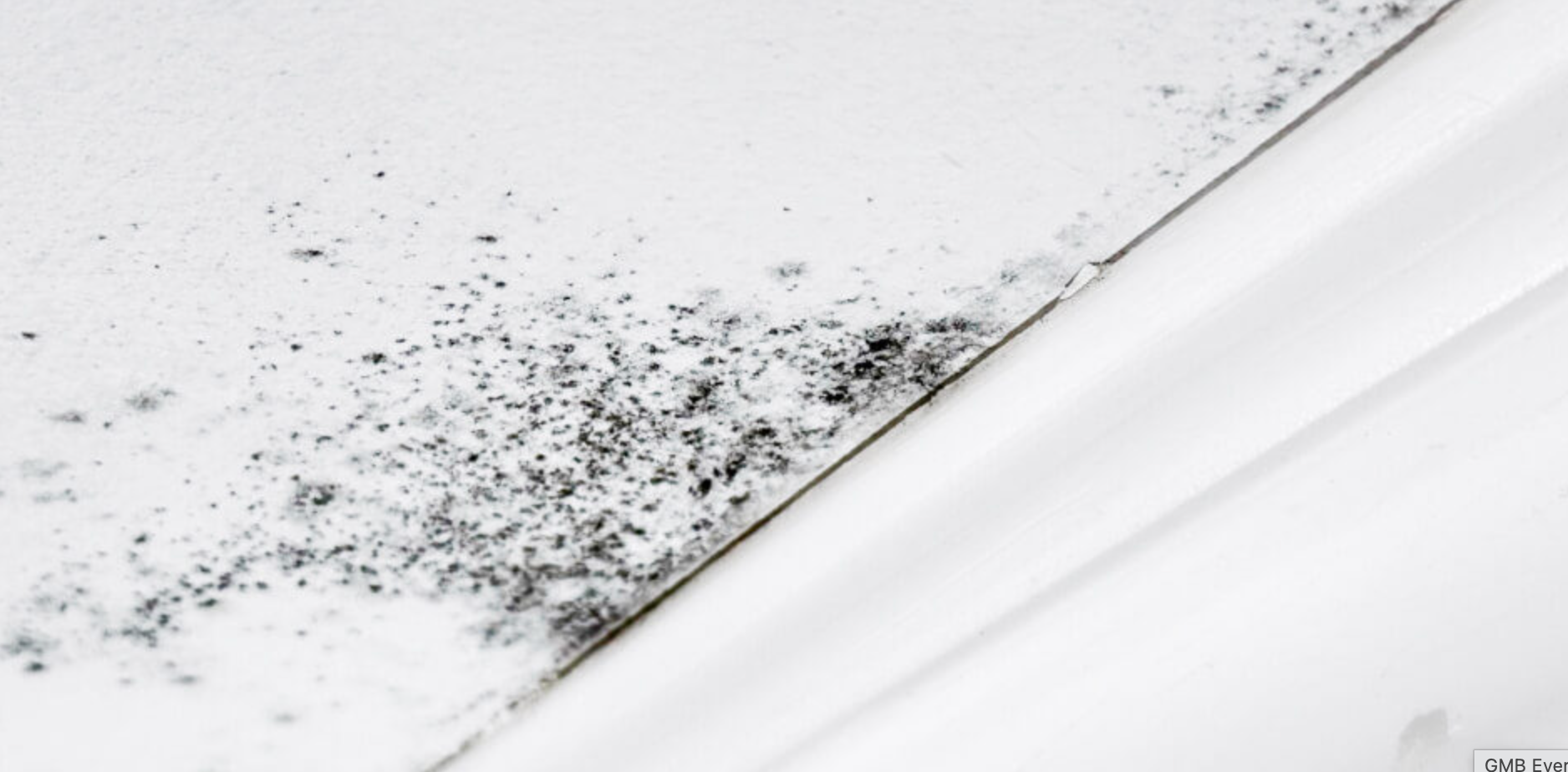
You may have mold inside your walls if you notice a persistent musty odor that doesn't go away with cleaning, visible discoloration or staining on drywall.
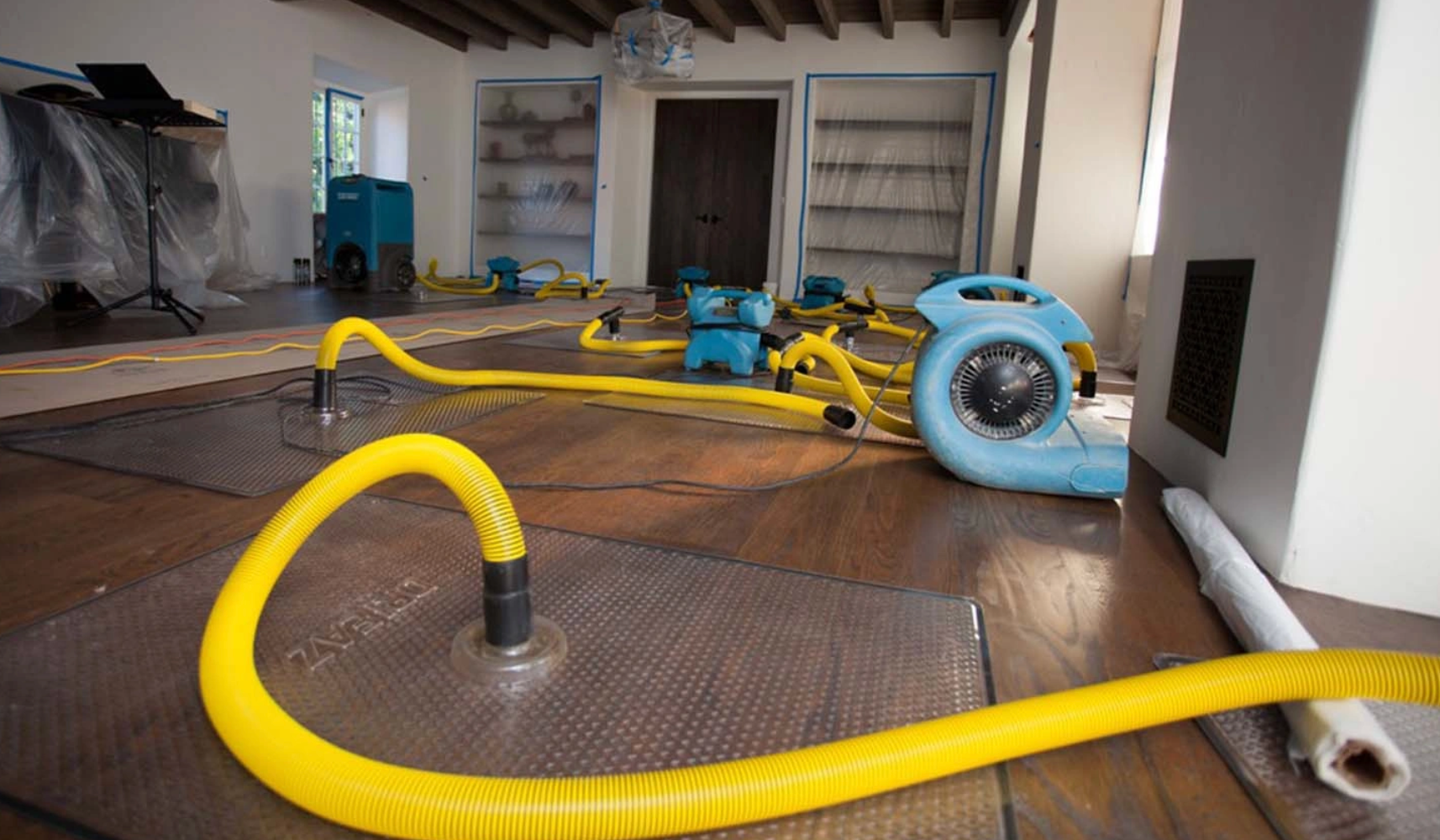
When you discover water damage at home, stop the water source immediately if it's safe to do so, then call a certified water damage restoration company.
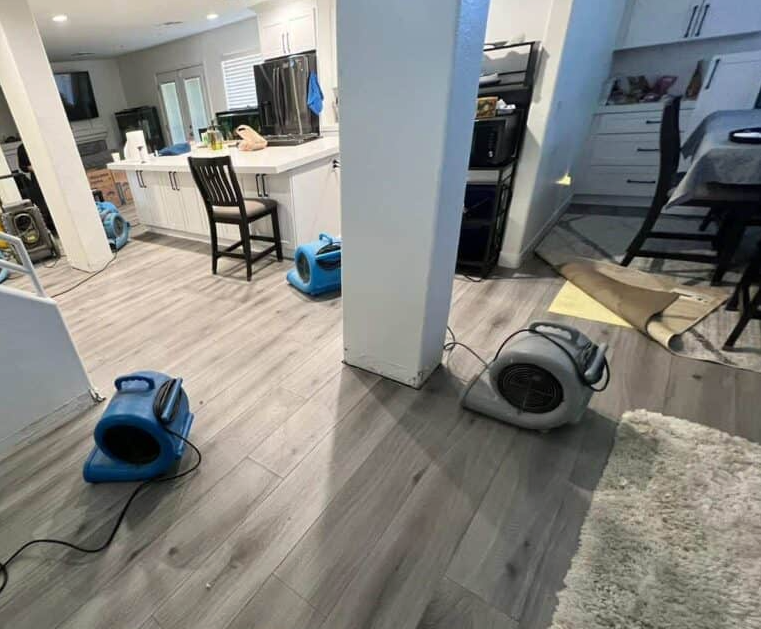
Homeowners insurance in Texas covers sudden and accidental water damage - such as a burst pipe, appliance failure, or roof leak from a storm.
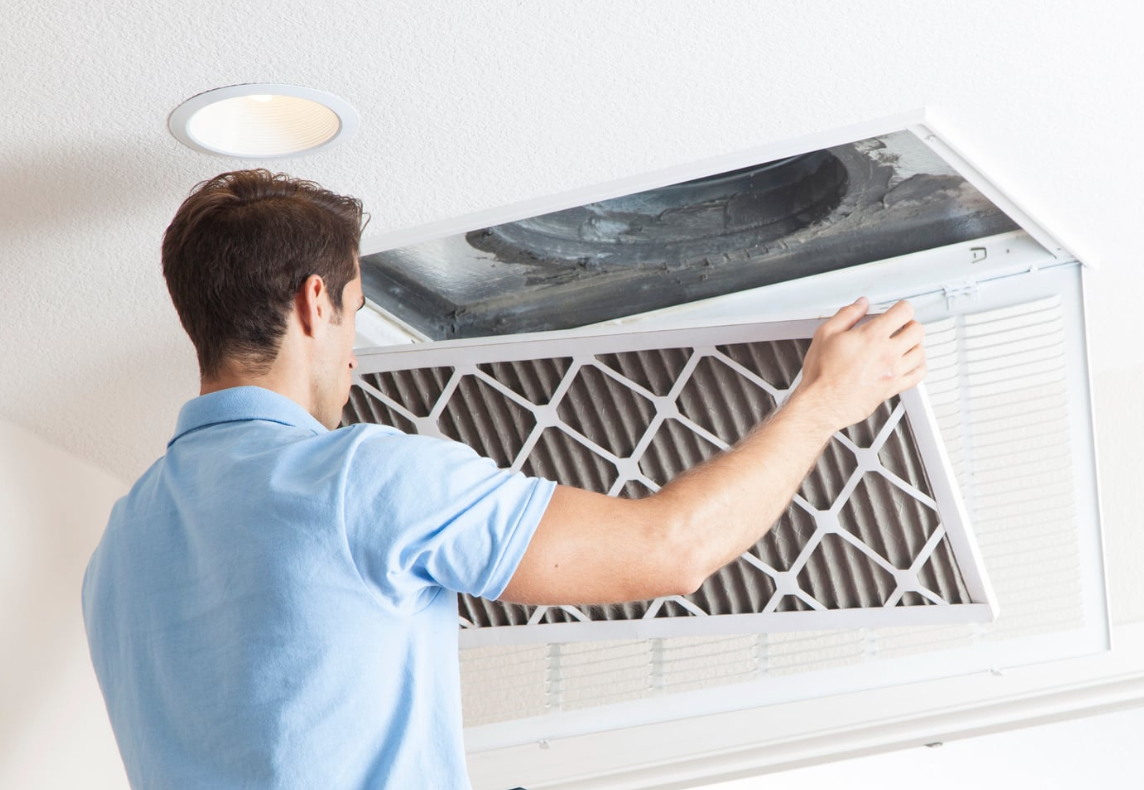
One of the common questions we get is when should you clean your air ducts? It is highly recommended that you give us a call about it as each job is different.

Is there an unwanted smell in your home? Wondering why your house smells like soemthing died? Call our professional odor removal team today to handle the job.

Are you worried about mold and wanting to uncover the early signs of mold in your house? Look at our guide here, we'll be able to help you. Call our team today!