Why Are There Yellow Stains on My Ceiling?
April 5, 2026
What Causes Yellow Stains on Your Ceiling?
Those yellow or brown stains on your ceiling are almost always caused by water intrusion — a slow leak from a roof, plumbing pipe, or HVAC system that has soaked into your drywall and left behind mineral deposits and the early stages of mold growth. In Hurst and Fort Worth, Texas heat and storm cycles make this one of the most misdiagnosed problems in residential restoration.
What Causes Yellow Stains on Your Ceiling?
Yellow ceiling stains are caused by water saturating drywall or plaster and leaving behind dissolved minerals, rust, and organic matter as it dries — and the stain you see is almost never the full picture.
The source is almost always one of the following:
- Roof leaks after hail, wind-driven rain, or deteriorated flashing around vents and chimneys
- Upstairs plumbing leaks from a slow-dripping supply line, wax ring failure, or pinhole pipe leak
- HVAC condensate overflow from a blocked drain line or cracked drain pan above your ceiling
- Ice dam infiltration — rare in North Texas but not unheard of after hard freezes
- Bathroom exhaust fans venting into attic space instead of outside, creating chronic condensation
- Old, improperly dried water damage from a previous event that was never fully remediated
Are Yellow Ceiling Stains Dangerous?
Yellow ceiling stains are a warning sign of active or past water intrusion — and where there is sustained moisture in drywall, mold growth typically follows within 24 to 48 hours.
What looks like a cosmetic stain on the surface is often the visible edge of a much larger wet area inside your ceiling cavity. The drywall paper, wood framing, and insulation above that stain have been absorbing moisture — possibly for weeks — before the discoloration became visible to you.
What Is the Difference Between a Yellow Stain and a Brown Stain on the Ceiling?
Color tells you something about the source and age of the intrusion — yellow typically means recent or slow moisture, while dark brown or rust-colored rings suggest a longer-running or more severe leak.
A yellow stain with a distinct darker ring around the edges is what restoration professionals call a "tide line" — the mineral deposit left behind each time the wet area expands and partially dries. Multiple tide lines mean the leak has cycled through wet and dry periods repeatedly, which almost always means active mold is present in the material above.
Step-by-Step Homeowner Inspection: How to Investigate a Yellow Ceiling Stain
You can safely gather critical information before your professional arrives — but do not cut into the ceiling or disturb any material that shows black or green discoloration.
How to Find the Source of a Water Stain on Your Ceiling
The source of a ceiling stain is rarely directly above the stain itself — water travels along framing, pipes, and insulation before it finds a low point to drip through.
- Map the stain's location precisely. Note which room it's in, how far it sits from each wall, and whether it's near a light fixture, vent, or ceiling fan. This is critical information your technician needs before ever opening the ceiling.
- Go directly above it. If there's a bathroom, laundry room, or kitchen above the stain, check under the sink, around the toilet base, and near the water supply lines for any signs of moisture or soft flooring.
- Access your attic if it is safe to do so. Bring a flashlight and look for wet or stained insulation, dark water trails on the underside of the roof decking, or discolored rafters directly above where the stain appears below. Wet insulation will look matted, dark, and feel heavier than dry insulation.
- Check your HVAC drain line and pan. If the stain is near an air handler or directly below an upstairs unit, locate the condensate drain pan. Any standing water or rust staining in the pan confirms overflow as a likely cause.
- Press gently on the stained drywall. If it feels soft, spongy, or gives under light pressure, the material has been wet long enough to lose structural integrity — do not press hard enough to break through, and call a professional immediately.
- Look for secondary staining. Check the walls directly below the ceiling stain and the corners of the room. Water that has saturated a ceiling cavity often wicks down wall framing — extending the hidden damage well beyond what the ceiling stain suggests.
What a professional adds: Our technicians use calibrated moisture meters to measure exact moisture content levels inside your ceiling and wall assemblies without any destructive opening. FLIR thermal imaging cameras reveal the true boundary of wet material — which is almost always significantly larger than the visible stain. This data is essential for both proper drying and insurance documentation.
The Hidden Danger of Ignoring a Yellow Ceiling Stain
A yellow ceiling stain is not a cosmetic problem you can paint over — it is a structural and biological warning that escalates rapidly if the moisture source is not found and eliminated.
What Happens Inside Your Ceiling When You Wait Too Long
Every day a wet ceiling cavity goes unaddressed, the damage compounds in ways that multiply your remediation cost and health risk.
Here is the progression we document on the job every week in Hurst and Fort Worth homes:
Days 1–2:
Drywall paper begins supporting mold colony growth. The stain is visible but the material still has structural integrity. Remediation at this stage is typically straightforward.
Days 3–5:
Mold penetrates through the drywall face into the paper backer and framing above. The musty odor
becomes noticeable in the room below. HVAC circulation begins spreading spores to adjacent spaces.
Days 5–10:
Wood framing above the ceiling begins to show moisture content above 19% — the threshold at which structural rot becomes an active concern under IICRC S500 standards.
Beyond 2 weeks:
Ceiling drywall may begin to sag or bubble. Electrical fixtures penetrating the wet cavity — recessed lights, ceiling fans, smoke detectors — become shock and fire hazards. What began as a single-trade drying job now requires a general contractor, electrician, and certified remediator working together.
One additional risk specific to North Texas: the hail and wind storms that cause roof leaks here often affect multiple penetration points simultaneously. A single storm can introduce moisture in three or four locations at once — meaning the stain you see may be one of several active leak points your insurer needs to know about.
The Insurance Truth: Ceiling Stains and the Documentation Window You Can't Miss
Most Texas homeowner policies cover sudden and accidental water damage from roof leaks and plumbing failures — but the documentation window is narrow, and missing it costs homeowners thousands.
Why Your Insurer Needs Professional Moisture Documentation — Not Just Photos
Insurance adjusters are trained to look for evidence of long-term neglect versus a sudden covered event — and without professional documentation, the burden of proof falls entirely on you.
Here is what separates a paid claim from a denied one:
- Moisture meter logs proving elevated readings throughout the affected assembly — establishing that damage is active and ongoing, not pre-existing
- Thermal imaging reports showing the true scope of wet material, which adjusters use to authorize full replacement rather than surface-only repairs
- IICRC-compliant drying records demonstrating that all reasonable mitigation steps were taken promptly after discovery
- Cause-and-origin documentation connecting the ceiling stain to a specific covered peril — storm damage, sudden plumbing failure, or HVAC malfunction
United Cleaning & Emergency Restoration provides complete claim documentation packages built to satisfy Texas Department of Insurance standards. We have worked alongside adjusters throughout the DFW Metroplex and know exactly what is required to get your claim fully covered — not just partially approved.
Why Hurst and Fort Worth Ceilings Are Especially Prone to Water Staining
The combination of severe weather exposure, aging housing stock, and extreme seasonal temperature swings makes North Texas one of the highest-risk regions in the country for ceiling water damage.
Texas Hail Season and Your Roof
Hurst and Tarrant County sit inside one of the most hail-active corridors in the United States — and a single hail event can compromise hundreds of shingles without creating an obvious visible breach from the ground.
Granule loss from hail impact accelerates shingle deterioration and creates micro-cracks that don't produce an immediate leak but begin admitting moisture with every subsequent rain event. By the time a yellow stain appears on your ceiling, the roof has often been compromised for one or more full storm seasons.
Freeze-Thaw Cycles and Pipe Vulnerability in North Texas
While not a northern climate, Hurst and Fort Worth experience hard freezes several times each winter — and pipes in unconditioned attic spaces, exterior walls, and garages are genuinely vulnerable.
The February 2021 winter storm is still producing ceiling stain claims in our area today — pinhole leaks from stress fractures in copper pipe that weren't immediately obvious but have been slowly seeping ever since. If your ceiling stain appeared or worsened after any winter freeze event, that is critical information for both your remediation team and your insurance carrier.
Don't Paint Over the Problem — Find It.
A yellow stain on your ceiling is your home's way of telling you something is wrong above it. Painting over it doesn't solve the moisture. It doesn't stop the mold. And it can actually complicate your insurance claim by obscuring the evidence an adjuster needs to see.
Don't guess with your family's health. Call United Cleaning & Emergency Restoration at 817-268-6531
for a free quote today. We're available 24/7 for emergency response, and we bring professional moisture metering, thermal imaging, and full insurance documentation to every job — serving Hurst, Fort Worth, and all of the DFW Metroplex.
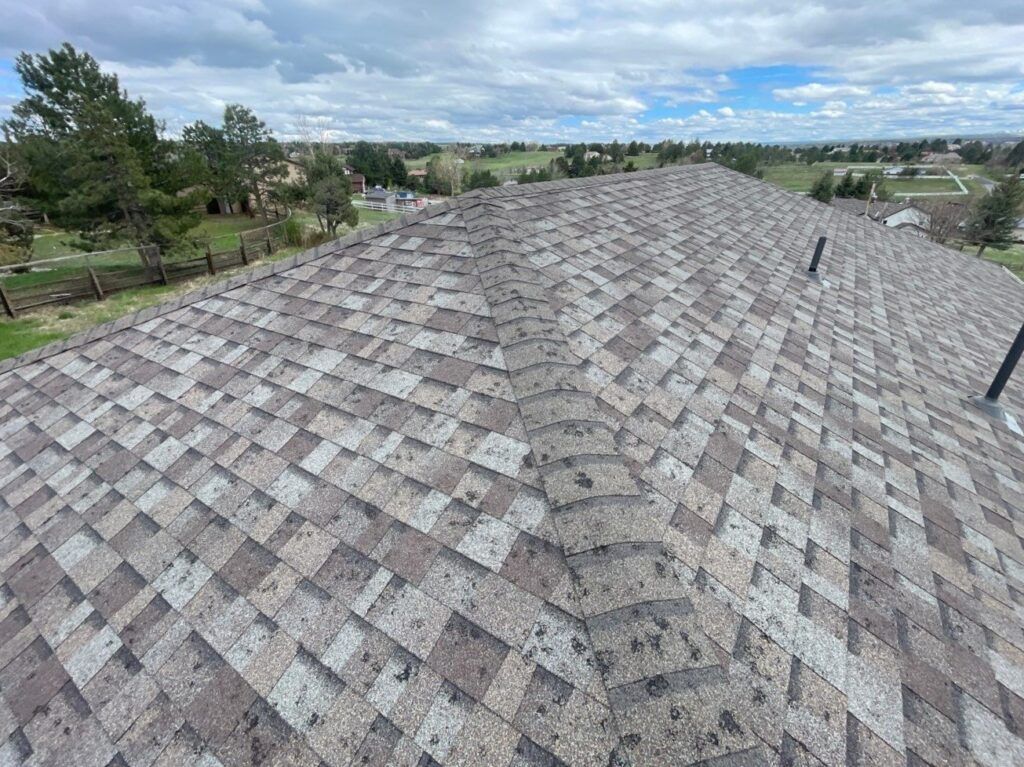
Hail and storm damage in Tarrant County requires two things within 48 hours: emergency temporary protection and professional interior water damage mitigation.
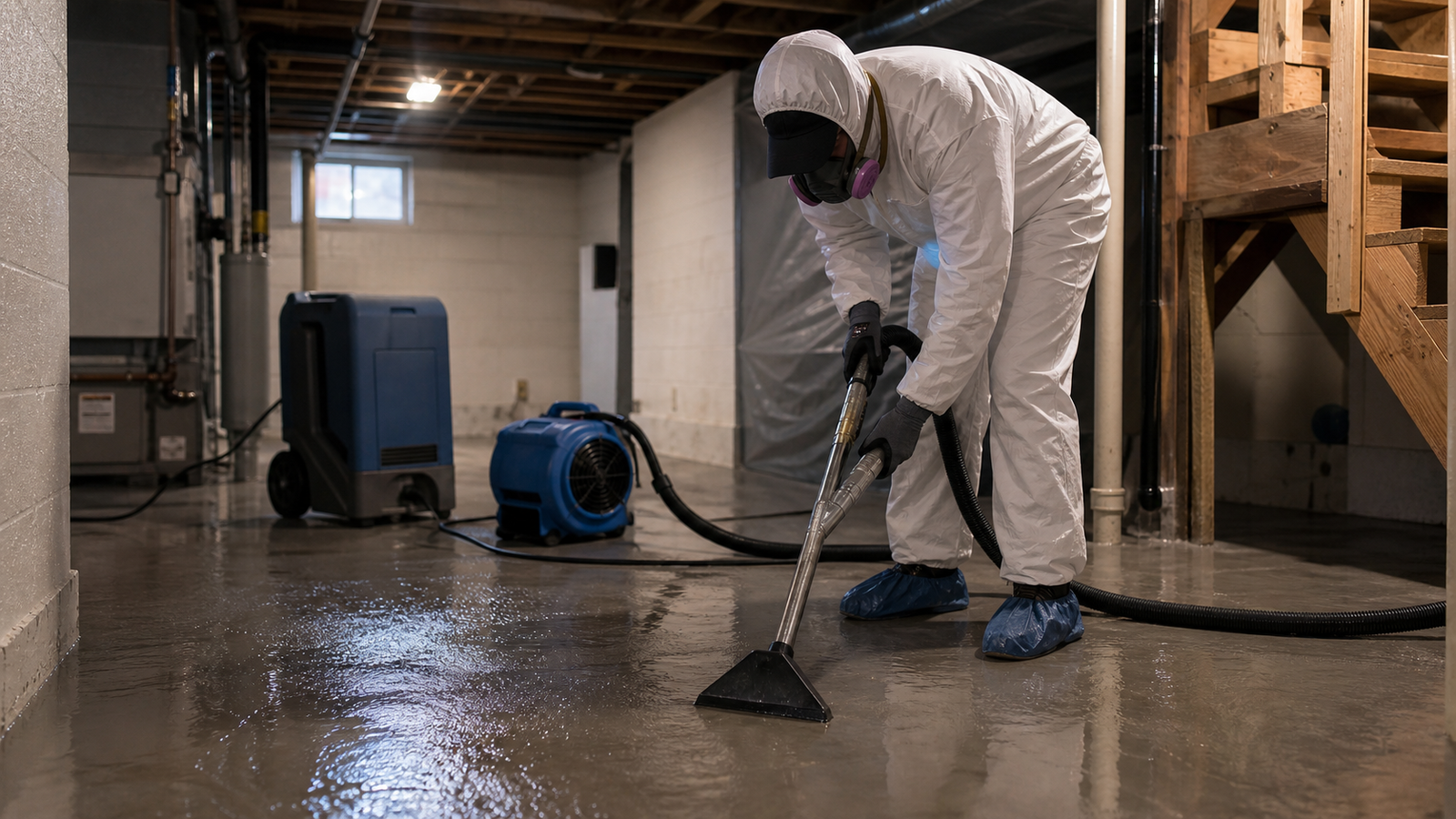
A sewage backup in your home is a Category 3 biohazard emergency — call United Emergency Restoration to help with your sewage issue today!
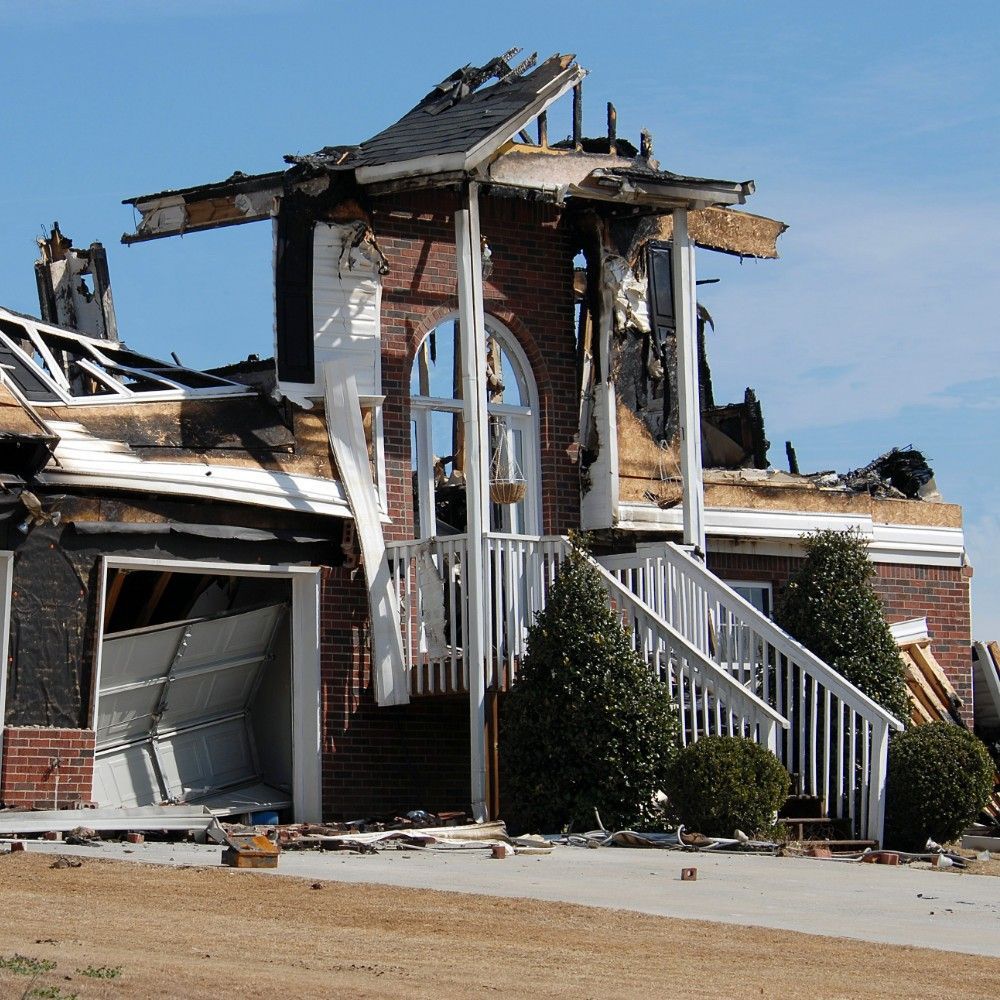
After a house fire in Texas, don't re-enter the structure until the fire department has officially cleared it as safe. See here for more details!

Water damage restoration in the Dallas-Fort Worth area typically costs between $1,500 and $8,000 for a standard residential job. While commercial jobs are more.
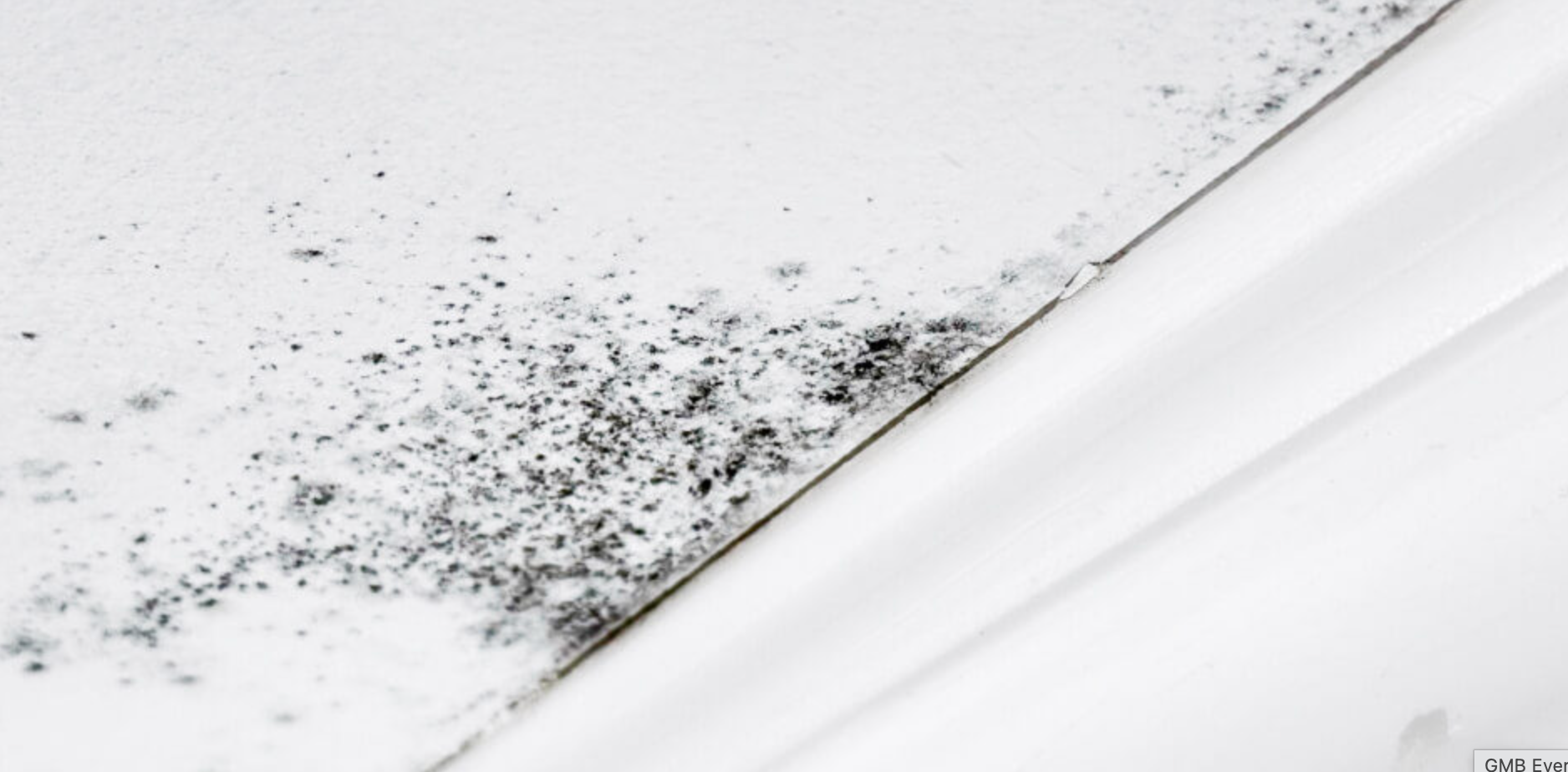
You may have mold inside your walls if you notice a persistent musty odor that doesn't go away with cleaning, visible discoloration or staining on drywall.
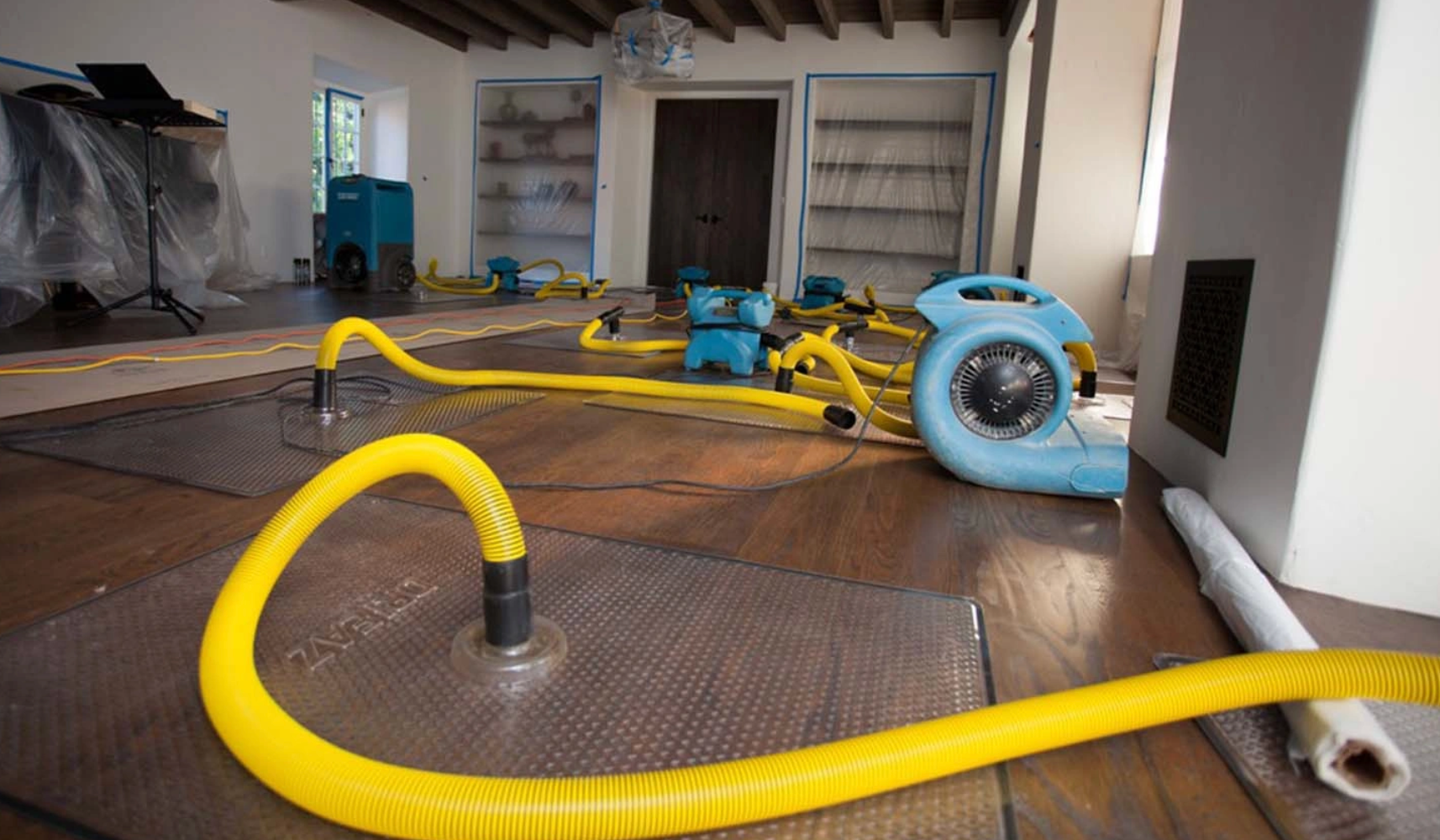
When you discover water damage at home, stop the water source immediately if it's safe to do so, then call a certified water damage restoration company.
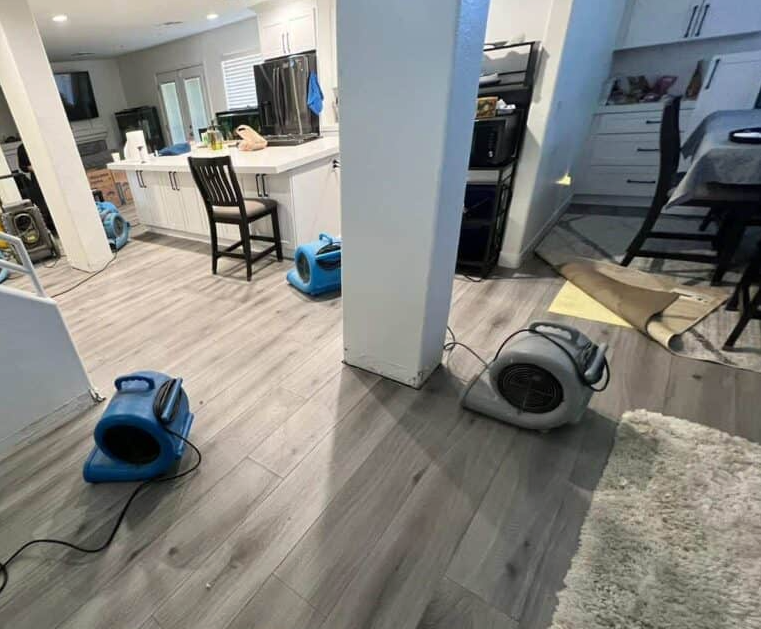
Homeowners insurance in Texas covers sudden and accidental water damage - such as a burst pipe, appliance failure, or roof leak from a storm.
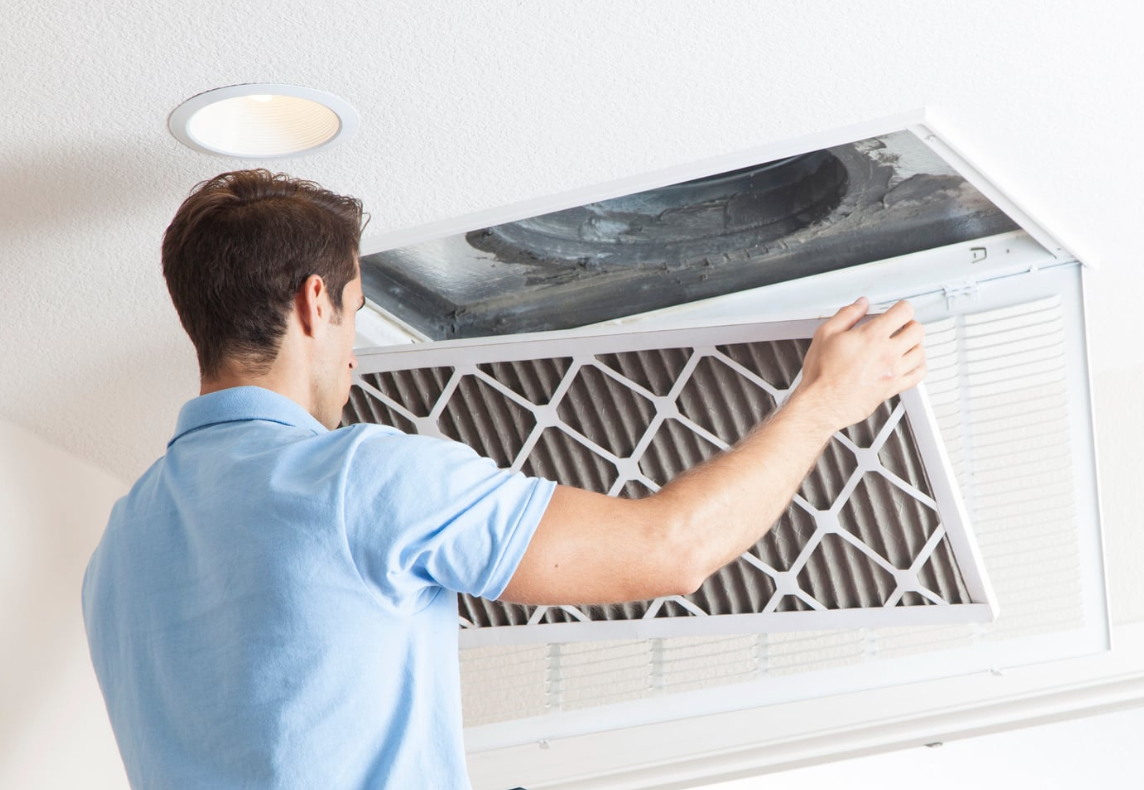
One of the common questions we get is when should you clean your air ducts? It is highly recommended that you give us a call about it as each job is different.

Is there an unwanted smell in your home? Wondering why your house smells like soemthing died? Call our professional odor removal team today to handle the job.

Are you worried about mold and wanting to uncover the early signs of mold in your house? Look at our guide here, we'll be able to help you. Call our team today!