Early Signs of Mold in Your House
What are the Early Signs of Mold in Your House?
The earliest signs of mold in a house are a persistent musty or earthy odor, small discolored spots on walls or ceilings, and allergy-like symptoms in household members — often appearing before any visible mold growth becomes obvious enough to recognize. Most homeowners don't find mold when it's small. They find it when it's already a problem. This guide is about catching it earlier — when remediation is less invasive, less expensive, and less stressful.
Why DFW Homes Are Especially Vulnerable
The Dallas–Fort Worth Metroplex has three environmental conditions that make indoor mold a persistent risk, not a rare occurrence.
First, North Texas expansive clay soil. When it rains, DFW's heavy clay absorbs and holds moisture. When it dries, it contracts and shifts — cracking slab foundations, opening gaps in exterior masonry, and creating entry points for water. Those same foundation movements that cause cosmetic cracks can let moisture migrate into living spaces in ways that aren't visible until mold is already established.
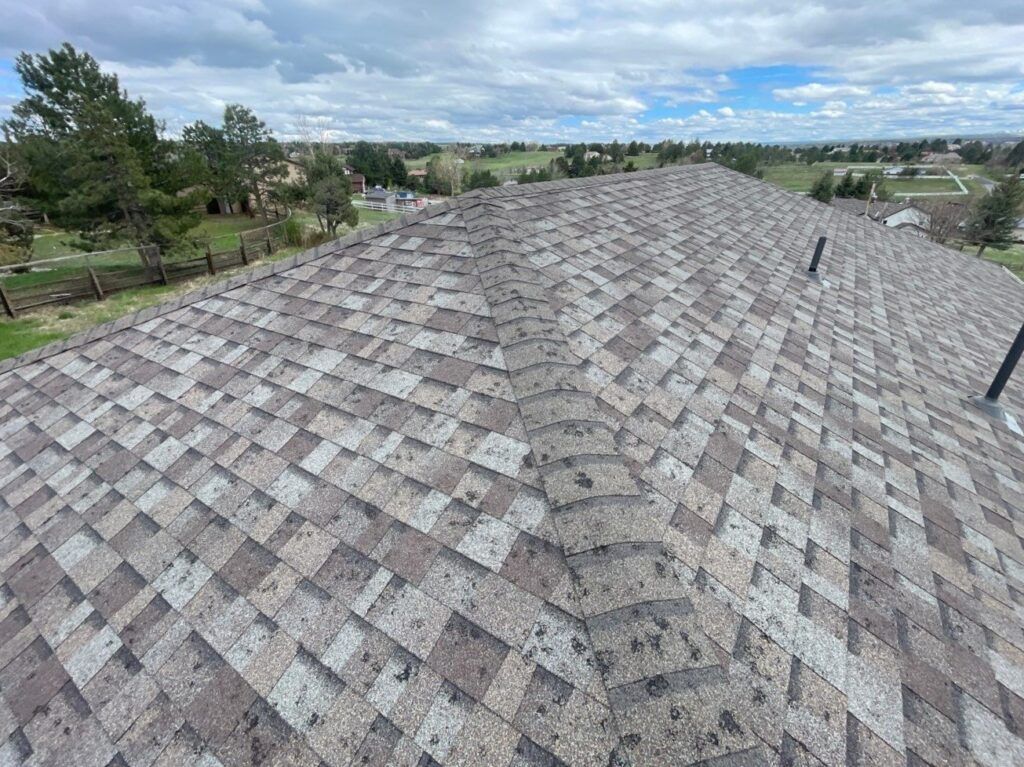
Second, spring storm season. The DFW area averages more than 50 severe weather days per year. A single hailstorm that compromises a shingle layer or cracks a vent boot creates a water pathway that may not show up as an obvious leak for weeks — but mold can establish in 24 to 48 hours of moisture presence.
Third, the regional humidity swing. DFW summers are hot and dry, but spring and fall bring sustained humidity that keeps interior spaces — especially attics, crawl spaces, and slab-level flooring — at moisture levels that mold thrives on.
Homes in Hurst, Euless, Bedford, Colleyville, Grapevine, and surrounding communities face all three of these conditions year-round.
The 7 Early Signs of Mold in Your House
1. A Musty or Earthy Odor — Especially One That Seems Localized
The smell almost always appears before visible growth. Mold produces microbial volatile organic compounds (MVOCs) as it metabolizes organic material, and those compounds have a distinctive earthy, damp odor that's hard to describe but immediately recognizable once you've encountered it.
What separates it from normal house smell: If the odor is consistent (not seasonal), stronger in a specific room or zone, or seems to intensify after rain or high humidity, treat it as a signal worth investigating.
Don't mask it with air fresheners. Trace it to its strongest point. That's your starting place.
2. Small Fuzzy, Discolored, or Slimy Spots on Surfaces
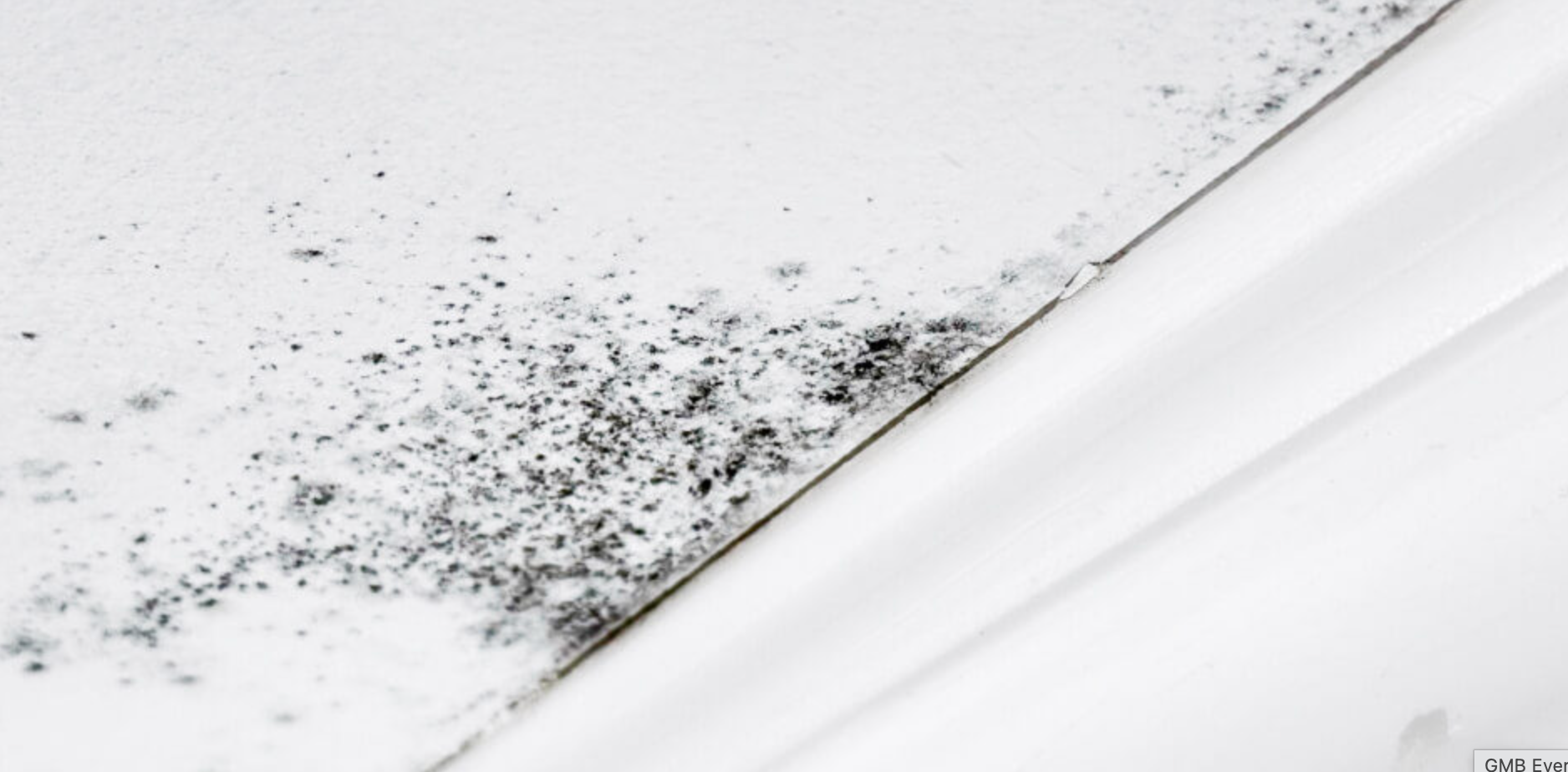
Early mold growth shows up as small patches — often white, gray, green, black, or pink — on walls, window frames, grout lines, and anywhere that holds moisture. Texture varies by species: fuzzy patches (common Penicillium and Aspergillus), slimy patches (Stachybotrys in very wet conditions), or flat dark staining.
Spot vs. mold checklist:
- White powdery residue on concrete or block = likely efflorescence (mineral salts), not mold
- Pink/orange in shower = often Serratia marcescens bacteria, not mold, but still worth treating
- Dark grout staining = drop bleach on it; if it lightens immediately, probably not active mold
If a spot returns after cleaning or doesn't respond to surface treatment, escalate to professional assessment.
3. Water Stains or Discoloration Without an Obvious Leak
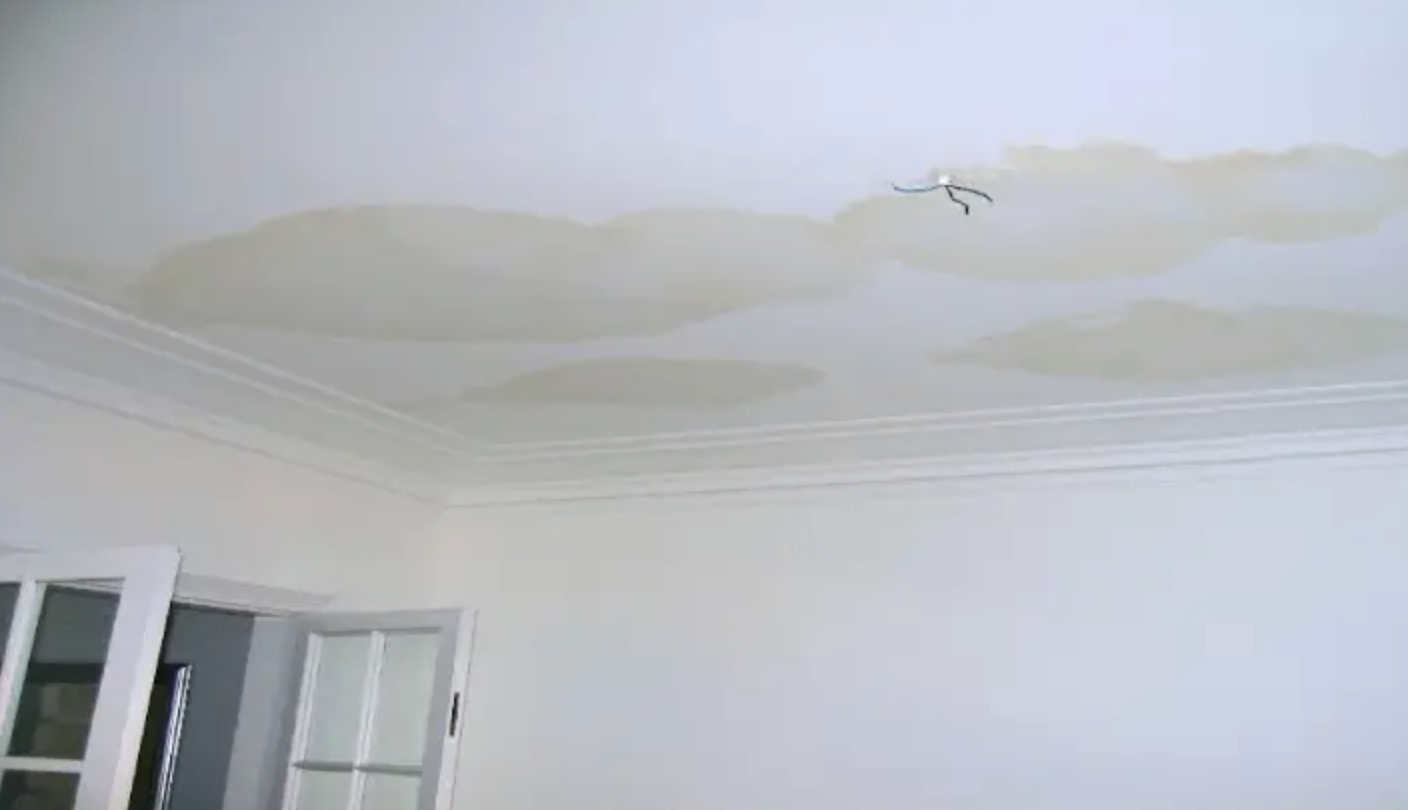
Yellow-brown staining on drywall or ceilings — particularly where there's no obvious pipe overhead — often indicates past moisture intrusion from the roof, attic condensation, or in North Texas, from storm-driven water that entered through a compromised seal.
In DFW slab homes, staining at floor level along exterior walls can indicate moisture migrating upward through the slab or in through the base of exterior walls — a consequence of the clay soil expanding against the foundation during wet periods.
Field test: Press lightly on stained drywall with a screwdriver handle. If it gives, feels soft, or crumbles, there's active moisture and mold is almost certainly present.
4. Peeling, Bubbling, or Warping Paint or Wallpaper
Moisture behind a surface creates vapor pressure that forces paint to bubble and peel away from the substrate. Wallpaper separates at seams and buckles. Both indicate moisture behind the surface — and 24 to 48 hours of moisture presence is sufficient for mold to begin colonizing.
Pay particular attention to exterior-facing walls, especially after hailstorms or periods of heavy rain that stressed your roof or flashing.
5. Allergy-Like Symptoms That Consistently Improve Away From Home
This is the pattern that most reliably points to a mold problem before any visual evidence appears. If one or more household members experience:
- Persistent nasal congestion or runny nose
- Sneezing that doesn't correlate with outdoor pollen season
- Watery or itchy eyes at home
- Coughing that doesn't resolve
- Skin rash or irritation without a clear cause
- Headaches that occur primarily at home
...and symptoms noticeably improve after 24 to 48 hours away from the house, indoor air quality is the likely culprit. Children, elderly family members, and anyone with asthma or existing allergies will typically show symptoms first and more acutely.
Note: DFW is one of the highest pollen-count regions in the country, so it's easy to attribute indoor mold symptoms to outdoor allergens. The distinguishing factor is whether symptoms improve when you're away from the house.
6. Rust, Corrosion, or Deterioration on Mechanical Equipment
Surface rust on HVAC components, water heater connections, or plumbing under sinks indicates sustained moisture exposure in those areas. Rust itself isn't mold — but the conditions that cause rust are the same conditions that feed mold.
In DFW's older homes, under-sink cabinet interiors are a common hidden mold location: slow supply line drips that go unnoticed for months, combined with the confined, humid cabinet environment, create ideal mold conditions.
7. A History of Water Intrusion Events That Weren't Professionally Dried
This is a risk factor, not a visible sign — but it's one of the most important:
If your home has had any of the following, and the affected materials weren't professionally dried and verified within 48 hours, there is a meaningful probability of hidden mold:
- Storm flooding (from hail, heavy rain, or flash flooding events)
- Appliance or supply line failure (dishwasher, washing machine, water heater)
- HVAC condensate line overflow (extremely common in DFW — high AC demand means condensate pans fill quickly)
- Roof leak during spring storm season
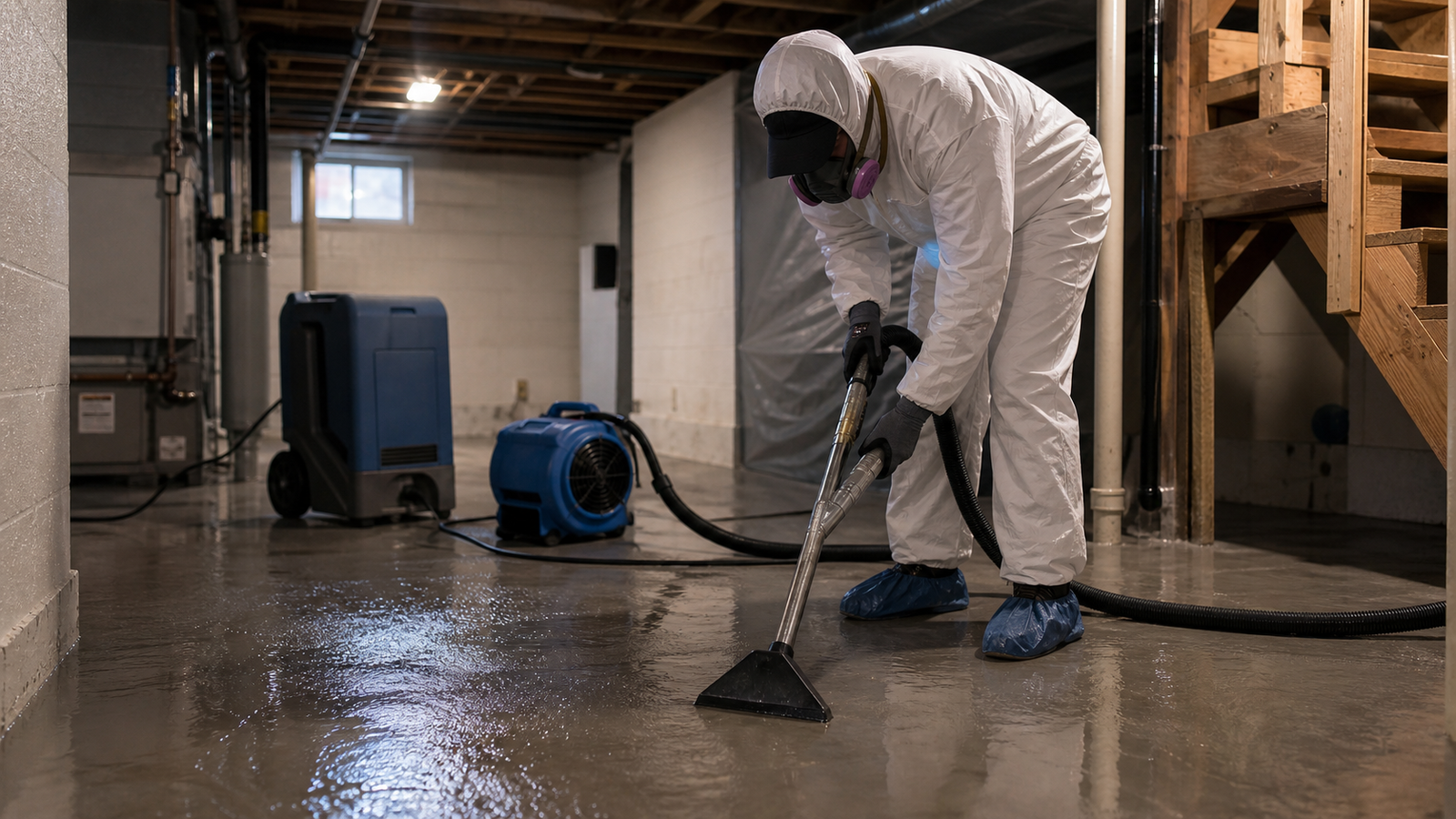
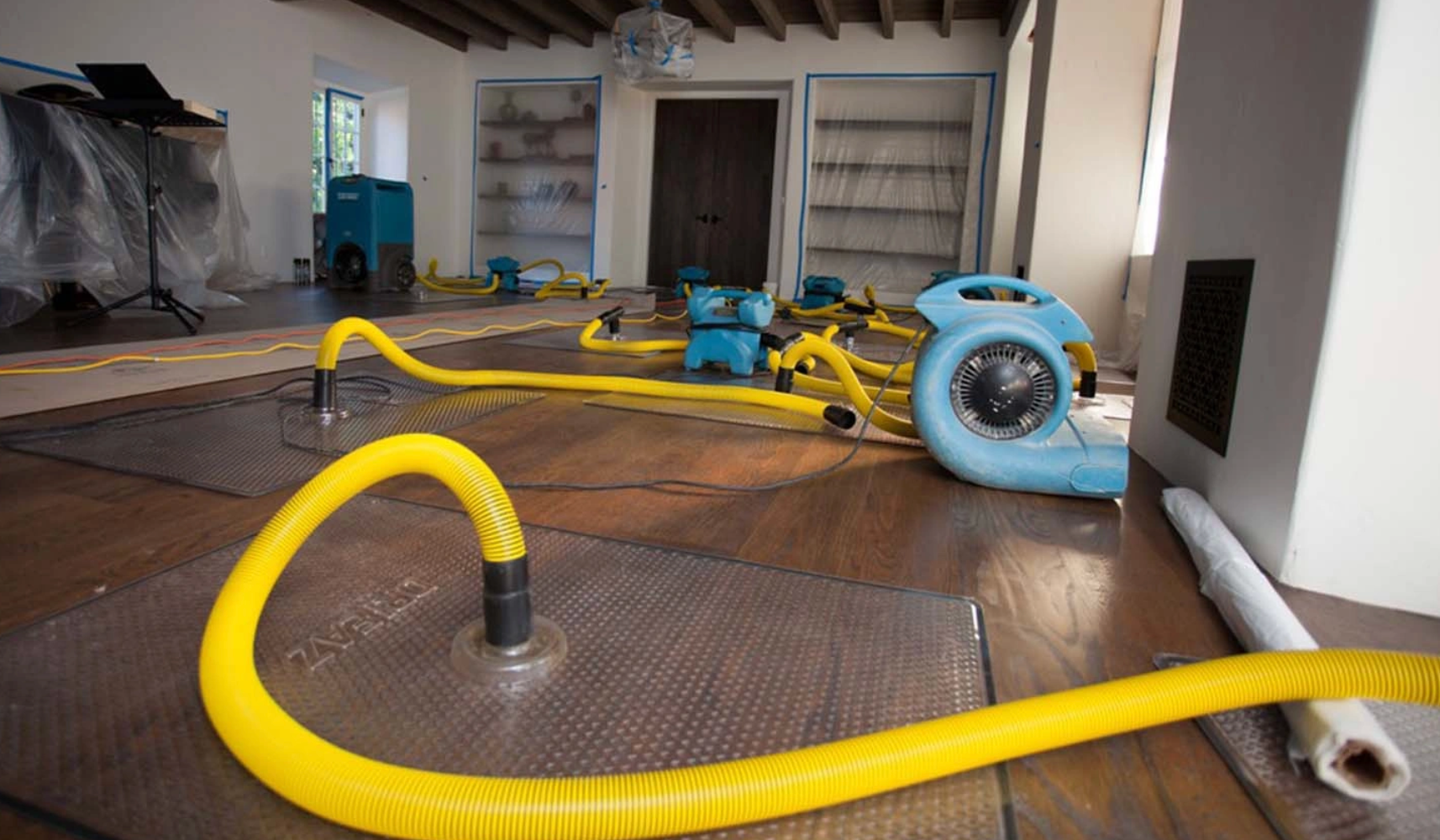
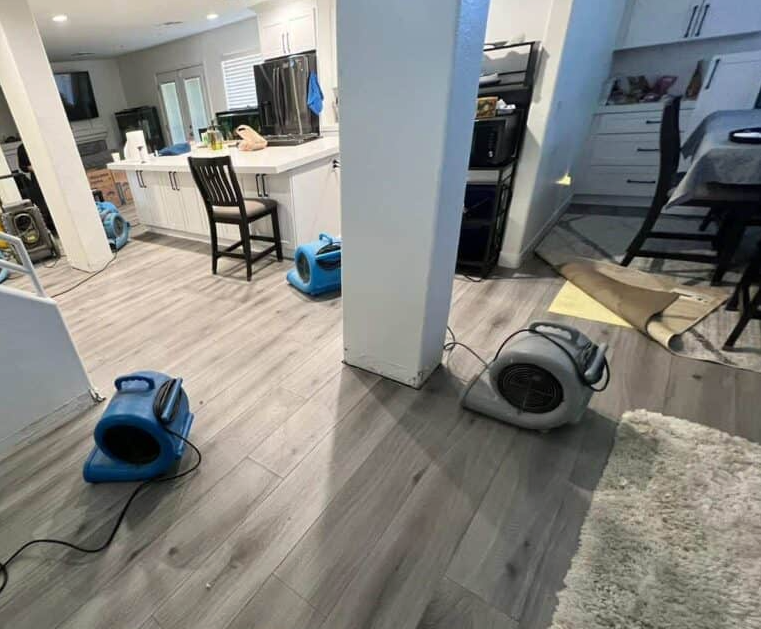
"We mopped it up and ran fans" is not professional drying. Industrial drying equipment operates at a fundamentally different level of capacity, and it also provides moisture readings that confirm when materials have actually returned to safe moisture levels — not just when they feel dry.
Where to Look for Hidden Mold in DFW Homes
The most productive places to inspect in North Texas homes:
- Under carpet and flooring installed over concrete slab — vapor barriers in slab homes are often inadequate or absent; mold grows on carpet backing and pad with no visible evidence from above
- Behind and under kitchen/bathroom cabinets — slow supply line drips, condensation under sinks
- Inside attic spaces — poor ventilation combined with DFW summer heat creates condensation on cooler surfaces during the brief shoulder seasons; also check for roof penetration leaks from hail events
- Along exterior walls at floor level — clay soil moisture migration into slab edges
- Inside HVAC air handler cabinets and ductwork — condensate buildup and coil moisture, especially in systems that have had pan overflow events
- Around window frames and sliding glass door tracks — particularly on west-facing exposures that take repeated storm exposure
What Are the Signs of Mold Toxicity?
When mold exposure involves mycotoxin-producing species like Stachybotrys, the health effects extend beyond typical allergy symptoms. Signs that mold exposure may be affecting health at a deeper level include:
chronic fatigue that doesn't improve with sleep, persistent headaches or difficulty concentrating (brain fog), recurring respiratory infections, sinus congestion that doesn't respond to allergy medications, unexplained muscle aches, skin rashes or dermatitis, mood changes, and nausea that correlates with time spent at home.
These symptoms overlap with many other conditions, so mold isn't always the cause — but when multiple symptoms are present and appear to correlate with time in a specific space, a professional mold assessment is the right next step.
What to Do If You Find Early Signs
Surface mold on non-porous materials (tile, metal, glass): Clean with undiluted white vinegar or a commercial fungicidal product. Improve ventilation. Monitor for recurrence.
Any mold on porous materials (drywall, wood, insulation, carpet, pad): Do not attempt to clean. Surface cleaning on porous materials is ineffective — mold's root system (hyphae) penetrates below the surface — and disturbing established colonies without professional containment spreads spores into the air. Contact a certified mold remediation professional.
Suspected hidden mold (smell without visible growth, past water events): Request a professional inspection with moisture metering. In DFW slab homes, thermal imaging is particularly useful for identifying moisture behind walls and under flooring before any physical evidence is visible.
United Cleaning & Emergency Restoration
We've served the DFW Metroplex since 1979. Our IICRC-certified team performs professional mold assessments using moisture meters and thermal imaging, and provides complete remediation for homes across Hurst, Euless, Bedford, Colleyville, Grapevine, and the broader North Texas area.
If you've found early signs — or if something's been off and you can't quite pin it down — we'll tell you exactly what you're dealing with.
Call us at 817-268-6531 or visit us at 108 Holder Dr, Hurst TX 76053. Catching mold early is always better than finding it late.