Why Does My House Smell Like Something Died?
Uncovering Bad Smells In Your Home
If your house smells like something died, the most likely cause is a dead animal — a mouse, rat, squirrel, or bird — decomposing inside your attic, wall cavity, or HVAC ductwork. The smell typically begins as a faint, sour odor and intensifies over 3 to 5 days before slowly fading over several weeks. It can also come from a dry P-trap releasing sewer gas, or from mold growth in areas with sustained moisture — but a dead animal is the cause in the majority of cases.
This guide covers how to identify the source, what makes the smell come and go, whether it's dangerous, and when to call a professional.
Is the Smell Dangerous?
A decomposing animal produces several compounds as it breaks down — cadaverine, putrescine, and hydrogen sulfide among them — that are unpleasant but rarely dangerous at the concentrations found in home settings. The primary concerns are:
Secondary pest activity
A dead animal in a wall or attic attracts flies, beetles, and other insects that will also colonize that space. If the dead animal is inside ductwork, those insects and their larvae can be distributed through the home's air supply.
Moisture and mold
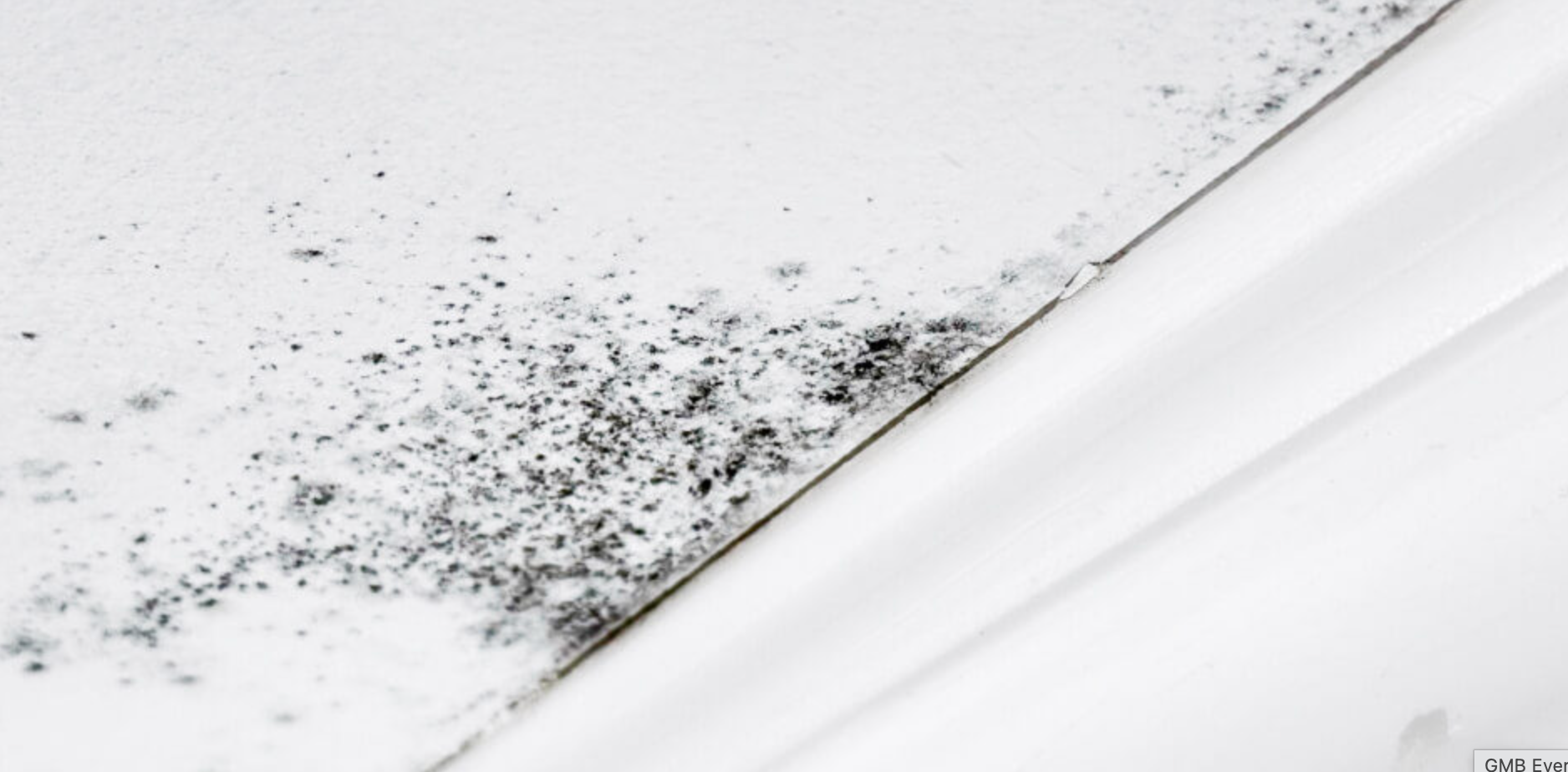
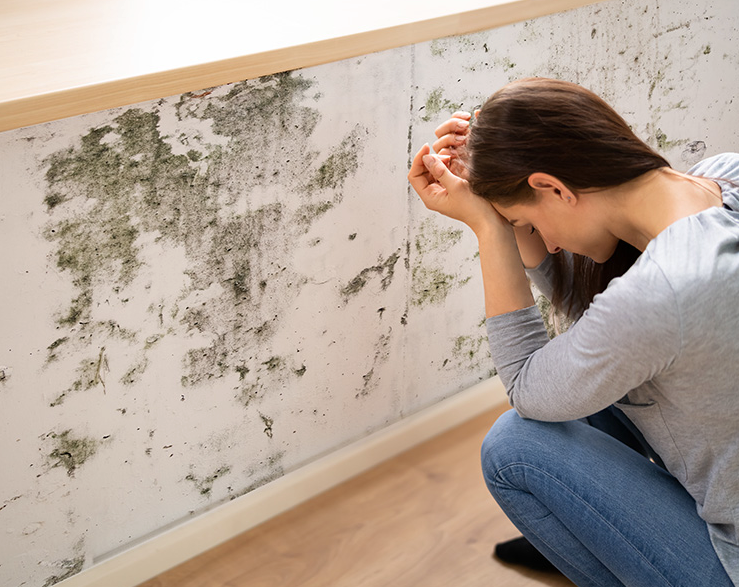
Decomposition releases moisture into the surrounding material. In attic insulation or wall cavities, that moisture can be sufficient to trigger mold growth. If the smell continues or intensifies after the initial decomposition cycle, mold may be the secondary issue.
Bacterial contamination
While airborne bacterial transmission from a decomposing animal in a closed wall cavity is low risk for healthy adults, it is a concern for immunocompromised individuals, infants, and elderly household members.
Why Does the Smell Come and Go?
If the odor fluctuates — stronger at certain times of day or in certain weather conditions — the intermittent pattern provides clues about the source.
Temperature-driven
Decomposition accelerates with heat. In DFW, where attic temperatures in spring and summer regularly exceed 130°F, a dead animal decomposes significantly faster than in cooler climates — and the odor peaks during the hottest part of the day. A smell that intensifies in the afternoon and fades overnight often points to an attic location.
HVAC-driven
If the smell is stronger when the air conditioning is running, the animal is likely inside or adjacent to the ductwork. Air movement through the system pulls the odor into the living space. When the system cycles off, the smell diminishes.
Pressure-driven (for sewer gas causes)
If the smell is more of a rotten egg or sewage odor rather than organic decay, and it intensifies before rain events, sewer gas from a dry P-trap may be the culprit — atmospheric pressure drops before storms allow sewer gas to migrate upward through evaporated drain seals.
Progressive timeline
A genuine dead animal smell follows a predictable arc. It builds for 3 to 5 days, reaches peak intensity at approximately the time full decomposition is underway (roughly 7 to 14 days depending on animal size and temperature), then slowly fades. In a DFW summer with attic temperatures near 130°F, this timeline compresses significantly.
The 5 Most Common Sources of the Smell
1. Dead Rodent or Pest in the Attic
North Texas is prime territory for mice, roof rats, squirrels, and raccoons seeking shelter — particularly during the seasonal transitions when outdoor temperatures shift. Spring is a high-activity period as animals that moved in during winter begin dying or become trapped.
Attic insulation provides insulation from temperature and a soft nesting environment. Dead animals in attic insulation are the most common cause of the odor, and in DFW's extreme summer attic temperatures, decomposition is rapid and the smell is intense.
Signs: The odor is strongest in the highest part of the home — often at ceiling-level rooms or near HVAC vents connected to attic air handlers. You may also notice increased fly activity in the attic access area.
2. Dead Animal in Wall Cavity or Ceiling Space
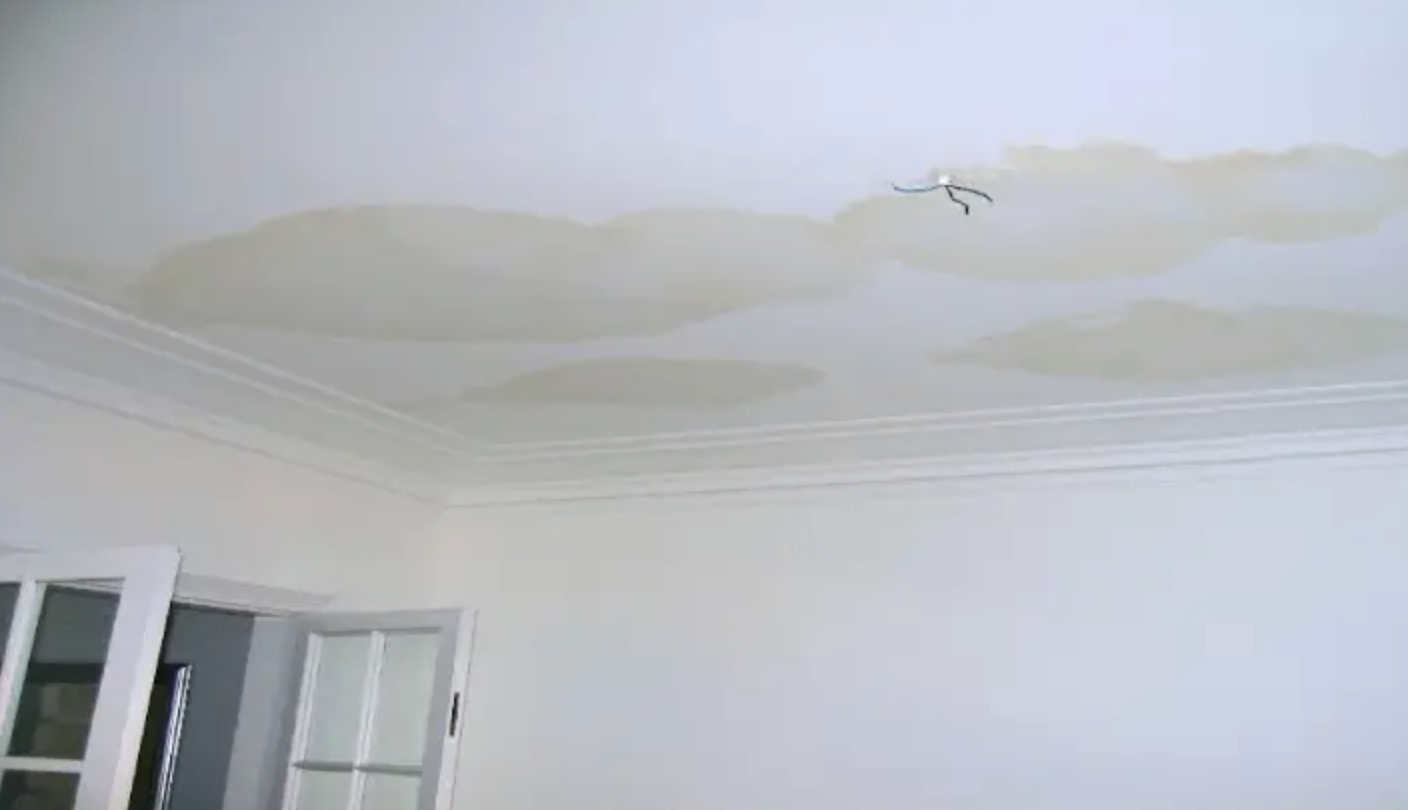
Animals can access wall cavities through exterior gaps, attic drop-downs, and utility penetrations. Once inside, they can become trapped or die. The smell comes out through electrical outlets, light switches, and any opening in the drywall.
Signs: The odor is localized to a specific wall section or room. Pressing your ear to the wall and listening for insect activity (fly larvae clicking) can help pinpoint the location. An infrared camera can sometimes detect the thermal signature.
3. Dead Animal in HVAC Ductwork
This is the highest-concern location because the HVAC system actively distributes the contaminated air throughout the home. A dead animal in a supply or return air duct creates odor that appears to come from multiple locations simultaneously.
Signs: Smell intensifies when the AC or heat is running. May be accompanied by visible debris or insect activity near vent covers. Odor comes from multiple rooms rather than a single location.
In DFW's climate: HVAC systems run almost year-round — roughly 8 to 9 months of significant usage — which means duct contamination from a dead animal disperses rapidly and broadly through the home.
4. Sewer Gas (Dry P-Trap or Failed Seal)
If the smell is more of a rotten egg, sulfur, or sewage character rather than the sweet-organic decay smell of a dead animal, sewer gas is the likely cause. The most common source is a dry P-trap — the curved section of drain pipe under sinks, tubs, floor drains, and laundry sinks that holds water as a gas barrier.
When a fixture isn't used for several weeks, the P-trap water evaporates. Guest bathrooms, garage floor drains, and utility sinks in DFW homes frequently go unused long enough for evaporation to occur, especially during the dry summer months.
Fix: Pour a quart of water (plus a tablespoon of cooking oil to slow evaporation) down each infrequently used drain. If the smell improves within a day, dry P-trap was the cause.
5. Mold in a Hidden Moisture Zone
A musty, damp, earthy odor that smells less like decay and more like a wet basement or old attic may be mold rather than a dead animal. Mold produces microbial volatile organic compounds (MVOCs) with an odor that's sometimes described as dirty socks, earth, or rotting wood.
In North Texas slab homes, mold odor often originates from under carpet and flooring installed over concrete, under kitchen or bathroom cabinets, or inside the HVAC air handler cabinet where condensate moisture accumulates.
How to Find a Dead Animal in Your House Without Finding It
Sometimes the source is clear. Often it isn't — particularly when the animal is inside a wall cavity or in a large attic with deep insulation.
Triangulate the smell. Move through the house systematically and identify where the odor is strongest. Use a flashlight to inspect attic spaces, paying attention to insulation disturbance (nesting signs) and any dark staining from decomposition fluids.
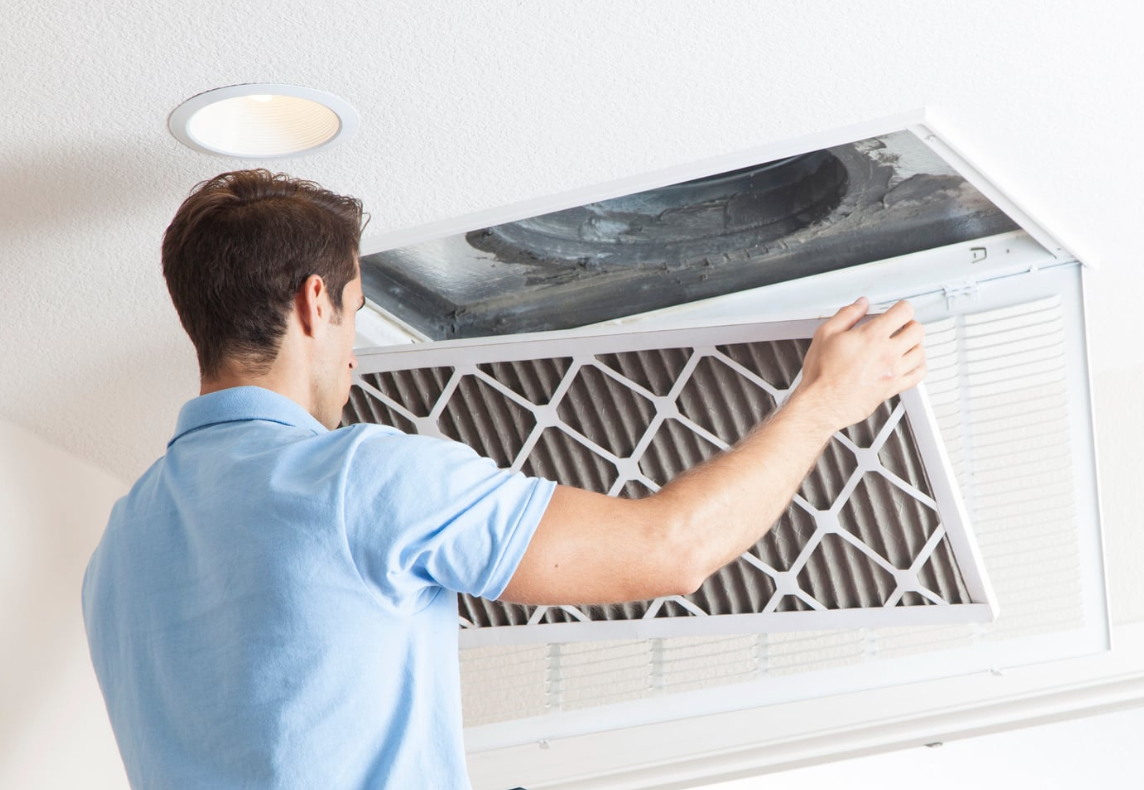
Check HVAC vent covers. Remove vent covers and use a flashlight to inspect accessible duct sections. Look for insect activity, dark staining, or debris.
Inspect exterior entry points. Fresh rodent entry signs — gnaw marks, rub marks (dark grease smears from fur contact), and droppings — near attic vents, roof soffits, and utility penetrations can confirm rodent activity even if the animal isn't immediately visible.
Call a professional if you can't locate it. Thermal imaging can detect the temperature differential from a decomposing animal in a wall cavity. Odor tracking using air sampling identifies where contaminated air is entering the living space.
What to Do When You Find It
Accessible locations (attic surface, under sinks)
Use gloves, an N95 respirator, and a sealed bag. Spray the area with a disinfectant enzyme cleaner before removal to reduce aerosolization. Dispose of the animal and any contaminated nesting material in a sealed bag.
Inaccessible locations (inside walls, ceiling cavities): The standard guidance is to wait for full decomposition (the smell will eventually stop). However, in DFW's climate where attic temperatures accelerate the process and HVAC systems can distribute contaminated air, this is often not a tolerable approach. Professional odor removal via targeted access is frequently the better option.
Contaminated HVAC ductwork
After animal removal, the ductwork should be professionally cleaned to remove biological contamination, insect casings, and any residual organic material from the air supply system. United Cleaning's IICRC-certified team handles duct cleaning as part of our odor remediation services.
Residual odor after removal
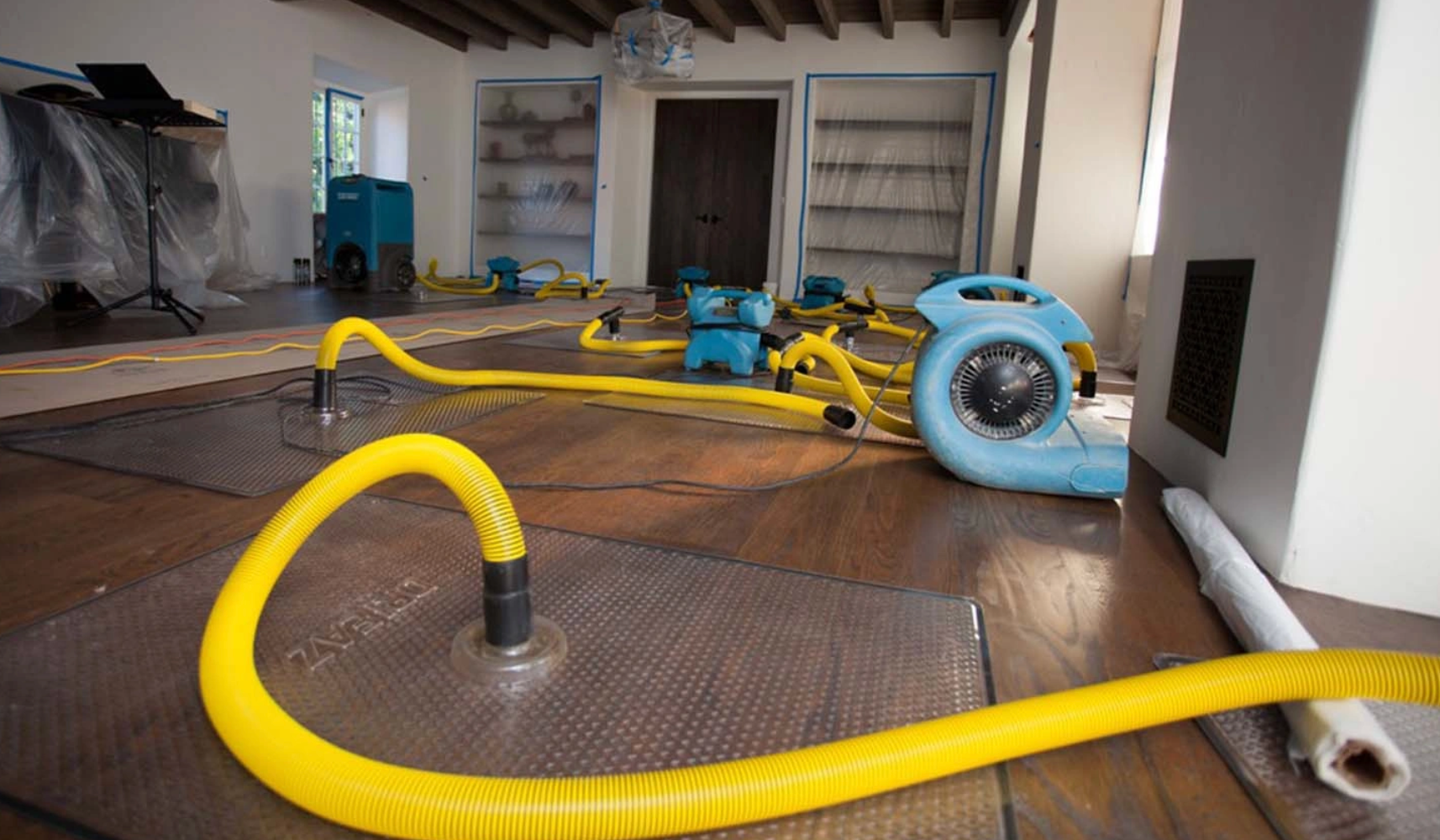
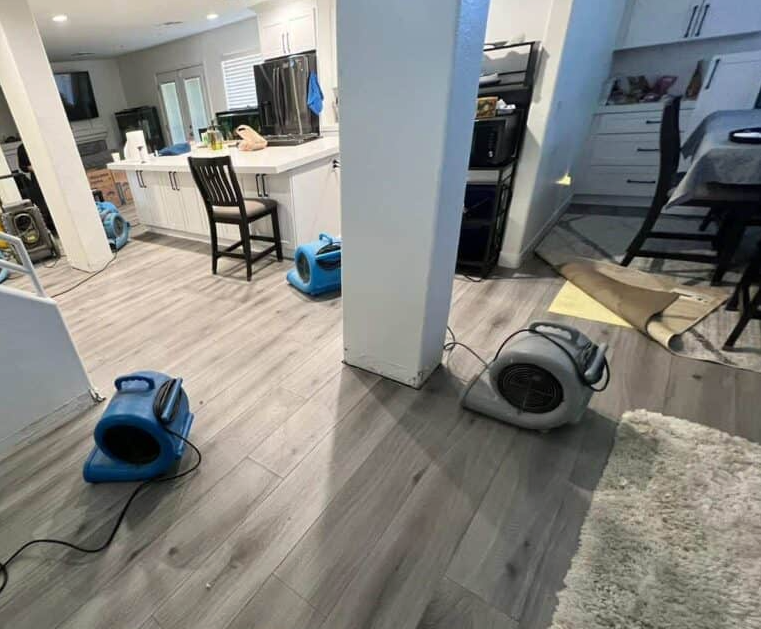
Once the source is gone, residual odor in drywall, insulation, or framing can persist for days to weeks. Enzymatic odor treatment, air scrubbing with HEPA filtration, and in some cases material removal may be needed to fully resolve the problem.
United Cleaning & Emergency Restoration
We've helped DFW families resolve odor problems since 1979 — dead animals, mold, sewage events, and everything in between. Our IICRC-certified technicians have the equipment and experience to locate the source, remove it safely, treat the affected area, and restore your home's air quality.
When you don't know what you're dealing with, we'll figure it out — and fix it.
Call us at 817-268-6531. We serve Hurst, Euless, Bedford, Colleyville, Grapevine, and the broader DFW Metroplex. 108 Holder Dr, Hurst TX 76053.