Hail and Storm Damage in Tarrant County: What You Need to Know
Hail and storm damage in Tarrant County requires two things within 48 hours: emergency temporary protection to stop weather from entering the structure, and professional interior water damage mitigation if the storm created any roof or wall breach — because the window between initial storm damage and secondary mold growth in DFW's warm, humid climate is shorter than most homeowners expect, and interior damage that looks minor from the ground can represent thousands of dollars of hidden water intrusion inside walls and attic spaces.
The Dallas-Fort Worth Metroplex sits in one of the most severe hail corridors in the United States. Tarrant County averages multiple significant hail events per year, and the spring and summer storm seasons bring derecho-force wind events, golf ball and baseball-sized hail, and occasional tornado touchdowns that leave homeowners navigating damage claims with little guidance on what the process actually involves. This guide covers what hail and storm damage does to a structure, what you should do in the first 48 hours, how your Texas homeowners insurance covers it, and why storm damage restoration is different from — and complementary to — a roofing repair.
What Hail Actually Does to a Home
Not all hail damage is immediately visible. Understanding how different building components are affected helps you know what to inspect — and what to ask about during a damage assessment.
Roofing
Asphalt shingles — the most common roofing material on Tarrant County homes — absorb hail impact in two ways. Smaller hail (under 1 inch) may cause bruising: the granule coating that protects the asphalt mat is knocked loose, accelerating UV degradation and reducing the shingle's remaining lifespan even if the roof doesn't leak immediately. Larger hail (1 inch and above) causes visible punctures, cracks, and shingle breaks that create immediate water intrusion pathways. DFW regularly sees golf ball-sized hail (1.75 inches) and larger during severe spring and summer storms — the kind that creates visible damage immediately rather than over time.
Metal roofing, tile, and wood shake shingles react differently to hail, but all are vulnerable to significant impact events. What matters for your claim is that hail damage to roofing is an insured loss under the wind and hail coverage section of your Texas homeowners policy — but only if documented promptly before weathering further degrades the visible evidence.
Gutters and Downspouts
Gutters are one of the easiest places to confirm hail damage: impact dents are clearly visible in aluminum gutters and leave a pattern that documents hail size and concentration. Adjusters look at gutter damage as a corroborating data point for roof claims — if gutters are heavily dented, the roof was similarly exposed.
Siding
Vinyl siding cracks and punctures from hail impacts, particularly when the storm occurs during cooler months when vinyl becomes more brittle. Wood siding shows splitting and surface gouging. Both types of siding damage create water intrusion points that allow moisture to enter the wall assembly behind the siding — often causing hidden water damage to the sheathing and framing that isn't apparent until mold or rot develops.
Windows and Screens
Window screens are frequently destroyed in significant hail events and are a visible, documentable indicator of storm exposure. Window frames and glass can crack or break from large hail, creating immediate water intrusion points at the window opening.
HVAC Equipment
Outdoor AC condensers and heat pump units located on the exterior of the home are directly exposed to hail and can sustain significant damage to cooling fins, fan blades, and refrigerant coils. A damaged condenser may still function immediately after a storm but with degraded efficiency, and the damage is typically covered under the same storm claim as the rest of the structure.
How Storm Damage Creates Interior Water Problems
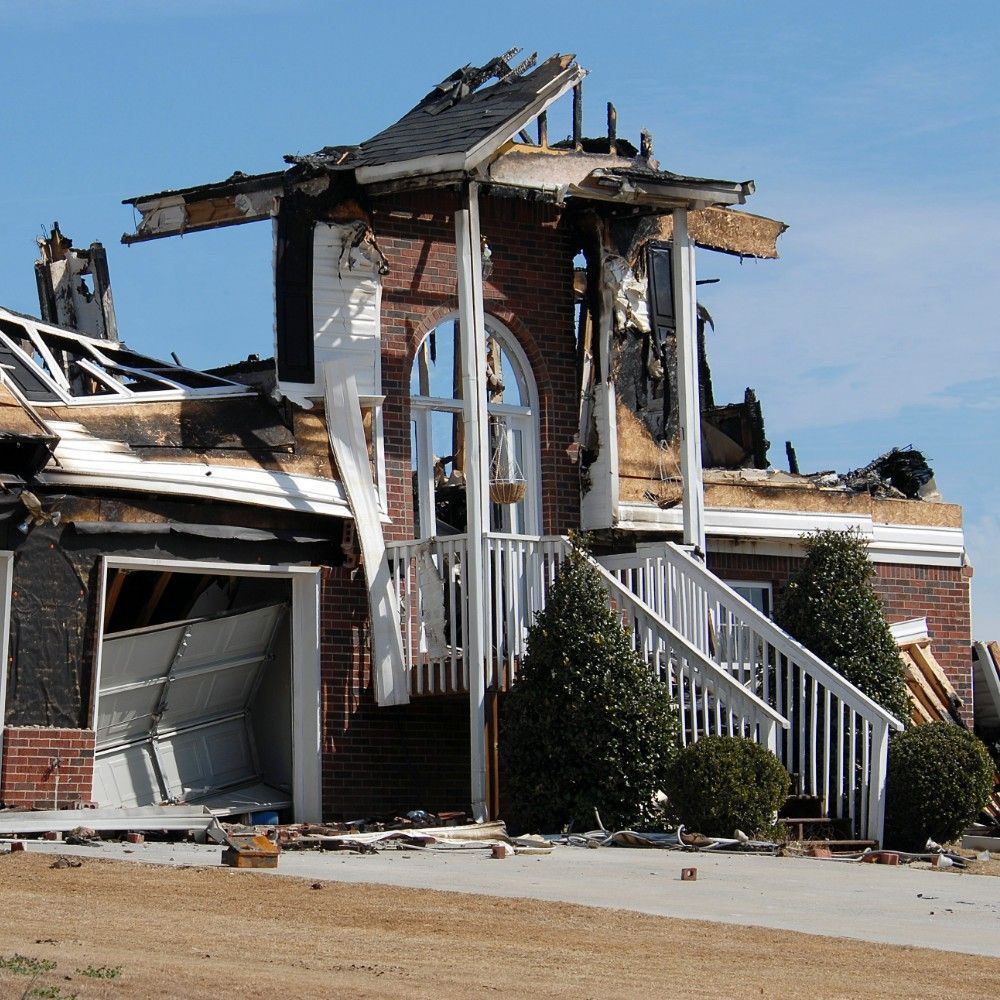
This is the aspect of storm damage that DFW homeowners most frequently underestimate: the damage you can see from the ground — missing shingles, cracked siding, broken windows — is the entry point for water damage that may be spreading inside the structure right now.
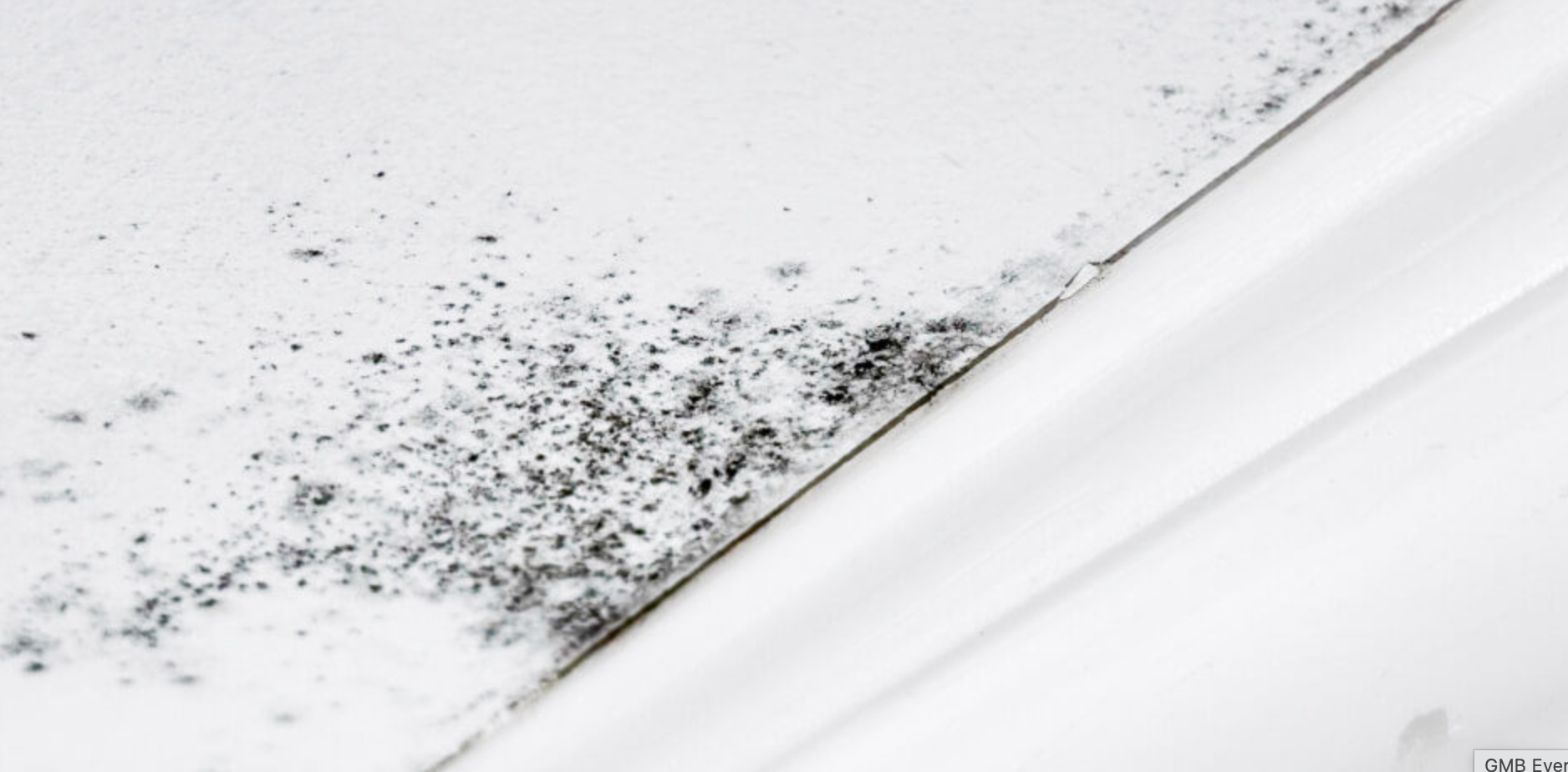
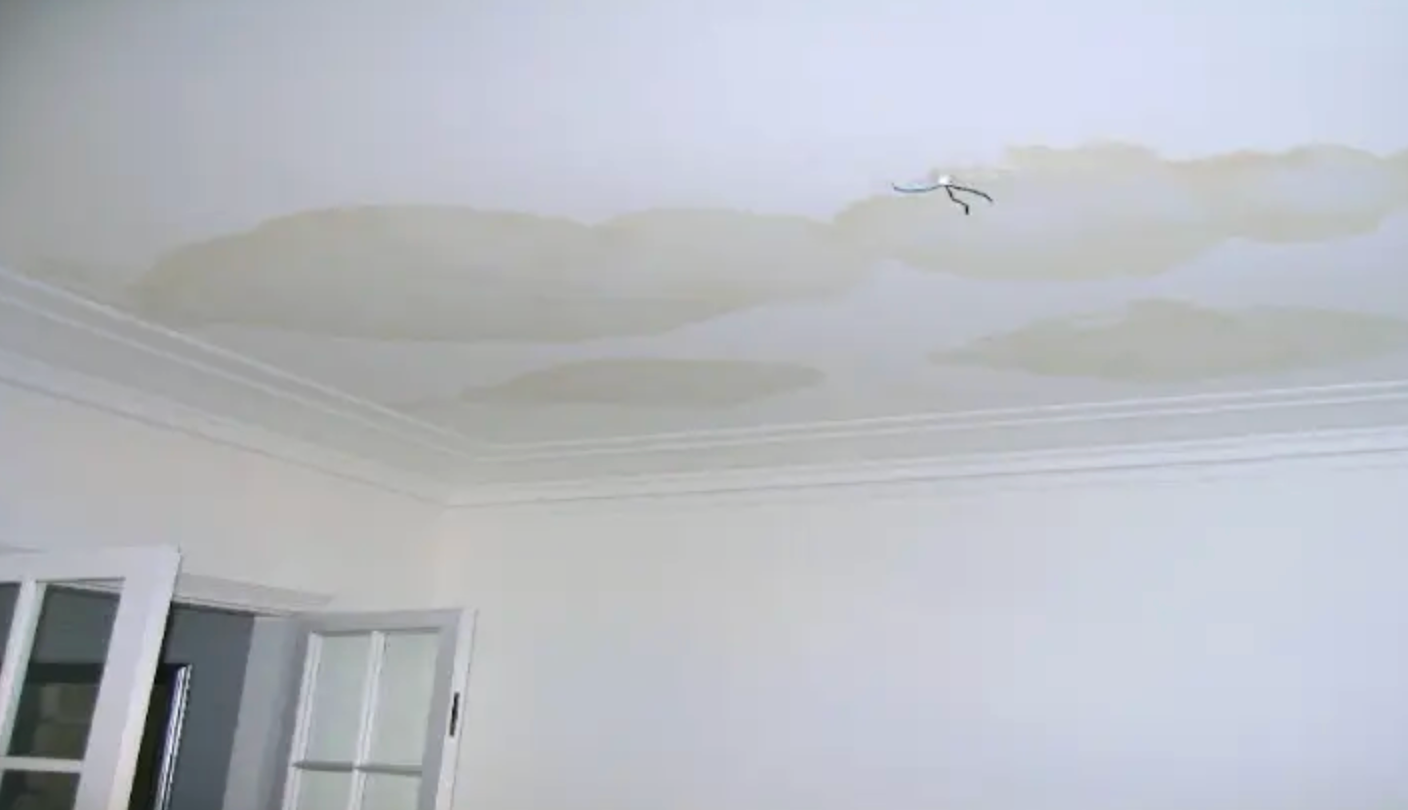
A roof breach from hail or wind allows water to enter the attic, where it saturates insulation, soaks the roof decking, and — if left unaddressed — begins migrating through the ceiling drywall into living spaces below. In DFW's warm summer climate, mold can begin developing in wet attic insulation within 24 to 48 hours. By the time water staining appears on interior ceilings, the attic above may already have significant mold growth in the insulation and on the decking.
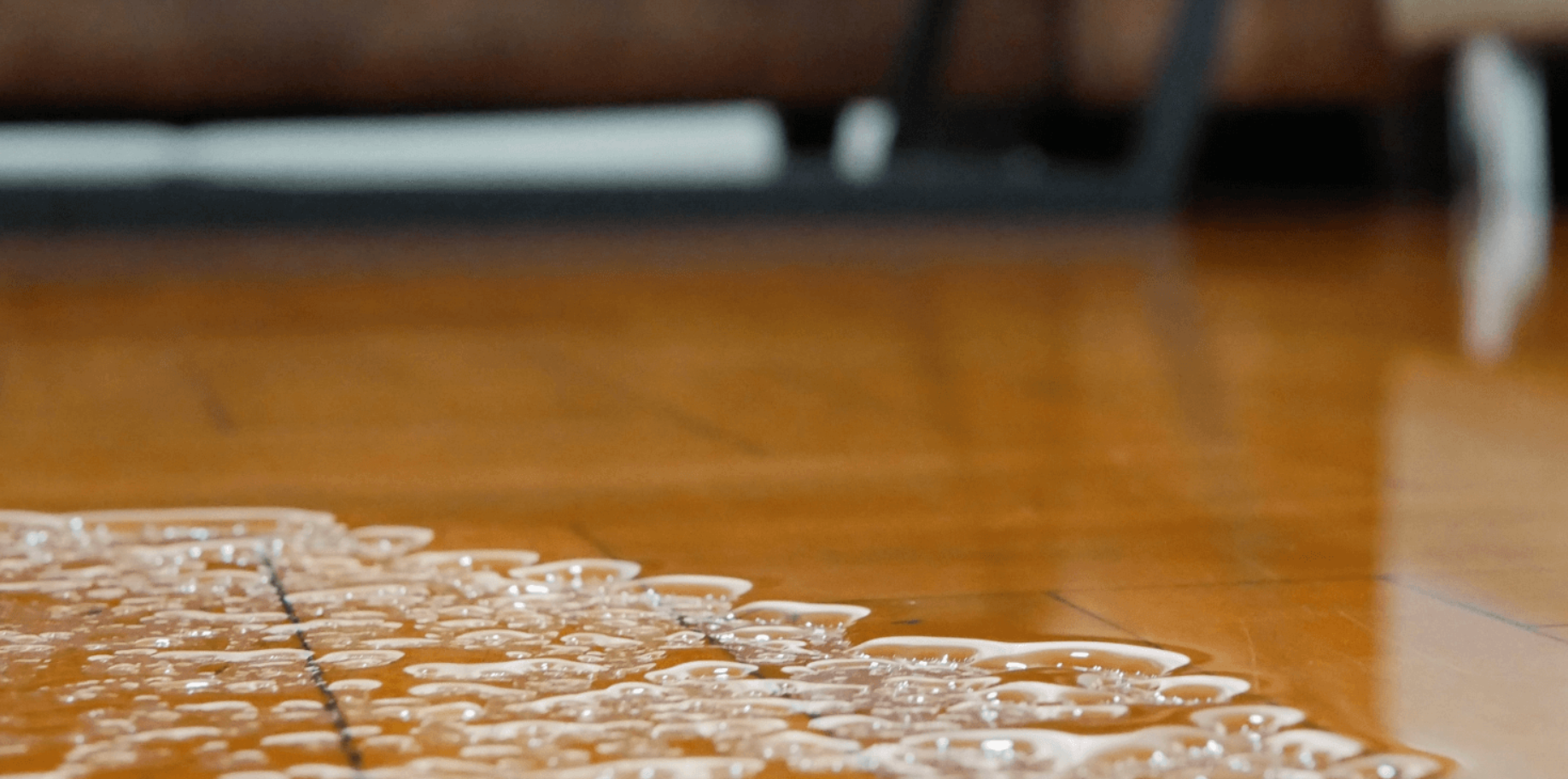
A cracked or missing siding section exposes the wall assembly below — typically OSB or plywood sheathing, house wrap, and the wall framing — to direct water intrusion. This water travels down the wall cavity, pooling at the bottom plate and floor assembly, and begins saturating drywall from behind. The interior surface of the wall may look perfectly normal while the inside of the cavity is wet.
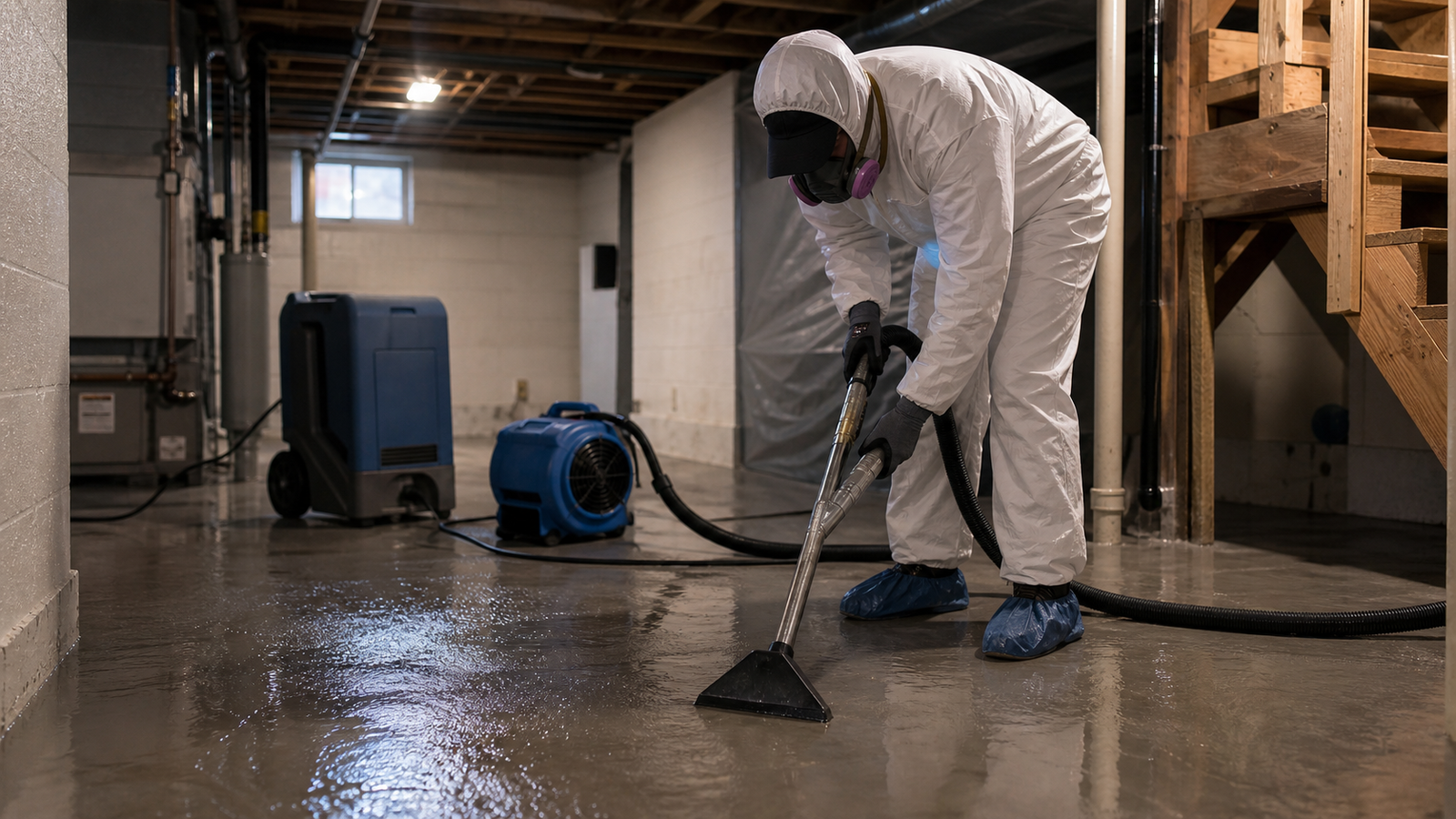
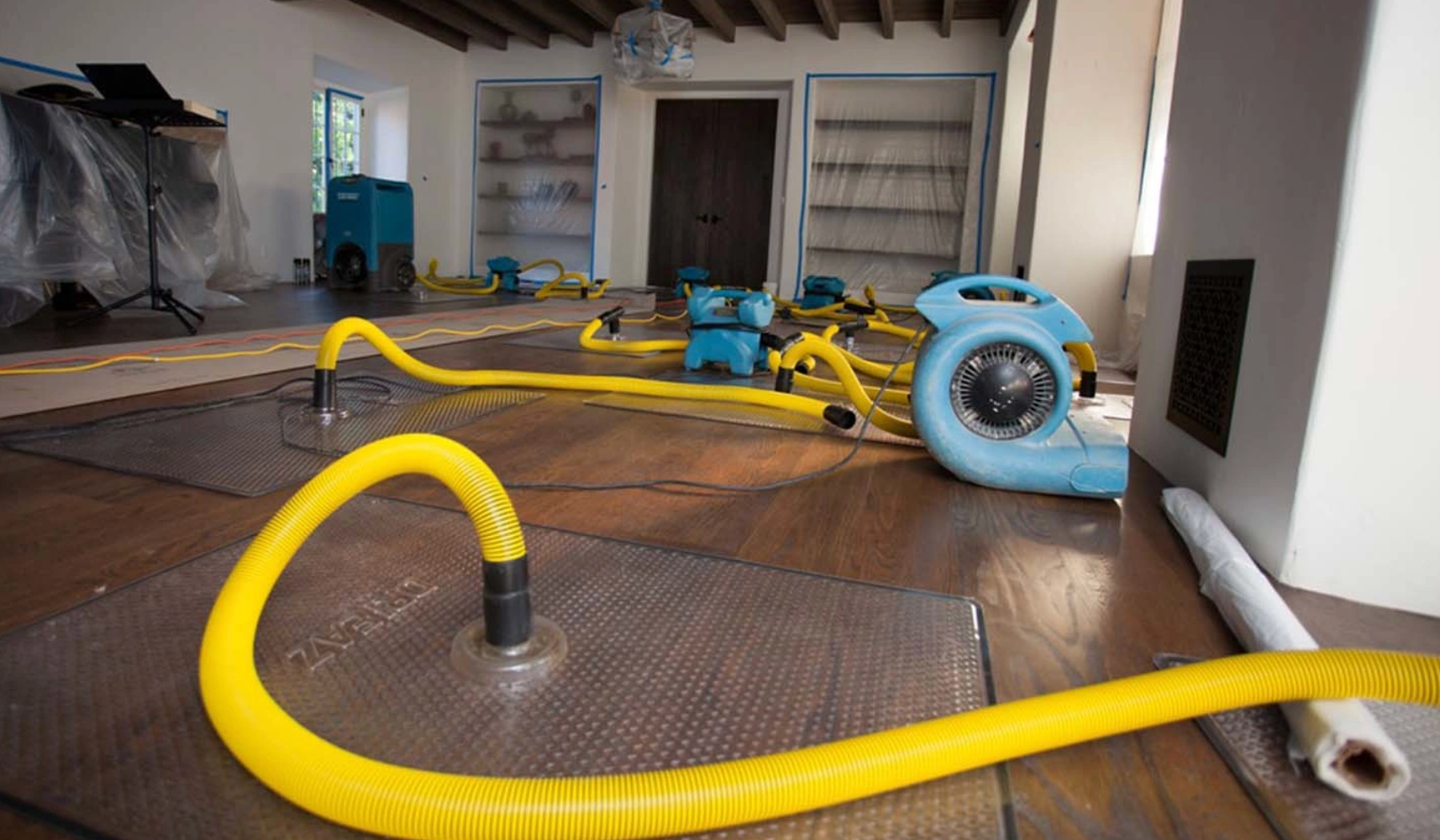
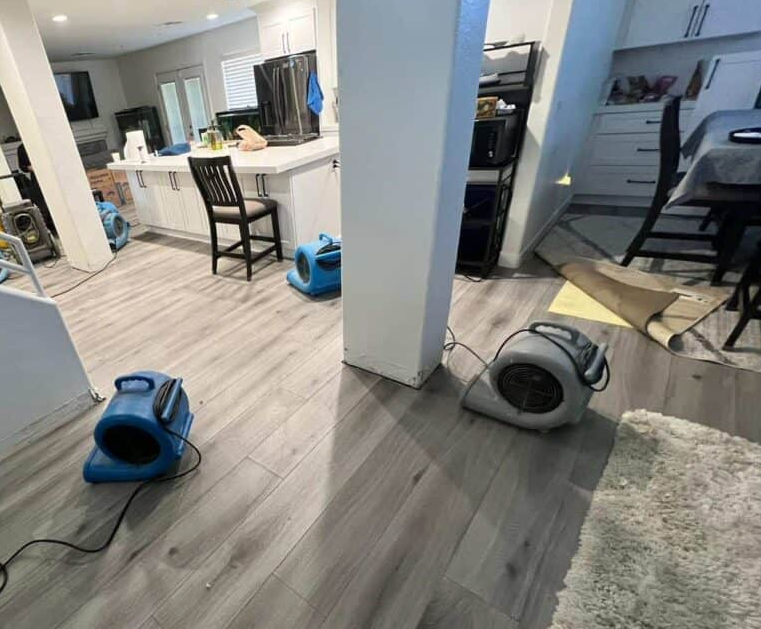
This is why the 48-hour mitigation window matters. Getting a restoration company into the structure to assess and begin drying moisture that entered through storm breaches is not optional — it's the difference between a water damage event that ends when the tarping goes on and one that becomes a mold remediation project weeks later.
What to Do in the First 48 Hours After Storm Damage
Stay safe — don't go on the roof. Post-storm roofs may have weakened sections, debris, and standing water that make walking them dangerous. Inspect from the ground and from inside the attic if it's safely accessible.
Document everything before any cleanup begins. Photograph the entire exterior — all four sides — including the roof as much as is visible from ground level. Document gutter damage, siding damage, window damage, and any fallen debris. Take interior photos of any water staining, leaks, or wet insulation visible in the attic. Timestamp is automatic; take more photos than you think you need.
Call a restoration company for emergency tarping and board-up. If your roof has visible damage or missing shingles, emergency tarping prevents continued water intrusion until a permanent repair is made. This is not the same as the permanent roof repair — it's temporary protection that stops the damage from growing while your insurance claim is being processed. A properly installed roof tarp, extended past the ridge of the roof and secured with battens, not just stapled over the damaged area, is what your insurer expects to see as evidence of reasonable loss mitigation.
Call your insurance company to open a claim. Under Texas Insurance Code Chapter 542, your insurer's response clock begins when you notify them. Open the claim the same day as the storm if possible, and definitely within 24 hours. Have your documentation photos ready when you call.
Have the interior assessed for moisture — even if you don't see active leaking. Water that entered through a roof breach may be sitting in the attic, inside wall cavities, or under flooring without visible evidence in the living space yet. A professional moisture assessment with calibrated meters identifies hidden water before it becomes a mold problem.
Why Storm Damage Restoration Is Different From a Roofing Repair
This distinction matters and causes significant confusion for homeowners navigating their first major storm claim.
A roofer repairs or replaces the roof. That addresses the water entry point — but it doesn't address any water that already entered the structure before the roof was repaired. If your roof had a breach for 12, 24, or 48 hours before the tarp went on, water entered the attic and potentially the wall assemblies. That water requires professional extraction, drying, and documentation to prevent mold — work that is within the restoration company's scope, not the roofer's.
Additionally, many homeowners manage their storm claims through the roofer alone — particularly in DFW where roofing companies aggressively market their claims assistance services after major hail events. A roofer can document roofing damage effectively, but their scope of work and their claim documentation typically stops at the roof line. The interior water damage that resulted from the storm breach — often a larger dollar figure than the roof itself once walls and insulation are included — requires a restoration company's scope of loss to be properly captured in the claim.
United Cleaning & Restoration handles the interior damage side of storm events, often working in coordination with the homeowner's chosen roofer. We assess and document interior water damage, provide emergency tarping and board-up, dry the structure, handle any mold that developed, and prepare the interior scope of loss for your insurance claim — ensuring that the full cost of the storm damage is captured and submitted.
How Texas Homeowners Insurance Covers Hail and Storm Damage
Texas homeowners policies (HO-3) cover hail and windstorm damage as named perils under the dwelling coverage section. This coverage includes:
- Roof repair or replacement resulting from hail or wind damage
- Siding, gutters, and exterior structure damage from the same storm event
- Interior water damage resulting from a covered storm breach — if the water entered through a storm-damaged opening, the resulting interior damage is part of the same covered loss
- Damaged personal property inside the home that was affected by the storm water intrusion
- Additional Living Expenses (ALE) if the damage makes the home temporarily uninhabitable
Important Texas-Specific Coverage Notes
Separate wind and hail deductibles: Many Texas homeowners policies carry a separate, percentage-based deductible specifically for wind and hail claims — often 1% to 2% of the home's insured value. On a $350,000 home, a 2% wind/hail deductible is $7,000 out of pocket before insurance pays. Know your deductible before a storm hits, not after.
The mitigation requirement: Texas homeowners policies require the policyholder to take reasonable steps to prevent further damage after a covered loss. Leaving a storm-damaged roof without tarping, or failing to extract water that entered through a breach, can result in the insurer arguing that secondary damage — the mold, the rotted decking, the saturated wall assembly — was avoidable and therefore not covered. Emergency mitigation within 48 hours is both practical and legally important for your claim.
Texas Insurance Code Chapter 542: Your insurer must acknowledge your claim within 15 days and accept or deny within 15 business days of receiving complete documentation. A well-documented claim — photos from before and after mitigation, moisture readings, professional scope of loss — moves through this process without delays. An undocumented claim gives the insurer more room to dispute scope and value.
Hail and Storm Damage in Tarrant County: What the History Tells Us
Tarrant County's geography places it squarely in the path of severe weather systems that develop along the dry line — the boundary between moist Gulf air and dry continental air that runs through North Texas on many spring and summer days. When atmospheric instability combines with this moisture boundary, the DFW area produces some of the most intense hailstorms in the United States.
Notable hail events in Tarrant County history include storms producing baseball-sized hail across Fort Worth, Arlington, and Hurst — events that caused hundreds of millions of dollars in insured losses and overwhelmed local roofing and restoration capacity for months. Homes in Colleyville, Southlake, Keller, and North Richland Hills have been hit multiple times in a single decade. The question for most Tarrant County homeowners isn't whether they'll experience significant hail damage — it's when, and whether they'll be prepared.
What to Do While Waiting for the Adjuster
After a major storm event in DFW, insurance adjusters are typically scheduling weeks out due to claim volume. This does not mean you wait to protect the structure:
- Emergency tarping and board-up can and should happen within 24 to 48 hours, before the adjuster arrives
- Interior moisture assessment and drying can begin before the adjuster visit — this is your right and responsibility under your policy
- Keep all receipts for emergency mitigation costs — these are recoverable under your policy
- Do not make permanent repairs until the adjuster has documented the damage — but temporary protection is both allowed and required
United Cleaning & Restoration coordinates directly with adjusters and provides the documentation they need — moisture readings, scope of loss reports, photo documentation of all stages — to support your claim through the entire process.
United Cleaning & Restoration: Storm Damage Response Across Tarrant County
Since 1979, United Cleaning & Restoration has helped homeowners throughout Tarrant County and the DFW metroplex navigate storm and hail damage — from emergency tarping and board-up through interior water damage restoration, mold prevention, and complete reconstruction. We know DFW's storm patterns, Tarrant County's housing stock, and Texas insurance claim requirements better than any out-of-state storm chaser that rolls in after a hail event and rolls out before the job is finished.
We serve Hurst, Fort Worth, Arlington, Bedford, Euless, North Richland Hills, Haltom City, Colleyville, Watauga, Keller, Mansfield, Saginaw, and communities throughout Tarrant County. Available 24/7 — including during and immediately after storm events.
Call (817) 268-6531 as soon as storm damage is discovered. Learn more about our storm damage restoration services, our water damage restoration process, and our 24/7 emergency response capabilities. For insurance questions, see our guide: Does Homeowners Insurance Cover Water Damage in Texas?