How to Tell If You Have Mold Inside Your Walls
You may have mold inside your walls if you notice a persistent musty odor that doesn't go away with cleaning, visible discoloration or staining on drywall that keeps returning, soft or warped sections of wall, or unexplained allergy and respiratory symptoms in your home - and in DFW's hot, humid climate, hidden wall mold is more common than most homeowners realize because moisture that enters walls from plumbing leaks or condensation can support mold growth even when the surface looks completely dry.
This is one of the more frustrating problems in home ownership - damage that's actively getting worse inside your walls while nothing visible on the surface tells you it's happening. In Tarrant County's climate, where summer temperatures regularly exceed 100°F and humidity stays high, the conditions inside walls and building cavities can accelerate mold growth dramatically once moisture is introduced. Here's how to recognize the signs and what to do about them.
Why DFW Homes Are Particularly Susceptible to Wall Mold
Several factors specific to the Dallas-Fort Worth area create conditions where hidden wall mold is more likely to develop:
Hot, humid summers
From May through September, DFW's combination of high temperatures and elevated humidity creates an aggressive environment for mold growth inside building cavities. Mold thrives between 60°F and 90°F with relative humidity above 60% - conditions that exist inside walls during the Texas summer, particularly in walls that face west or where HVAC ductwork runs nearby.
Slab foundations
Most Tarrant County homes sit on concrete slab foundations. When plumbing under or near the slab fails - even slowly - moisture can wick up through the slab and into wall base plates, framing, and drywall from below. This kind of intrusion is often invisible on the surface until mold is well established behind the wall.
AC condensate systems
Texas AC systems run nearly year-round and produce significant condensate water. Condensate drain pan overflows, cracked drain lines, or improperly sloped drain runs can drip water into wall cavities adjacent to air handlers for weeks before the problem is discovered.
Older housing stock
Many homes in Hurst, Bedford, North Richland Hills, and other Tarrant County cities were built in the 1970s and 1980s with plumbing materials (galvanized steel, polybutylene pipe) that have higher failure rates in aging homes. Slow, undetected leaks from these systems are a primary cause of hidden wall mold.
Signs You Have Mold Inside Your Walls
1. Persistent Musty Odor
This is the most reliable early indicator. A musty, earthy smell that persists even after cleaning, ventilating, and investigating obvious sources is the characteristic scent of microbial volatile organic compounds (MVOCs) produced by actively growing mold. If the odor is strongest in a specific room, near a particular wall, or in an area below a bathroom or near a water-using appliance, that location deserves closer attention.
The odor is often worse when the HVAC system is running, because air movement through cavities carries the odor into living spaces. Some homeowners notice it most strongly when they first turn on the AC after a period of non-use.
2. Visible Wall Staining or Discoloration
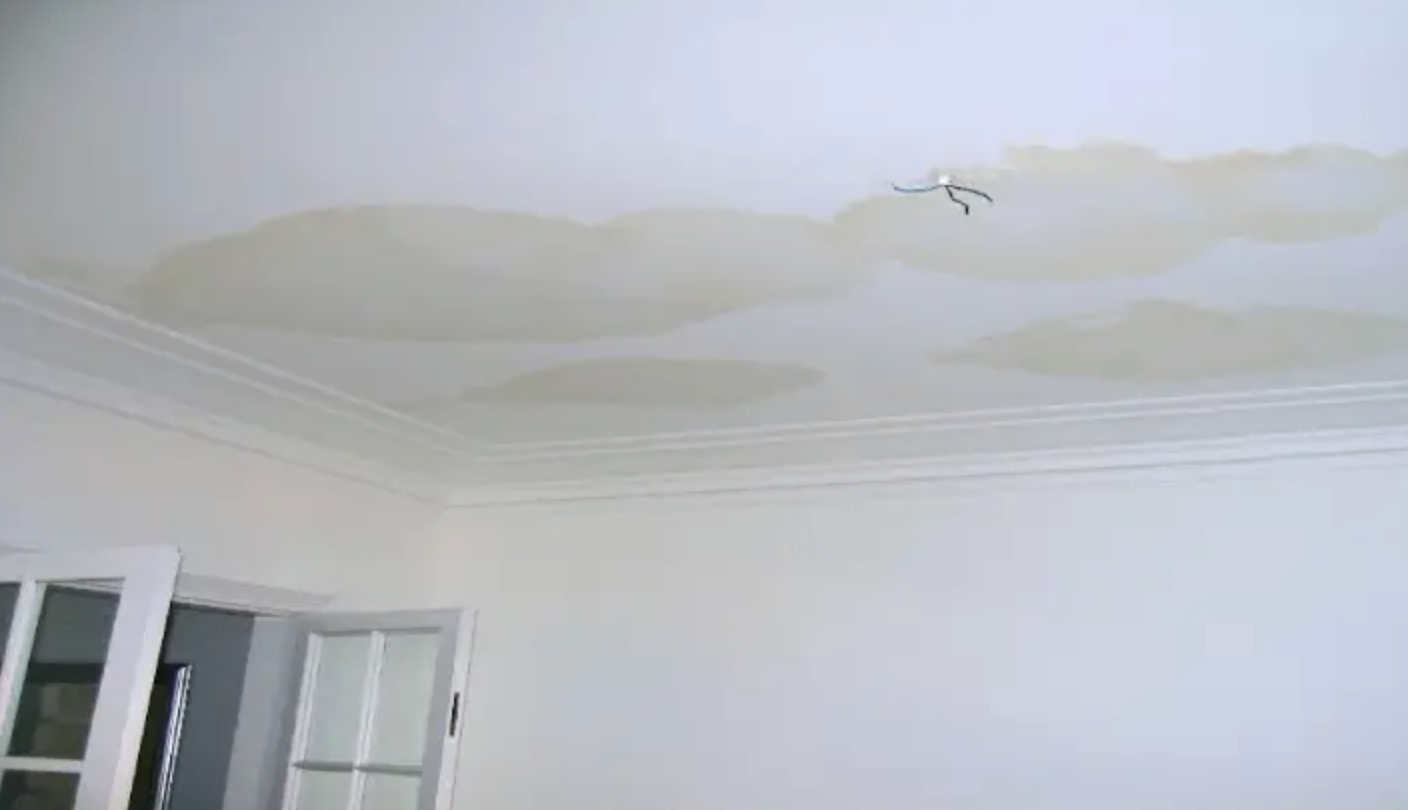
Look for irregular discoloration - often dark gray, brown, or greenish - on walls, particularly near floor level, behind furniture that sits against exterior walls, around window frames, or near the ceiling directly below a bathroom or laundry room above. Staining that returns after painting, or that appears in areas with no obvious moisture source, suggests the problem is behind the surface.
Paint that is bubbling, peeling, or showing an irregular texture in a localized area is often moisture migrating through drywall from behind - a sign the drywall itself has absorbed water.
3. Soft, Warped, or Spongy Drywall
Press lightly on areas of concern. Drywall that has absorbed significant moisture will feel soft, may flex under light pressure, or may have a slightly different texture than the surrounding wall. In more advanced cases, drywall may visibly bow or warp outward. This is structural deterioration of the drywall itself and indicates water intrusion that has been occurring for some time.
4. Respiratory Symptoms or Allergy Flare-Ups
If members of your household are experiencing persistent or worsening allergy symptoms - sneezing, nasal congestion, eye irritation, coughing, or skin irritation - that improve when they leave the home and return when they come back, indoor mold is one of the primary suspects. This pattern is clinically significant: symptoms tied to time spent in a specific building are characteristic of indoor air quality issues.
This symptom pattern may be the only indicator of hidden mold in a home where the structural signs aren't yet visible on the surface.
5. History of Water Damage
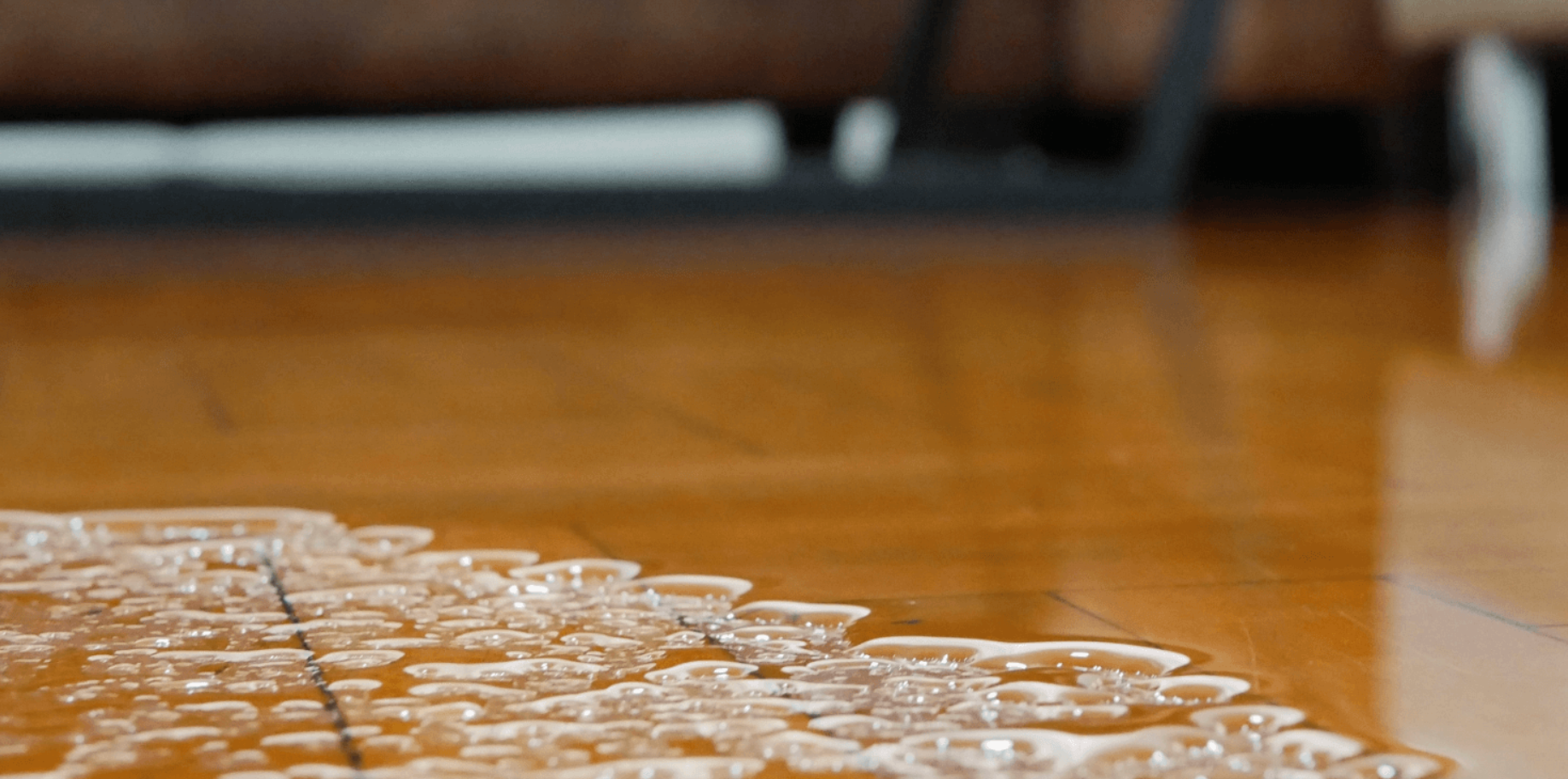
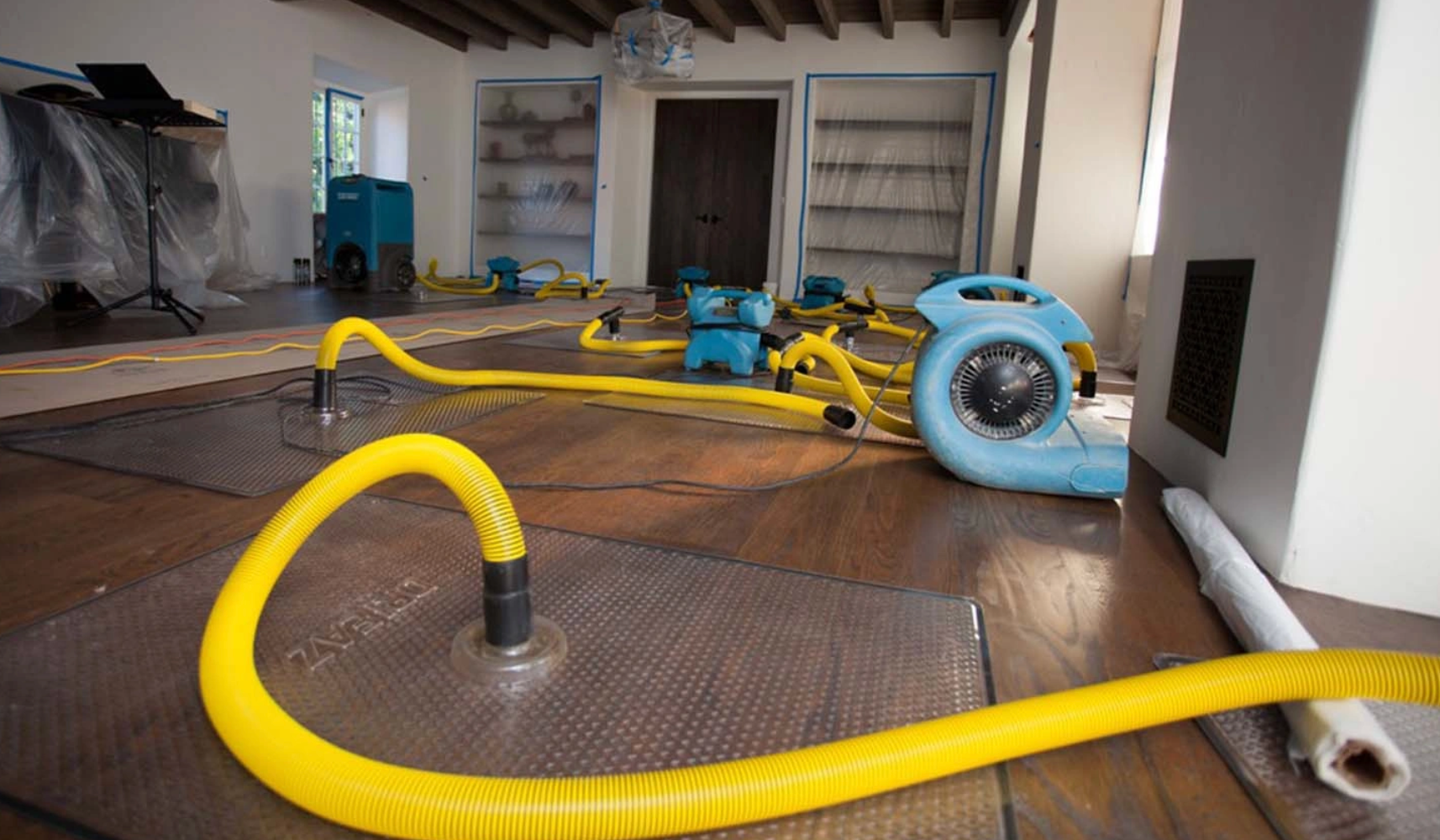
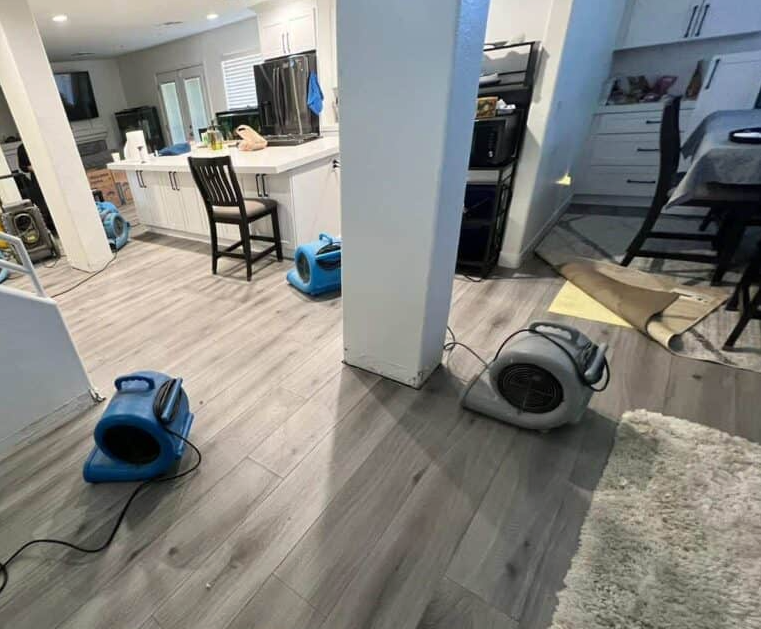
If your home had a water damage event - a pipe burst, appliance leak, roof leak, or flooding - that was dried with household fans only (no commercial drying equipment), the probability of hidden wall mold is high. Surface drying without addressing moisture inside wall cavities, under flooring, and in insulation is one of the most common scenarios that leads to a mold discovery 2-6 months after an original water event.
What Mold Inside Walls Looks Like When Found
When walls are opened during a professional assessment or during remediation, hidden wall mold typically appears as one of the following:
- Dark black or greenish-black growth on the back face of drywall (the side facing the wall cavity)
- White or gray fuzzy growth on wood framing studs, particularly at the base near the sill plate
- Dark staining across batt insulation, which is one of the most hospitable environments for mold growth due to its moisture retention and low airflow
- Surface growth on the interior face of the drywall in colors ranging from white to green to black, depending on the mold species
Mold color is not a reliable indicator of danger - the "black mold" concern that many homeowners focus on refers to Stachybotrys chartarum, which requires chronically wet conditions to grow and is actually less common than other mold species. All active mold growth in a living space warrants professional remediation regardless of color.
What to Do If You Suspect Mold in Your Walls in Texas
Don't Cut Into the Wall Yourself
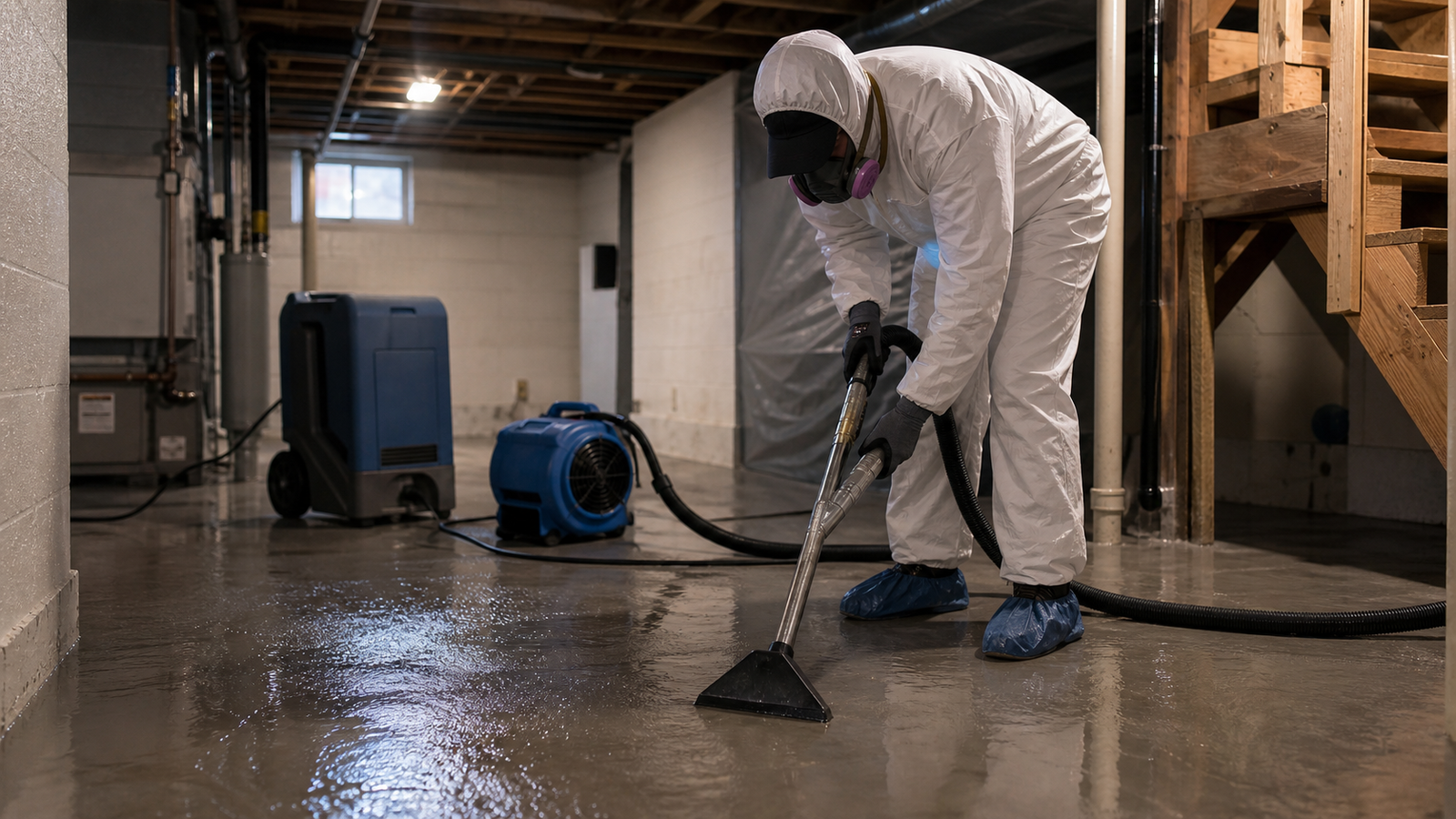
Opening a wall without containment releases mold spores into the rest of the home and can spread contamination to areas that were previously unaffected. Professional mold remediation involves establishing negative air pressure containment in the work area so that spores from opened walls don't migrate during the remediation process.
Don't Rely on Surface Treatment
Painting over discoloration, applying bleach to a wall surface, or sealing visible staining will not resolve mold inside the wall cavity. These approaches address what you can see on the surface while the active mold colony continues growing behind it. California mold law and professional remediation standards both define effective remediation as addressing the source - which means both removing the mold and eliminating the moisture condition that supports it.
Call a Certified Mold Remediation Professional
A professional assessment includes moisture meter readings through the wall surface (which detect elevated moisture behind drywall without opening it), thermal imaging in some cases, and professional judgment based on the history, symptoms, and physical inspection. This assessment tells you whether the problem is confirmed, where it's located, and what the remediation scope involves - before any work begins.
United Cleaning & Restoration has been performing mold assessments and remediation for Tarrant County homeowners since 1979. Our IICRC-certified technicians use professional-grade moisture detection equipment to locate hidden wall mold without unnecessary exploratory demolition, and we document our findings in the format required for insurance claims.
Is Mold Covered by Homeowners Insurance in Texas?
This depends on the cause. If mold developed as a direct result of a covered water loss - a sudden pipe burst, appliance failure, or storm damage - the mold remediation is generally covered under the same claim as the original water damage. Texas homeowners insurers often include mold coverage limits (typically $5,000-$10,000) in standard policies, though some policies require a separate mold endorsement.
If the mold developed from a slow, undetected leak over a period of months, insurers will typically categorize this as a maintenance issue rather than a covered sudden loss, and the claim may be denied. This is why acting on water damage quickly - and ensuring it's properly dried - is the single most effective thing you can do to avoid a denied mold claim.
See our related guide: Signs Your Home Has Hidden Water Damage
United Cleaning & Restoration: Mold Assessment Across Tarrant County
If you're seeing the signs of hidden wall mold or have recently had a water event that wasn't professionally dried, don't wait for the problem to become visible. United Cleaning & Restoration serves Hurst, Fort Worth, Arlington, Bedford, Euless, North Richland Hills, Haltom City, Colleyville, Watauga, and all of Tarrant County.
Call (817) 268-6531 to schedule a mold assessment, or learn more about our mold remediation services. We're available 24/7 for emergency situations.