When Should You Clean Your Air Ducts?
How Often Should You Clean Your Air Ducts?
You should clean your air ducts every 3 to 5 years under normal conditions — but sooner if you notice visible dust blowing from vents, a musty odor when the HVAC runs, increased allergy symptoms in the home, or following any event involving water damage, mold, or pest activity in the ductwork.
The National Air Duct Cleaners Association (NADCA) recommends cleaning every 3 to 5 years as a general guideline. The EPA takes a more conservative position: clean when there's evidence of a problem, not on a fixed schedule. In practice, the North Texas climate creates conditions that move most DFW homes toward the more frequent end of that range.
Signs Your Air Ducts Need Cleaning Now
1. Visible Dust Discharge at Vents
When you start the HVAC system after a period of downtime, some dust release is normal. What's not normal: visible dust puffing out of vents continuously during normal operation, or a visible ring of settled dust on the vent cover that accumulates faster than your other surfaces.
This is one of the clearest indicators that duct cleaning is overdue. The supply vents are distributing what's accumulated inside the ductwork into your living space on every air cycle.
2. Musty or Stale Odor When the System Runs
A musty smell that appears when the HVAC kicks on — particularly if it's distinctly different from the normal smell of conditioned air — often indicates biological growth inside the system: mold on the evaporator coil, mold inside the ductwork, or accumulated organic material (dead insects, dust mites, debris) producing microbial volatile organic compounds.
This is a don't-ignore sign. It means the HVAC system is actively distributing contaminated air into your living space.
3. Persistent Allergy or Respiratory Symptoms at Home
If household members experience sneezing, congestion, coughing, or eye irritation primarily when the HVAC is running — and symptoms improve when windows are open or when you're outside the home — duct contamination is a likely contributing factor.
In DFW, this symptom pattern is frequently attributed to outdoor pollen (the Metroplex is consistently in the top tier for pollen counts nationally). But if symptoms persist year-round or are worst in the hours after the HVAC runs, indoor air quality deserves investigation.
4. Following Any Water Damage or Mold Event
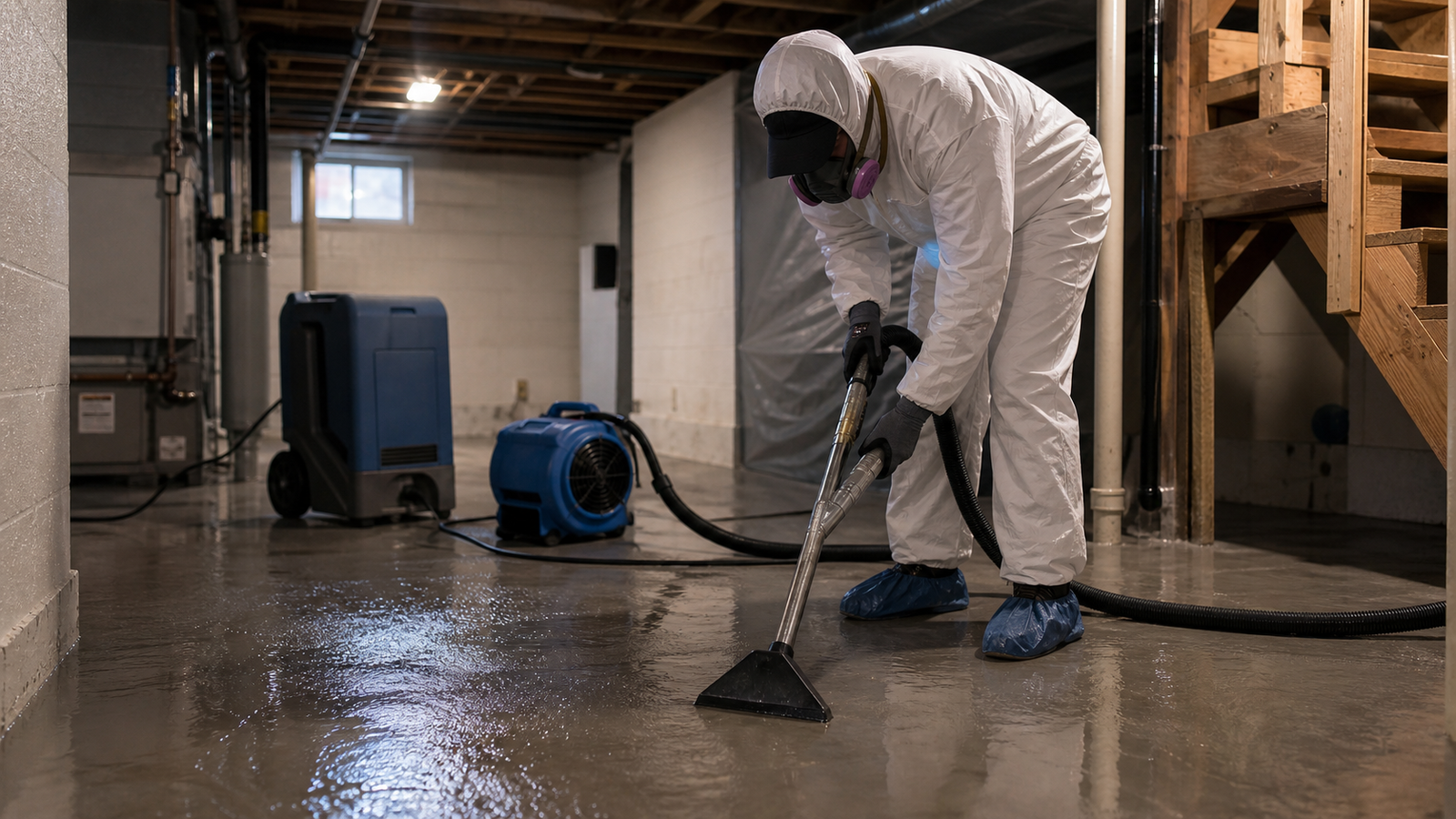
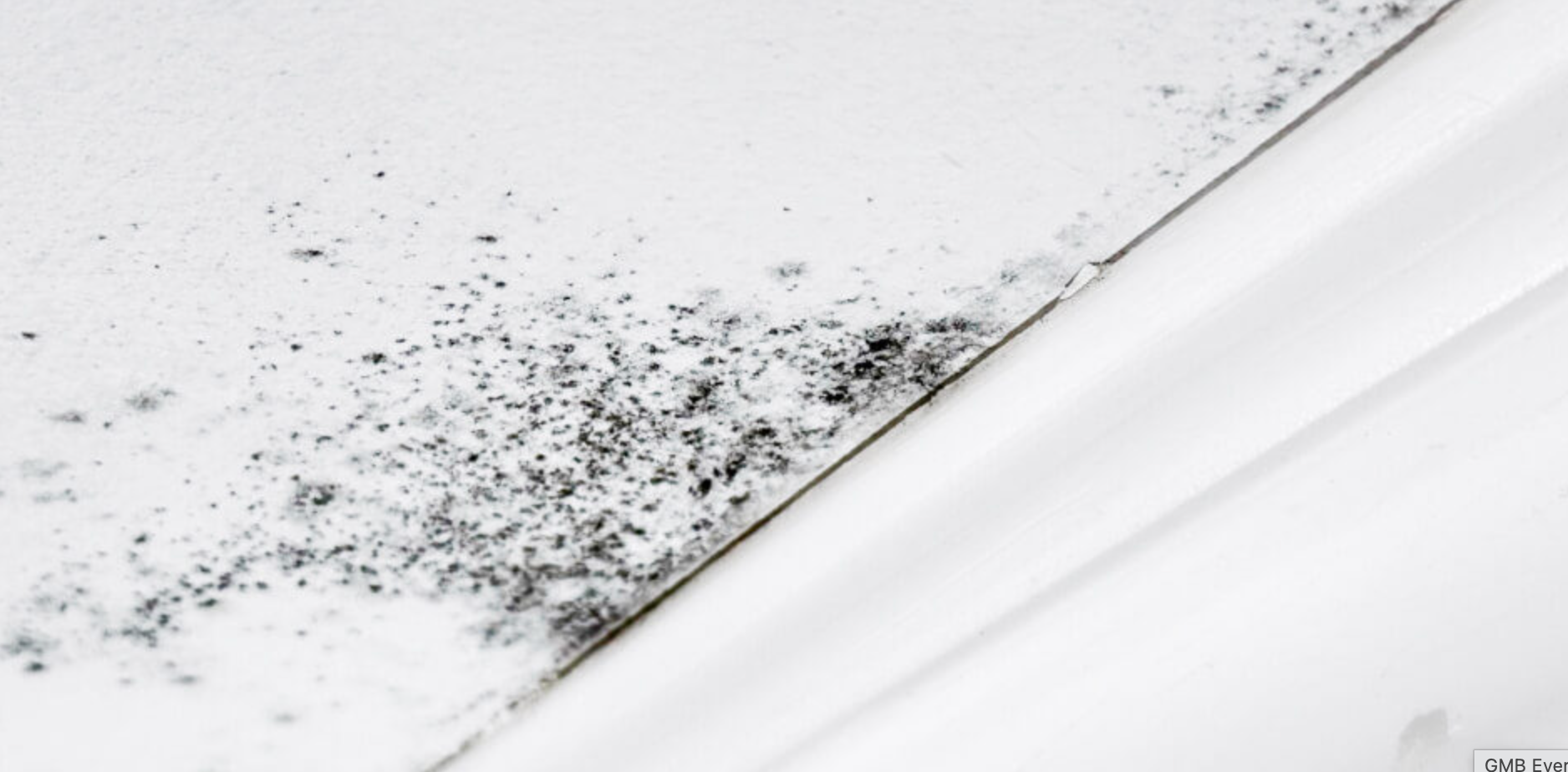
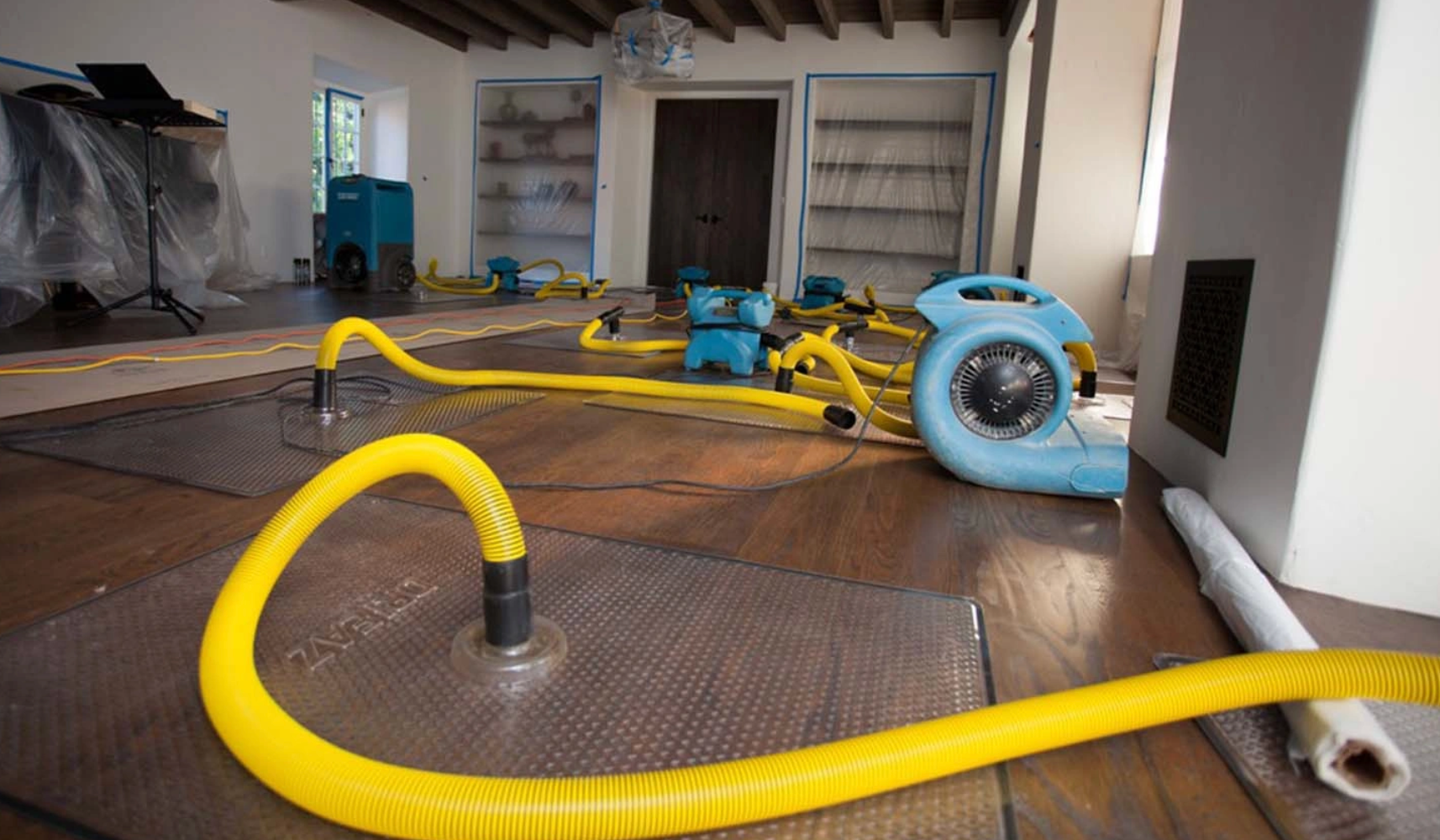
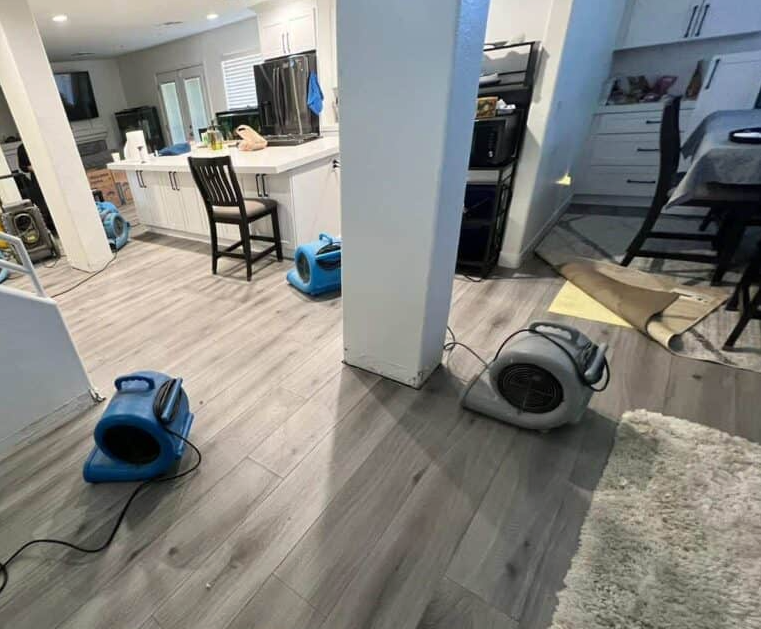
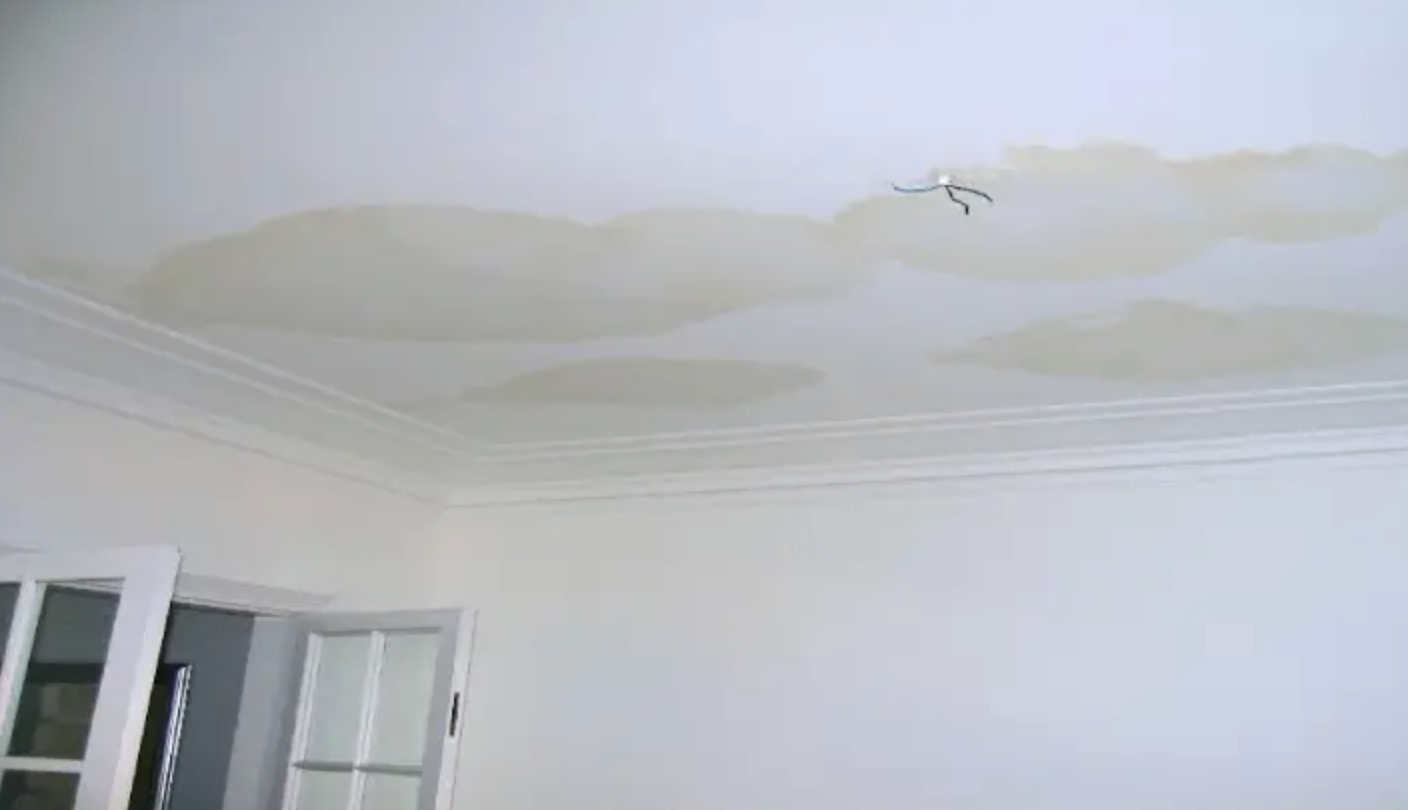
If your home has had a water damage event — appliance failure, pipe burst, storm flooding, or even an extended HVAC condensate pan overflow — that involved the air handler or adjacent areas, duct cleaning should be part of the restoration scope.
Mold that establishes in the air handler cabinet, on the evaporator coil, or in the first sections of ductwork will be distributed throughout the system every time the fan runs. Cleaning the visible damage without addressing the ductwork leaves a biological contamination source in your air supply.
5. Following Pest Activity in the System
Dead rodents in ductwork, insect nesting material, and pest debris are not uncommon in DFW homes — particularly in the flex ductwork sections that run through attic spaces and can be accessed through degraded boots and disconnected joints.
If you've had confirmed pest activity in the HVAC system, or if you've noticed a decomposing-animal odor that intensifies when the HVAC runs, professional duct cleaning and inspection is warranted.
6. After New Construction or Major Renovation
Construction creates extraordinary amounts of drywall dust, insulation fibers, wood particles, and general debris. If the HVAC was running during renovation — even intermittently — significant material has accumulated in the ductwork. This is true even if dust covers were placed on vents: fine particles pass through standard filters and settle throughout the duct system.
New home buyers often discover that the previous owners renovated without duct cleaning. This is worth asking about before closing, and worth addressing early in homeownership.
7. When You're Moving Into a Home With Unknown HVAC History
If you're buying a home and can't confirm when the ducts were last cleaned, or if the previous occupants had pets, smokers, or known mold issues — cleaning on arrival establishes a known baseline and addresses whatever was left behind.
The DFW Factor: Why North Texas Ducts Accumulate Faster
Several regional conditions make duct cleaning more relevant in the Dallas–Fort Worth area than the national average guidance suggests:
Attic ductwork in extreme heat
Most DFW homes route HVAC ductwork through unconditioned attic spaces that regularly exceed 130°F in summer. This extreme heat environment degrades flex duct insulation and duct board faster than temperate climates, creates condensation at duct surfaces when cooler air passes through during shoulder seasons, and can accelerate biological growth in the system.
One of the highest pollen regions in the country
DFW's pollen season is long (essentially February through November) and involves multiple species: mountain cedar in winter/spring, oak and elm in spring, grass in summer, ragweed in fall. Even with standard filtration, fine pollen particles accumulate in duct systems and contribute to indoor air quality issues.
Year-round HVAC demand
DFW averages roughly 2,800 to 3,200 cooling degree days per year — among the highest in the continental US. A system that runs 10 to 11 months per year accumulates debris faster than one in a milder climate. The 3-to-5-year cleaning interval was developed for average conditions; in DFW, leaning toward 3 years is appropriate.
Clay soil and foundation movement
Expansive clay soils in North Texas cause slab movement that can stress and disconnect flex duct boots from floor registers. Disconnected sections accumulate debris in the gap and draw attic air (with dust, insulation fibers, and potentially pest debris) into the duct system.
What Professional Air Duct Cleaning Actually Does
It's worth understanding what a professional cleaning involves — because the service varies significantly by provider, and some offer services that don't meet the standard.
NADCA standard cleaning involves:
- Camera inspection of accessible duct sections to identify problem areas before cleaning
- Negative pressure containment — the system is put under vacuum to prevent debris from entering living spaces during cleaning
- Mechanical agitation (brushes, compressed air whips) throughout all accessible duct sections
- Cleaning of the air handler cabinet, evaporator coil, blower wheel, and drip pan
- Disinfection or antimicrobial treatment as indicated by contamination type
What it does not include (in most cases): repairs to damaged duct sections, disconnected boots, or degraded insulation. If a professional inspection identifies damaged ductwork, that's a separate repair scope — but knowing that damage exists is valuable information.
How Long Does Air Duct Cleaning Take?
For a standard DFW home (1,500 to 3,000 sq ft, single HVAC system), professional duct cleaning typically takes 3 to 5 hours. Multi-system homes and larger square footage extend that time. You should be home for the service so the technician can access all vents and registers.
What About HVAC Filter Changes vs. Duct Cleaning?
Regular filter replacement (1" filters every 30 to 60 days; 4" media filters every 6 to 12 months) is the primary maintenance that prevents excessive duct accumulation. A home with consistently maintained filtration will have cleaner ductwork and require less frequent deep cleaning.
That said, filters don't eliminate the need for periodic cleaning — they reduce accumulation rate. And they do nothing for contamination that entered the system before filtration was in place.
United Cleaning & Emergency Restoration
Family-owned since 1979, United Cleaning provides IICRC-certified air duct and HVAC cleaning services across the DFW Metroplex. We use NADCA-standard negative-pressure equipment and camera inspection to make sure the job is actually done — not just claimed.
We also coordinate duct cleaning as part of water damage and mold remediation scopes when the HVAC system has been involved. If you're not sure whether your system needs cleaning, we'll inspect it and give you a straight answer.
Call 817-268-6531 or visit us at 108 Holder Dr, Hurst TX 76053. Serving Hurst, Euless, Bedford, Colleyville, Grapevine, and the broader DFW area.