What to Do First When You Discover Water Damage at Home
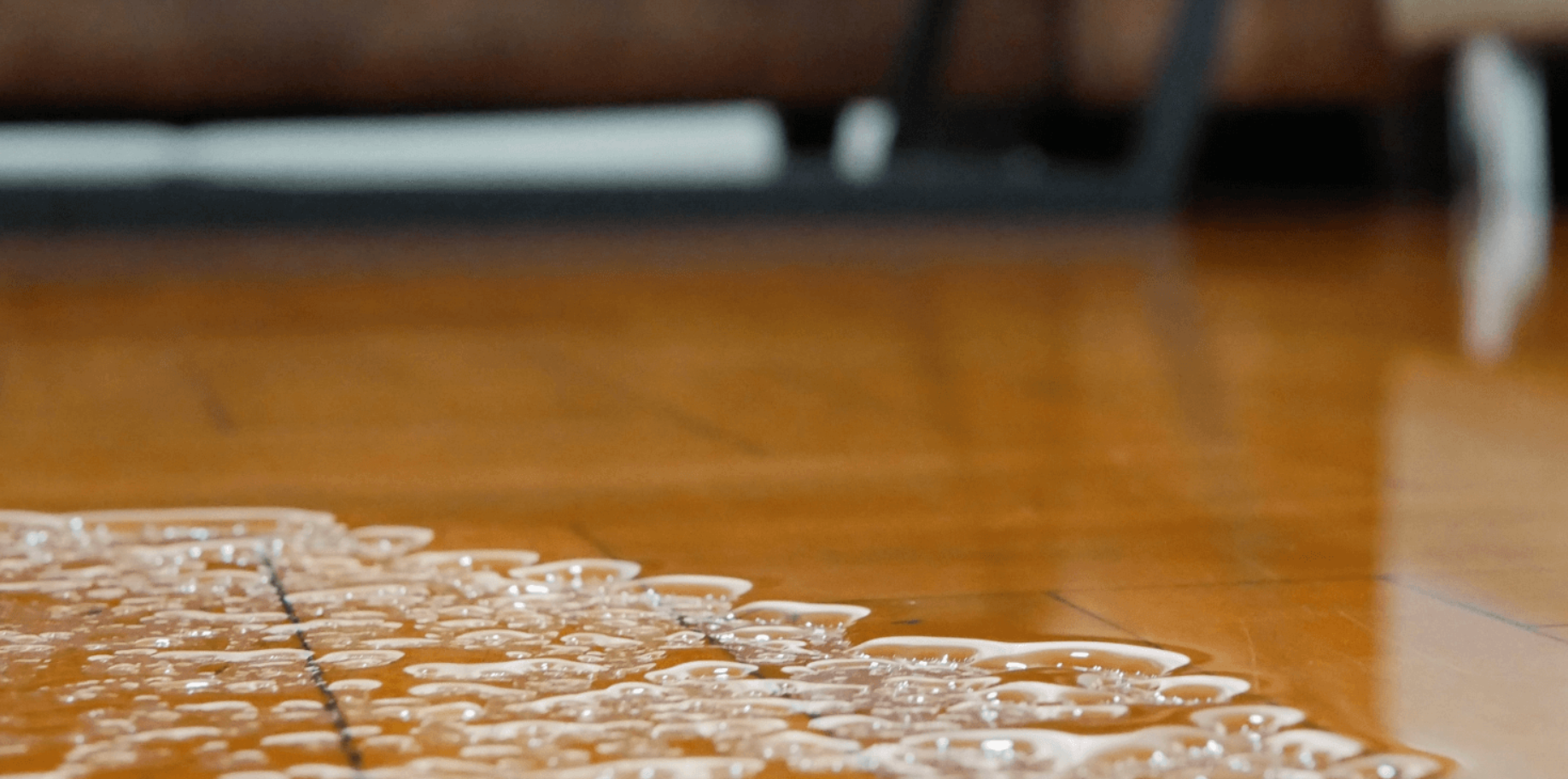
When you discover water damage at home, stop the water source immediately if it's safe to do so, then call a certified water damage restoration company within the hour - water spreads fast through walls, floors, and insulation, and mold can begin developing within 24 to 48 hours, making your response in the first hour more consequential than anything that happens afterward.
Whether it's 2 a.m. and a pipe just burst in your Hurst home, or you've come back from a weekend away to find a water heater leak has saturated your Fort Worth utility room, the steps you take in the first 30 minutes matter more than most homeowners realize. This is the sequence that protects your property, your health, and your insurance claim.
Step 1: Stop the Water Source
Before anything else, eliminate the source if you can do it safely.
- Burst or broken pipe: Shut off the main water supply valve. In most Tarrant County homes, this is located where the water line enters the structure - often near the water heater, under a sink, or in a utility closet. Turn it clockwise until it stops. Then open a cold-water faucet elsewhere in the house to drain the pressure from the lines.
- Appliance overflow: Turn off the appliance and, if the supply line is accessible, shut off the valve behind or beneath the appliance.
- Roof or storm leak: You can't stop rain, but you can limit interior damage - move valuables away from the affected area and place containers under active drips.
- AC condensate overflow: Turn off your HVAC system at the thermostat to stop the unit from continuing to produce condensate water into an already full or clogged drain.
Know where your main water shut-off valve is before you ever need it. In a water emergency, a homeowner who can shut off the main in 60 seconds prevents a dramatically different level of damage than one who spends 20 minutes searching for it.
Step 2: Assess for Safety - Before You Enter
Water and electricity are a fatal combination. Before walking into a flooded room:
- Check for electrical hazards. If standing water is near outlets, electrical panels, or appliances, do not enter until the power is confirmed off. If you're not sure, shut off the breaker for the affected area at your electrical panel.
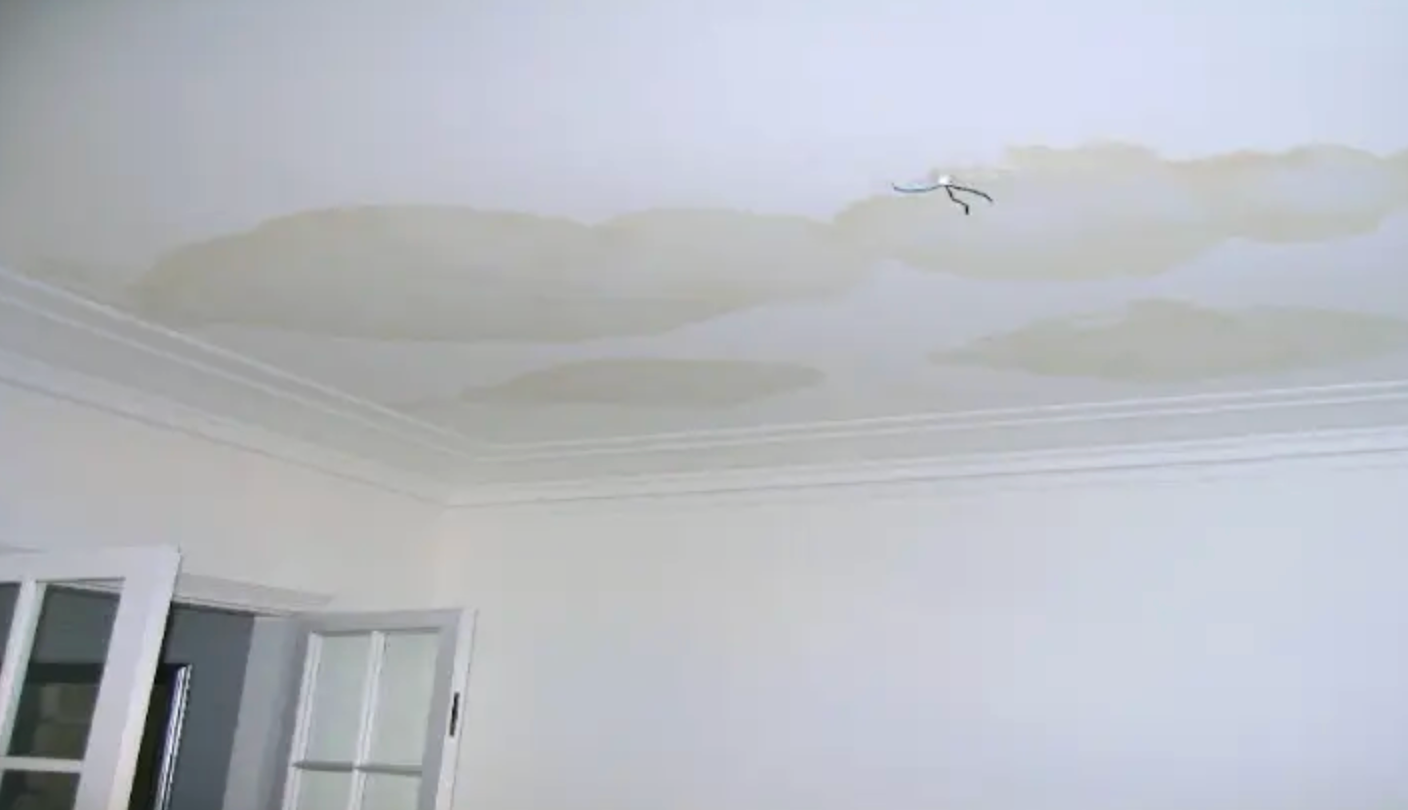
- Check the ceiling. A ceiling bulging downward with trapped water can collapse suddenly. If you see a significant bulge, carefully puncture it with a screwdriver in a controlled location over a bucket to release the water in a controlled way - before it comes down on its own.
- Avoid sewage-contaminated water. If the source is a sewage backup or the water appears dark or has an odor, treat it as biohazardous - do not wade through it without protective gear, and limit exposure as much as possible until professionals arrive.
Step 3: Document Everything - Before You Clean Up
This step is where homeowners most often make a costly mistake. The impulse to start mopping and moving things is understandable - but once you start cleanup, the documentation of the original damage condition is gone.
Take photos and video of:
- The water level in every affected room
- The source of the water if visible (the broken pipe, the overflowing appliance, the leak point)
- All affected walls, floors, and ceilings
- Every item of damaged personal property - furniture, electronics, clothing, boxes
This documentation is the foundation of your insurance claim. A claim without photos is a claim at the insurer's mercy. A claim with thorough photos and video, timestamped from within the hour of discovery, gives your adjuster exactly what they need to process quickly.
Step 4: Call a Restoration Company - Not Just a Plumber
A plumber stops the water. A restoration company addresses everything the water did after it escaped. These are two separate problems that often need to happen simultaneously, not sequentially.
Why calling a restoration company immediately matters:
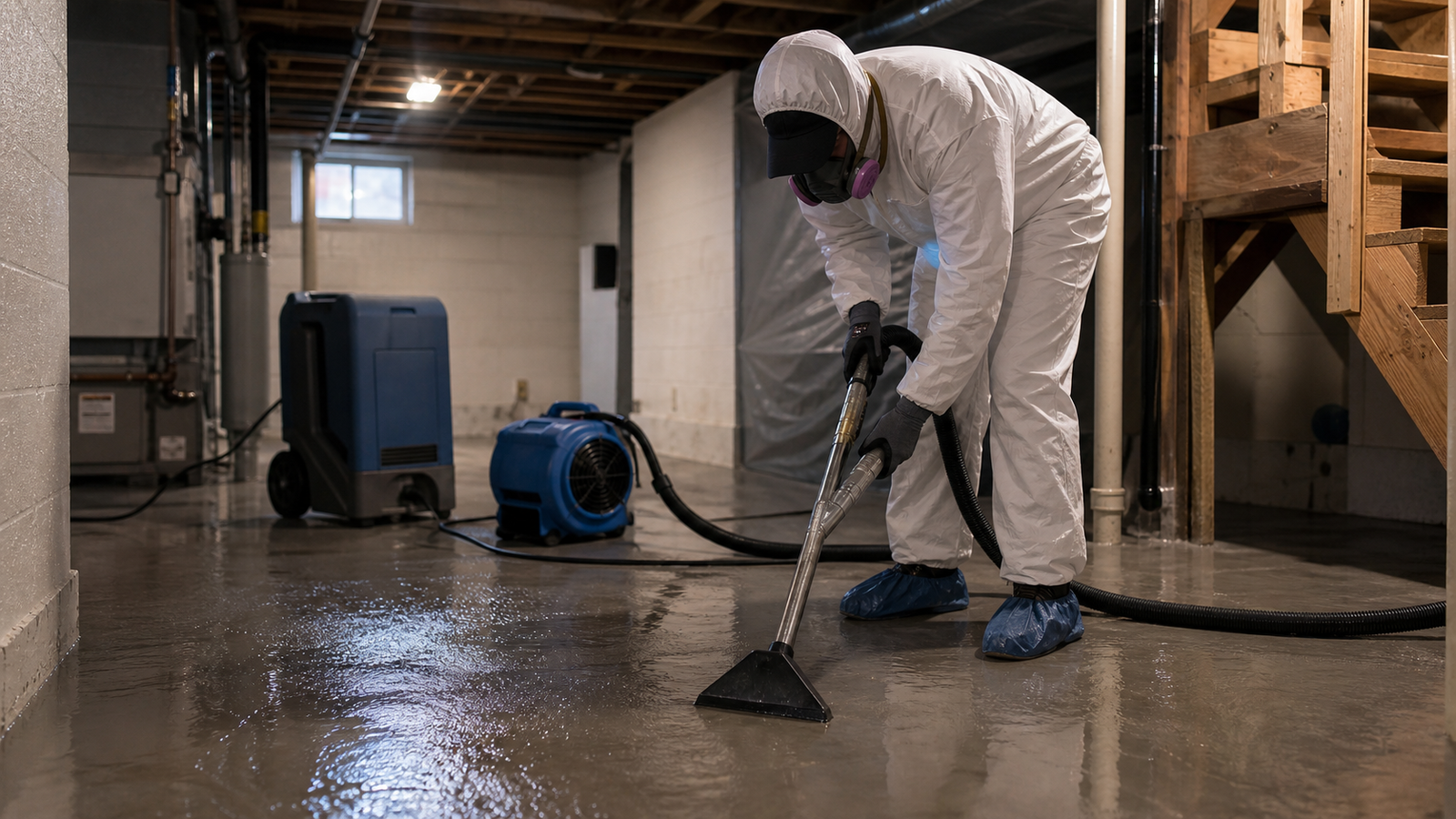
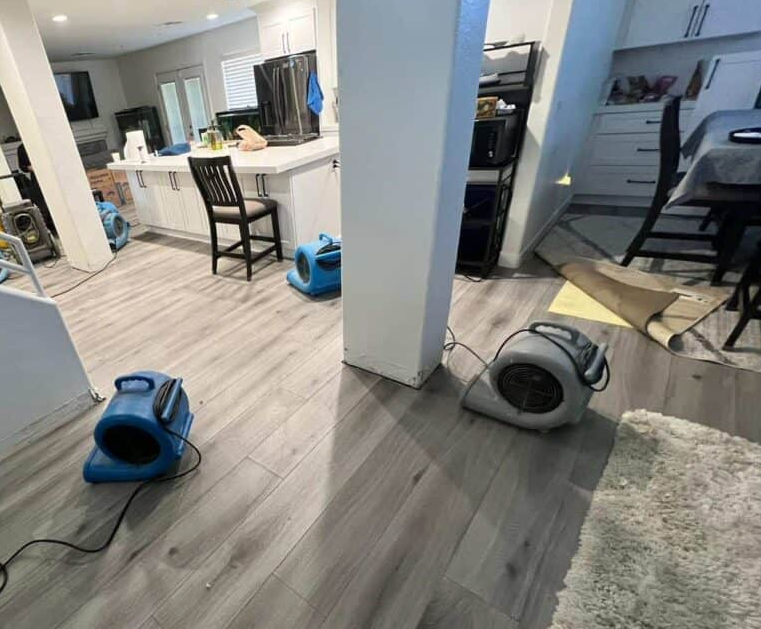
- Industrial extraction vs. household tools. A wet-dry vacuum holds a few gallons. A truck-mounted extraction unit can remove thousands of gallons from a structure. For anything beyond a minor spill, professional extraction equipment is the only way to remove water fast enough to matter.
- Hidden moisture. Water travels far beyond what's visible - through drywall, along structural framing, under flooring, into insulation. Professional moisture meters and thermal imaging identify affected areas that look dry but aren't. Leaving hidden moisture behind is how water damage becomes a mold remediation project.
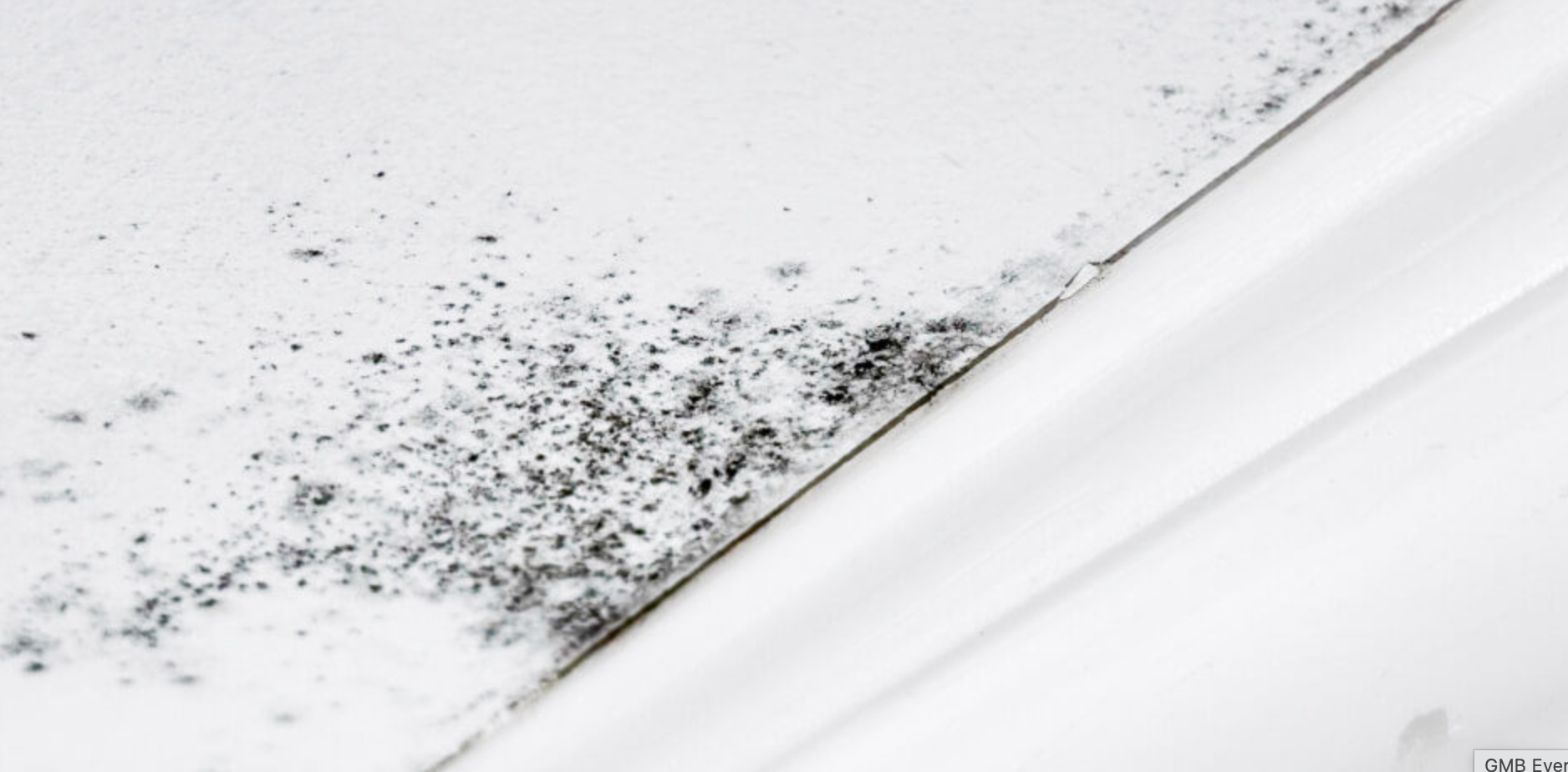
- The 24-to-48-hour mold window. In a DFW home during the warmer months, mold can begin visibly growing within 24 hours of a water event. Getting structural drying started fast is the most effective mold prevention available.
United Cleaning & Restoration has been responding to water emergencies across Tarrant County since 1979. Our 24/7 emergency response reaches homes throughout Hurst, Fort Worth, Arlington, Bedford, Euless, North Richland Hills, Haltom City, Watauga, Colleyville, and surrounding communities. Call (817) 268-6531 the moment you discover water damage - day, night, weekend, or holiday.
Step 5: Call Your Insurance Company
Open your claim as soon as you've called a restoration company - ideally the same day, and always within 24 hours of discovering the damage. Under Texas Insurance Code Chapter 542, your insurer's response clock starts when you notify them, and Texas law requires timely acknowledgment and action on your claim.
When you call, have ready:
- Your policy number
- The date and approximate time the damage was discovered
- A brief description of the source and affected areas
- Confirmation that you have called a restoration company and that emergency mitigation is underway
Note: beginning emergency mitigation - water extraction, drying equipment placement - does not void your insurance claim. In fact, most Texas policies require policyholders to take reasonable steps to prevent further damage. Your insurer will document existing damage, and a professional restoration company's drying logs and moisture readings will support your claim.
What NOT to Do After Water Damage
- Don't use a household fan as your only drying method. A box fan moves surface air. It does nothing for moisture inside walls, under flooring, or in insulation - which is where mold develops. Surface-dry walls with wet insulation behind them are one of the most common causes of post-damage mold problems.
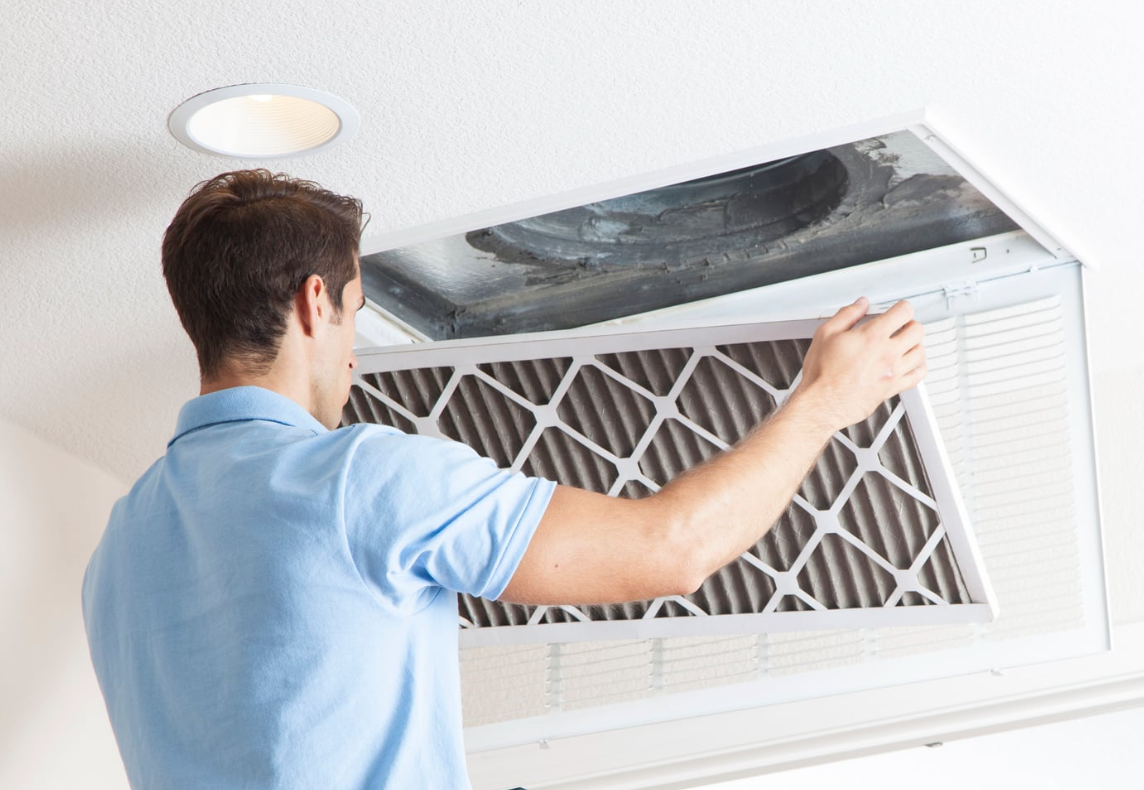
- Don't run your HVAC system to dry things out. If water has affected your ductwork or air handling equipment, running the system circulates contaminated air and can spread mold spores throughout the home. Have the HVAC assessed before running it after a significant water event.
- Don't wait for the adjuster to start extraction. Water that sits for 48-72 hours while you wait for an adjuster visit has already caused secondary damage - softening drywall, warping wood, beginning mold growth - that may not be fully covered because it was avoidable.
- Don't discard damaged items before documentation. Even items you plan to throw away should be photographed and listed for your contents claim before removal.
When the Water Came From a Storm
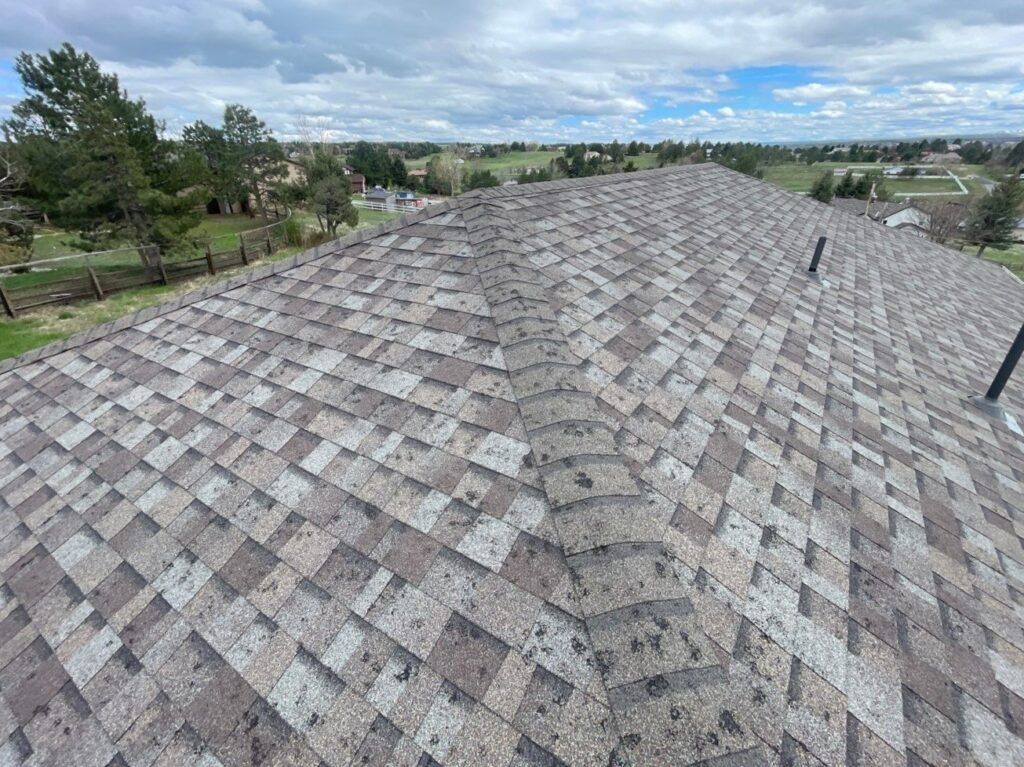
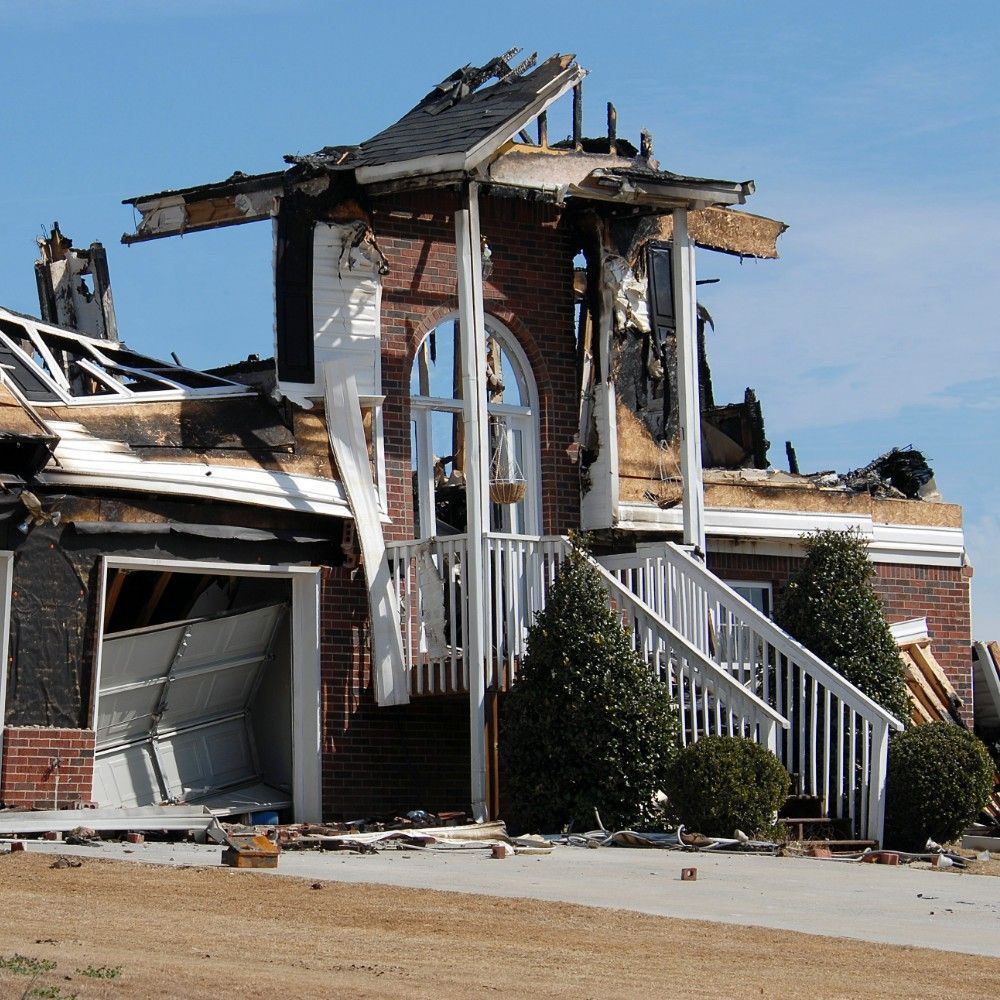
Tarrant County's severe weather season - spring and summer thunderstorms, hailstorms, and the occasional tornado - produces a significant share of water damage claims in the area. Storm-related water damage involving roof damage, window failure, or structural breaches may involve both your homeowners and wind/hail coverage.
In these situations, the same sequence applies - stop further entry where possible (emergency tarping and board-up), document thoroughly, and call a restoration company to begin extraction and drying while your claim is being processed. Our storm damage restoration team handles both the water damage and the documentation needed for storm-related claims across Tarrant County.
United Cleaning & Restoration: Fast Response Across Tarrant County
When water damage hits, the question isn't whether to call a professional - it's how fast. United Cleaning & Restoration has served Tarrant County homeowners for over 45 years. Our IICRC-certified team arrives quickly, extracts water with industrial equipment, begins structural drying, monitors moisture levels until completion, and handles the insurance documentation so you can focus on your family.
Call (817) 268-6531 now - or learn more about our water damage restoration services. We serve Hurst, Fort Worth, Arlington, Bedford, Euless, NRH, Haltom City, Watauga, Colleyville, Keller, Mansfield, Saginaw, and all of Tarrant County, 24/7/365.